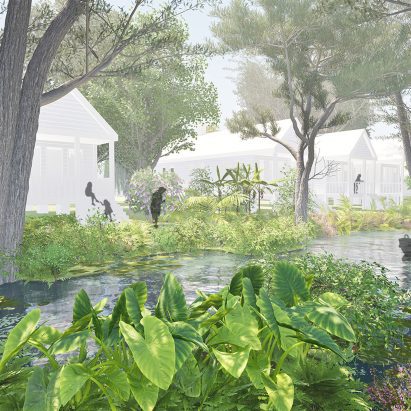
A student project from Tulane University's School of Architecture and Built Environment is making waves by proposing a native wetland ecosystem design to combat flooding in a vulnerable New Orleans neighborhood. This initiative is part of a broader showcase featuring innovative solutions, including a permanent scaffolding system for New York City and communal spaces for Rohingya refugee camps in Bangladesh.
What Happened
Tulane University students have developed a forward-thinking project to address the flooding challenges in New Orleans, a city perpetually at risk due to its geography. This project focuses on creating a native wetland ecosystem, which not only aims to manage floodwaters but also enhances the local biodiversity. The initiative is part of a portfolio of student work from the Tulane School of Architecture and Built Environment, which also includes a novel approach to urban scaffolding in New York City and community-oriented designs for refugee camps in Bangladesh.
What This Means for Your Business
For US operators in the architecture, engineering, and construction management (AECM) sectors, Tulane's student-led project highlights the growing trend towards sustainable and resilient infrastructure solutions. The integration of native ecosystems into urban planning offers a dual benefit of environmental protection and flood mitigation, which can be pivotal for urban developers and city planners. Such projects can attract federal funding focused on climate resilience and sustainable urban development, presenting lucrative opportunities for businesses aligned with these goals. Moreover, enterprises involved in government contracting can leverage these innovative approaches to enhance their competitive positioning by adopting similar sustainable practices.
What US Operators Should Watch
AECM professionals should monitor federal initiatives and funding opportunities related to climate adaptation and urban resilience, as these areas are likely to gain increased attention. The Biden administration's infrastructure plans and environmental policies could provide additional grant opportunities and incentives for projects that incorporate sustainable design principles like those demonstrated by Tulane's students. Additionally, keeping an eye on urban planning regulations and compliance requirements related to sustainability and environmental impact will be crucial for maintaining a competitive edge in the industry.
Source: https://www.dezeen.com/2026/06/25/tulane-university-schoolshow/
Is your firm ready for what’s next?
VisioneerIT helps AECM and government contractors modernize operations, achieve compliance, and implement AI.
Explore VisioneerIT Solutions →Tracking the right federal opportunities?
OryonIQ's AI platform monitors agency forecasts, contract awards, and procurement timelines — so government contractors always know what’s coming next.
Try OryonIQ Free →