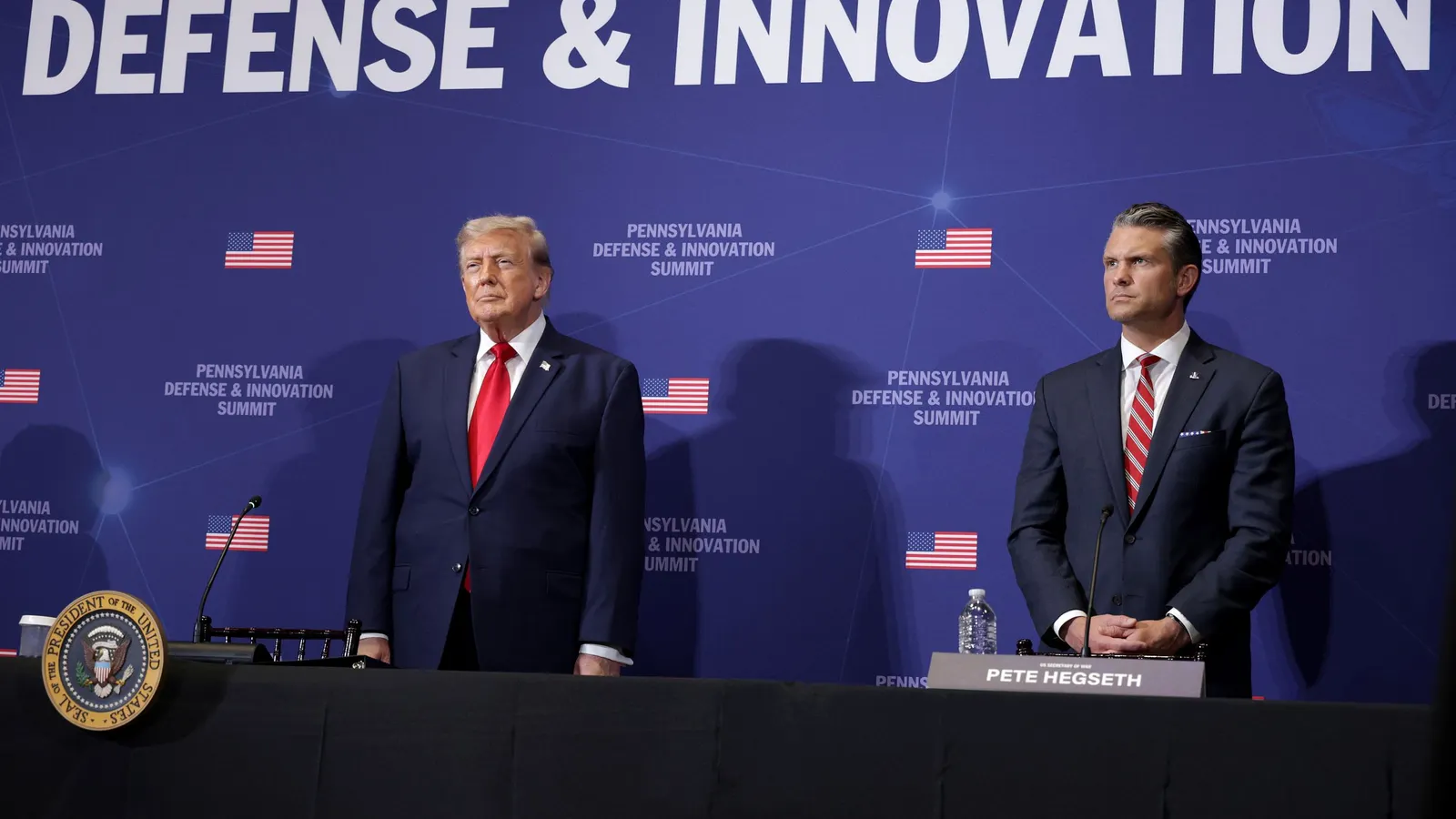
The Trump administration has announced new restrictions on supply chain waivers for the U.S. defense industrial base, emphasizing the need for domestic production of military equipment and sourcing critical minerals and components from allied nations. This move comes as part of a broader strategy to bolster national security and reduce dependency on foreign suppliers.
What Happened
The administration's latest policy adjustment targets defense contractors, urging them to prioritize domestic manufacturing capabilities. President Trump has accused these contractors of neglecting the production of military equipment within the United States, which he argues is essential for maintaining the country's defense readiness. The directive also insists that critical minerals and components be sourced from nations considered allies, further tightening the supply chain.
This policy shift aligns with the administration's ongoing focus on strengthening the U.S. defense industrial base against potential global disruptions. By limiting waivers that allow for foreign sourcing, the government aims to ensure that the supply chains for defense materials are secure and resilient. The administration's stance reflects growing concerns over the reliance on non-allied nations for critical materials, especially in light of geopolitical tensions.
What This Means for Your Business
For AECM firms and government contractors, this policy change signifies a critical pivot in procurement strategies. Companies in the defense sector will need to reassess their supply chains to comply with the new emphasis on domestic and allied sourcing. This could mean renegotiating supplier agreements, investing in local manufacturing capabilities, or exploring partnerships with companies in allied countries.
The focus on domestic production and allied sourcing may open up new federal funding opportunities for companies able to adapt quickly. Firms that can demonstrate compliance with these requirements may find themselves in a favorable position when bidding for defense contracts. However, the transition may also involve upfront costs related to supply chain restructuring and compliance with new regulations, impacting ROI in the short term.
What US Operators Should Watch
Defense contractors and associated industries should closely monitor upcoming federal procurement windows and any additional guidelines that may clarify the scope of these restrictions. Staying informed about deadlines for compliance and potential audits related to supply chain practices will be crucial. Companies should also watch for further announcements regarding funding initiatives aimed at supporting domestic manufacturing and allied partnerships.
Source: Manufacturing Dive. Read the original story ->
Partner Insight · VisioneerIT
The recent policy changes in the defense sector highlight the importance of compliance and strategic partnerships for companies looking to secure government contracts. VisioneerIT offers expertise in navigating federal procurement processes, ensuring that firms can effectively adapt to new regulations and enhance their competitiveness.
Explore VisioneerIT Cybersecurity →
Is your firm ready for what’s next?
VisioneerIT helps AECM and government contractors modernize operations, achieve compliance, and implement AI.
Explore VisioneerIT Solutions →