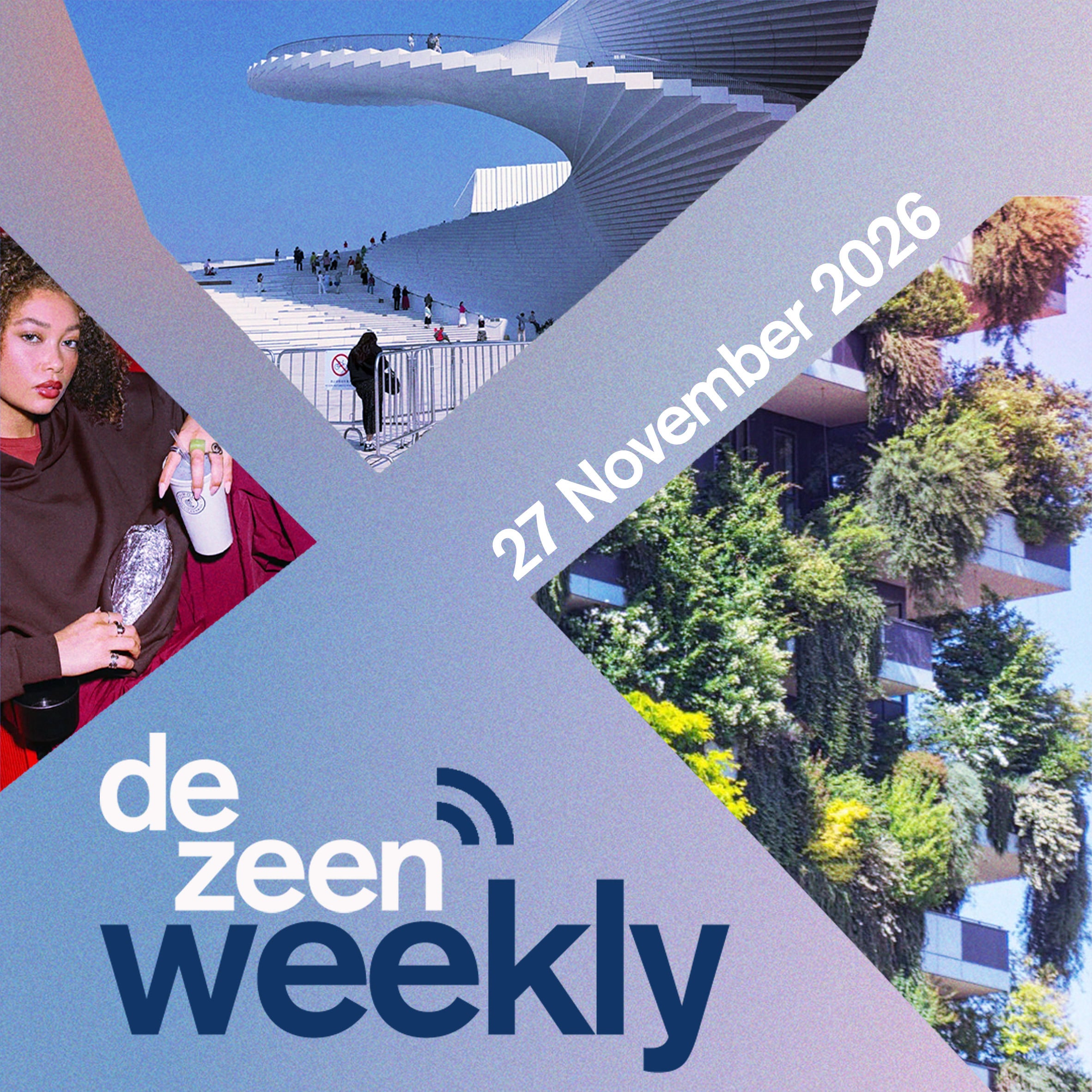
The integration of trees into building designs is gaining traction, sparking debate among architects and developers. This trend, exemplified by high-profile projects like Snøhetta's Shanghai Grand Opera House, is reshaping urban landscapes and challenging traditional architectural practices.
What Happened
In recent years, the concept of incorporating trees and greenery into building designs has moved from niche to mainstream. Projects such as Stefano Boeri's Bosco Verticale in Milan have demonstrated the aesthetic and environmental benefits of urban forests. The Shanghai Grand Opera House, designed by Snøhetta, is the latest in a series of architectural endeavors embracing this trend. These projects are not merely about aesthetics; they aim to tackle urban heat, improve air quality, and enhance biodiversity within cities.
What This Means for Your Business
For US AECM professionals, this movement signifies a shift in the market's expectations for sustainable and innovative design. Developers and architects should consider the implications of integrating greenery into their projects, as this can enhance building value and attract environmentally conscious tenants. Compliance with sustainability standards, such as LEED or BREEAM, could become increasingly important as cities implement stricter environmental regulations. Understanding these trends offers a competitive edge, as clients increasingly demand designs that contribute to urban sustainability.
What US Operators Should Watch
Decision-makers should monitor regulatory changes and incentives related to green architecture. In particular, keep an eye on potential federal and state tax incentives for sustainable building practices. Additionally, staying informed about advancements in materials and technologies that support vertical gardening and green facades can position firms at the forefront of this growing trend. As cities continue to grow, integrating nature into urban environments will likely become a critical component of future architectural projects.
Source: https://www.dezeen.com/2026/11/27/trees-on-buildings-chipotle-hoodie-shanghai-opera-house-dezeen-weekly/. Read the original story ->
Is your firm ready for what’s next?
VisioneerIT helps AECM and government contractors modernize operations, achieve compliance, and implement AI.
Explore VisioneerIT Solutions →