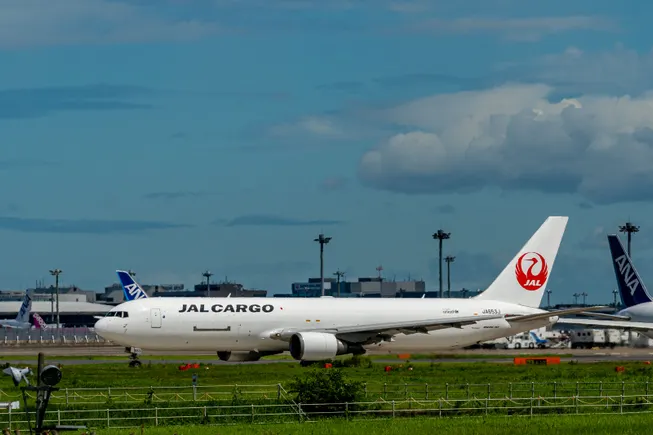
Nippon Express Holdings and Japan Airlines have launched a new Transpacific air freight service to meet the growing demand for AI and semiconductor cargo. This weekly service connects Los Angeles with key Asian hubs, underscoring the increasing importance of technology-driven logistics in global supply chains.
What Happened
Nippon Express and Japan Airlines announced the commencement of their new air cargo route on October 1, 2026, aimed at transporting AI and semiconductor-related cargo between North America and Asia. The service, which began flights on October 3, operates a Boeing 747F freighter with a maximum payload capacity of 100 tons. The route starts in Los Angeles and includes stops at Narita, Taiwan, and Singapore, operating weekly throughout 2026. Although the schedule for 2027 is yet to be announced, both companies have indicated plans for further network expansion. This venture seeks to provide stable and flexible air transport for oversized and high-value cargo, such as server racks and data center equipment, which are increasingly in demand due to advancements in generative AI and digital infrastructure.
What This Means for Your Business
For businesses in the AECM sector, this development signifies a critical shift in the logistics landscape, emphasizing the need for robust supply chain strategies that accommodate the growing volume of technology-related shipments. The introduction of this service offers more predictable and efficient transport options for companies relying on AI and semiconductor components, which are pivotal in manufacturing and construction technology. The increased capacity and flexibility can potentially reduce lead times and improve inventory management, enhancing competitive positioning. Furthermore, the focus on high-value cargo aligns with the trend towards digital transformation and could signal new procurement opportunities for businesses looking to upgrade their technological infrastructure.
What US Operators Should Watch
Decision-makers should keep an eye on potential expansions of this service beyond 2026, as well as any shifts in demand patterns that could affect logistics planning. Staying informed about the evolving air cargo landscape, particularly in the context of AI and semiconductor requirements, will be crucial. Additionally, operators should monitor any regulatory changes or compliance requirements related to international air freight that could impact operations. As the service matures, there may also be opportunities to engage with Nippon Express and Japan Airlines for customized logistics solutions tailored to specific business needs.
Source: https://www.supplychaindive.com/news/ai-driven-cargo-bump-sparks-transpacific-air-freight-service/832399/. Read the original story ->
Is your firm ready for what’s next?
VisioneerIT helps AECM and government contractors modernize operations, achieve compliance, and implement AI.
Explore VisioneerIT Solutions →