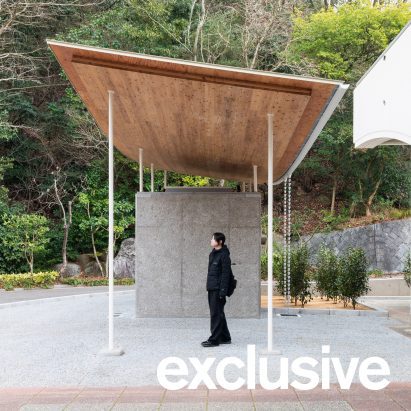
A striking new architectural addition graces the entrance of the Tobe Zoological Park in Ehime Prefecture, Japan. Yano Aoyama Architecture Design has unveiled a pair of architecturally significant public toilets, distinguished by a sweeping timber canopy that blends aesthetics with functionality. This project replaces outdated facilities with a modern, fully accessible design, exemplifying a shift towards sustainable and thoughtful public architecture.
What Happened
The Tobe Zoological Park, a popular destination in Ehime Prefecture, recently completed an upgrade to its public amenities with the help of Yano Aoyama Architecture Design. The practice designed two chiselled concrete blocks adorned with a naturally curved cedar roof, offering a sleek and environmentally conscious solution to the park's previous restroom facilities. This renovation not only meets accessibility standards but also enhances the park's entryway with its innovative use of materials and form. The use of locally sourced cedar underscores a commitment to sustainability and aligns with global trends in eco-friendly construction.
What This Means for Your Business
The Yano Aoyama project highlights a growing trend towards integrating sustainability with public infrastructure design. For companies in the AECM industry, this serves as a compelling case study in leveraging natural materials for both aesthetic appeal and environmental responsibility. As global standards and consumer expectations shift towards sustainable practices, incorporating such elements can enhance competitive positioning and potentially reduce long-term costs through energy efficiency and reduced material waste. Furthermore, projects like this can inspire similar approaches in federal and state-funded projects in the U.S., where emphasis on green building practices is increasing. For contractors, architects, and engineers, adopting these strategies could open doors to new opportunities in both public and private sector projects.
What US Operators Should Watch
AECM professionals should monitor developments in sustainable building materials and design practices that emphasize accessibility and eco-friendliness. The demand for green architecture is poised to grow as governments and private sectors prioritize sustainability. Keeping abreast of innovations like those demonstrated by Yano Aoyama can provide a competitive edge. Additionally, U.S. operators should be aware of evolving regulations and standards that support sustainable construction, such as the U.S. Green Building Council’s LEED certification and federal mandates for energy-efficient public buildings.
Source: https://www.dezeen.com/2026/07/25/yano-aoyama-architecture-design-tobe-zoo-toilet/. Read the original story ->
Is your firm ready for what’s next?
VisioneerIT helps AECM and government contractors modernize operations, achieve compliance, and implement AI.
Explore VisioneerIT Solutions →