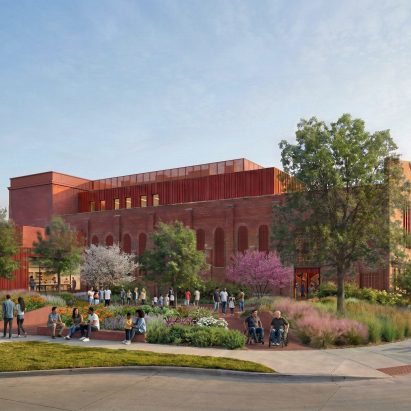
A groundbreaking architectural transformation is set to take place in Fort Worth, Texas, where a 1920s building, formerly used by the Ku Klux Klan, will be converted into a vibrant arts centre. This initiative, led by Studio Barnes and Ch_studio, aims to repurpose the 35,000-square-foot structure into a space that fosters community engagement and cultural restoration. The project underscores a significant shift in the building's narrative, transforming a symbol of exclusion into one of inclusivity and creativity.
What Happened
The project involves a comprehensive redesign of the historic building located between Fort Worth's Historic Northside and downtown area. Originally constructed in the 1920s, the building once served as a meeting place for the white supremacist group, the Ku Klux Klan. The new design, revealed by Studio Barnes and Ch_studio, aims to erase the building's divisive history by converting it into a hub for arts and community activities. The architectural plans focus on creating spaces that encourage interaction, learning, and artistic expression, turning a dark chapter of history into a beacon of hope and unity.
What This Means for Your Business
For professionals in the architecture, engineering, and construction sectors, this project highlights the growing trend towards adaptive reuse of historic buildings. By transforming a structure with a controversial past into a community asset, the project exemplifies how architecture can play a vital role in healing and community building. This initiative may set a precedent for similar projects, offering opportunities for firms specializing in historic preservation and community-focused design. Additionally, the project could attract federal and state funding aimed at revitalizing urban areas, presenting lucrative prospects for contractors and developers.
What US Operators Should Watch
Industry stakeholders should keep an eye on the project's development timeline and potential funding opportunities. As urban areas continue to seek innovative ways to repurpose historic structures, similar projects may emerge, requiring expertise in sustainable construction and community engagement. Furthermore, monitoring regulatory changes related to historic preservation and adaptive reuse could provide strategic advantages in bidding for future projects. This transformation also underscores the importance of aligning architectural endeavors with broader social and cultural goals, a trend likely to influence future procurement and design strategies.
---
Source: https://www.dezeen.com/2026/08/20/studio-barnes-ch-studio-convert-kkk-building-arts-centre-fort-worth/. Read the original story ->
Is your firm ready for what’s next?
VisioneerIT helps AECM and government contractors modernize operations, achieve compliance, and implement AI.
Explore VisioneerIT Solutions →