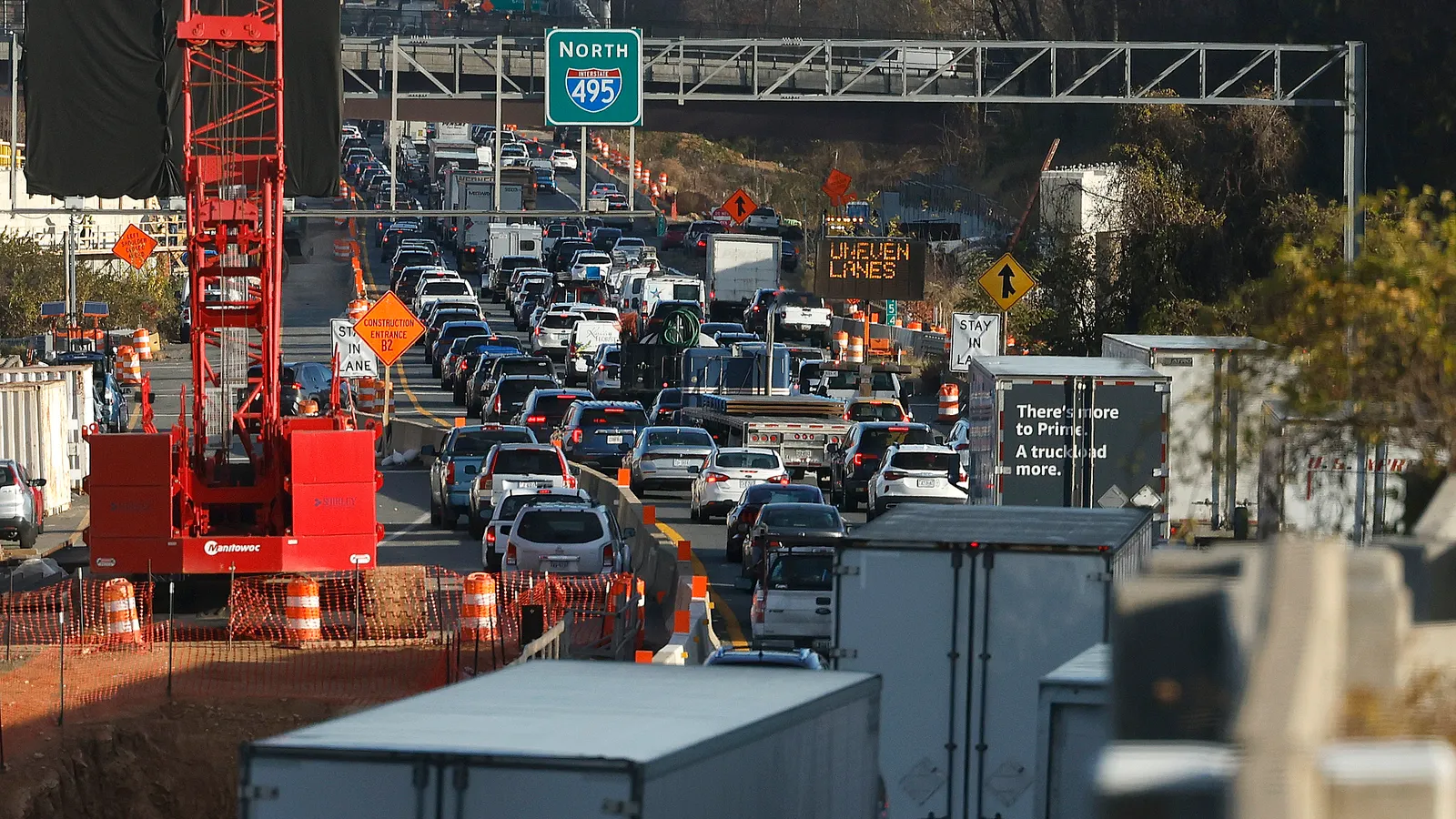
Texas A&M University's latest initiative aims to leverage artificial intelligence to reduce the incidence of 'struck-by' accidents in road work zones. This move is crucial as construction sites remain one of the most hazardous environments, with struck-bys being a leading cause of fatalities.
What Happened
Texas A&M University is spearheading a project that integrates AI technology into safety protocols for road construction zones. Assistant Professor Namgyun Kim from the Department of Construction Science emphasized that VR and AI-based safety training are no longer experimental but essential tools for enhancing worker safety. The university's initiative focuses on using AI to predict and prevent potential struck-by incidents, which occur when workers are hit by moving vehicles, equipment, or falling objects. The goal is to use AI to analyze data from various sources, such as cameras and sensors, to identify risky behaviors and hazardous conditions in real-time, thereby allowing for immediate corrective actions.
What This Means for Your Business
For businesses in the AECM sector, particularly those involved in road construction, the integration of AI into safety protocols presents both opportunities and challenges. On one hand, adopting such technologies can dramatically reduce workplace injuries, leading to fewer project delays and lower insurance costs. On the other hand, companies will need to invest in new technologies and training programs to effectively implement these AI solutions. Moreover, compliance with evolving safety regulations may require incorporating AI-based risk assessments into standard operating procedures. Organizations that embrace these innovations early can gain a competitive edge by demonstrating a commitment to worker safety and operational efficiency.
What US Operators Should Watch
As AI technology becomes more prevalent in construction safety, operators should closely monitor developments in related regulations and standards. Keeping abreast of advancements in AI capabilities and understanding their application in safety management will be crucial. Additionally, businesses should be prepared for potential regulatory changes that may mandate the use of advanced safety technologies. Engaging with industry bodies and participating in pilot programs can provide valuable insights and help shape future compliance strategies.
Source: https://www.constructiondive.com/news/texas-am-ai-reduce-struck-bys-construction-jobsites/824722/. Read the original story ->
Is your firm ready for what’s next?
VisioneerIT helps AECM and government contractors modernize operations, achieve compliance, and implement AI.
Explore VisioneerIT Solutions →Tracking the right federal opportunities?
OryonIQ's AI platform monitors agency forecasts, contract awards, and procurement timelines — so government contractors always know what’s coming next.
Try OryonIQ Free →