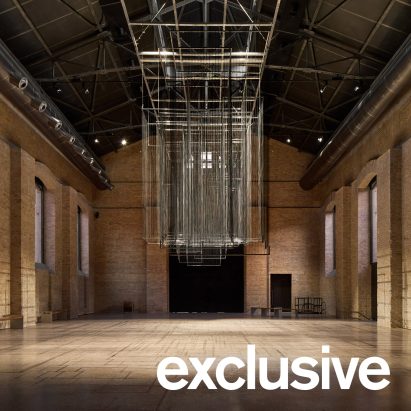
A transformative architectural project in Tashkent, Uzbekistan, has seen a former tram depot reimagined into a contemporary art center by the acclaimed French architecture practice Studio KO. This revitalization effort, commissioned by the Uzbekistan Art and Culture Development Foundation (ACDF) under the leadership of Gayane Umerova, highlights a growing trend in adaptive reuse of industrial spaces.
What Happened
The Centre for Contemporary Arts Tashkent, now housed in a structure described as 'basilica-like,' offers a new cultural landmark for Uzbekistan's capital. Studio KO has ingeniously converted the old tram depot, with its significant industrial heritage, into an art hub that features a striking metal tunnel guiding visitors into a lofty exhibition hall. This project underscores a broader movement within architecture towards sustainable development and cultural preservation through adaptive reuse. Studio KO's design respects the historical essence of the building while providing modern amenities to serve contemporary art exhibitions, making it a beacon of cultural engagement in Central Asia.
What This Means for Your Business
For architecture, engineering, and construction management (AECM) professionals, the transformation of the Tashkent tram depot into an art center exemplifies a successful model of adaptive reuse, which is increasingly favored for its sustainability and cost-effectiveness. The project reflects the potential for AECM firms to capitalize on similar opportunities in urban centers worldwide, where repurposing existing structures can offer substantial savings compared to new builds. This approach aligns with global sustainability goals and can enhance competitive positioning for firms that prioritize environmentally friendly practices. Additionally, such projects often attract funding from cultural and government organizations, providing lucrative partnership and contract opportunities.
What US Operators Should Watch
US operators should monitor the growing trend of adaptive reuse in global architecture as it presents numerous opportunities for innovation and collaboration. Keeping abreast of federal and state incentives for sustainable development projects can provide competitive advantages. Moreover, understanding the cultural and historical contexts of potential projects can be crucial for securing international contracts. As urban centers continue to evolve, the demand for creative and sustainable solutions in repurposing existing structures is likely to grow.
Source: Dezeen. Read the original story ->
Is your firm ready for what’s next?
VisioneerIT helps AECM and government contractors modernize operations, achieve compliance, and implement AI.
Explore VisioneerIT Solutions →