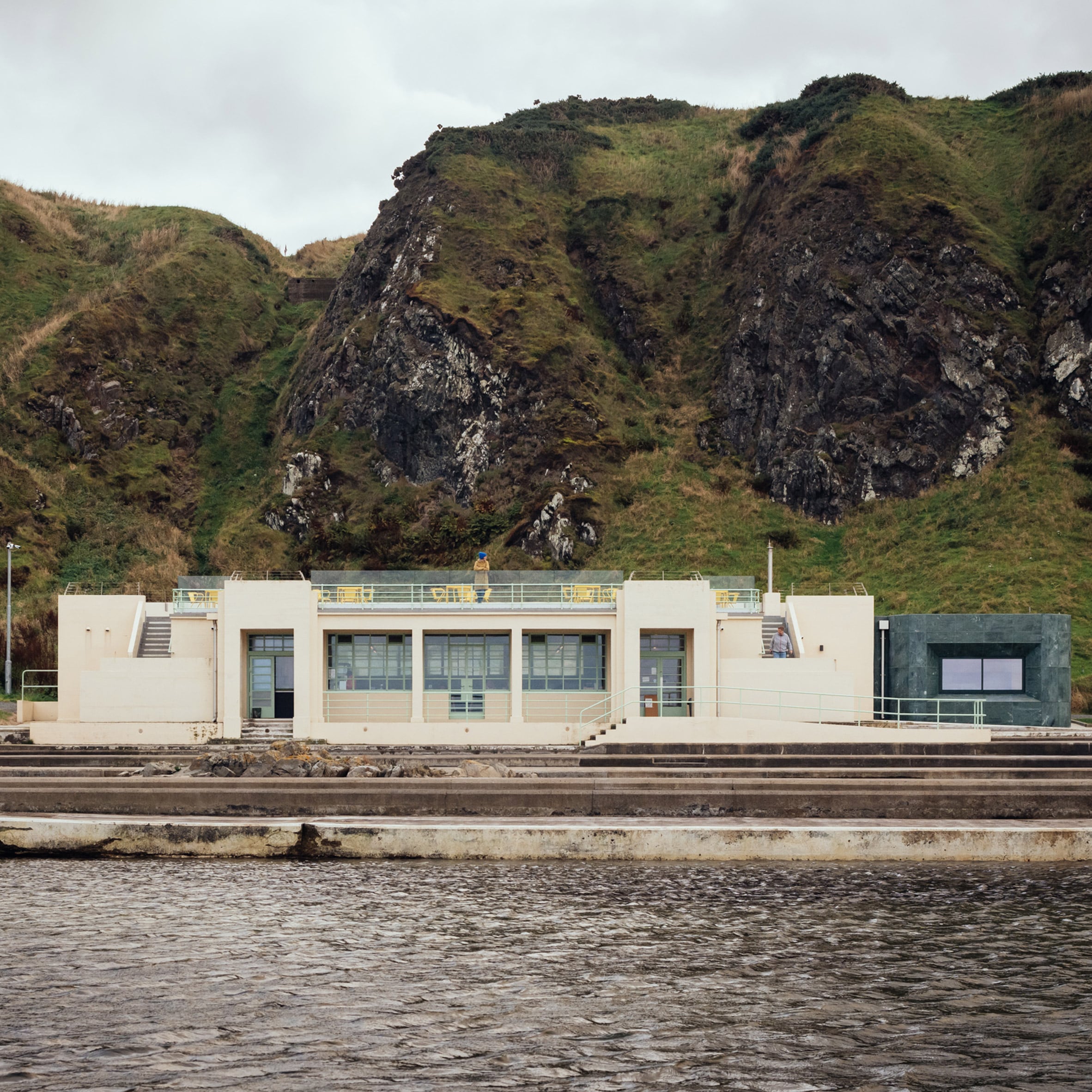
The revival of the Tarlair Pavilion and lido by Studio Octopi marks a significant milestone in the preservation of historical architecture, bringing modern utility to an art deco gem. This project, located near MacDuff, Aberdeenshire, has been shortlisted for the prestigious RIAS Andrew Doolan Best Building in Scotland Award, underscoring its architectural and cultural importance.
What Happened
The Tarlair Pavilion, an art deco structure originally constructed in 1931, had fallen into disrepair over the decades. Studio Octopi, a London-based architecture firm, undertook the challenging task of restoring this seaside landmark. The renovation project, now recognized as one of the top architectural achievements in Scotland, involved meticulous preservation techniques and modern design elements to revive the pavilion and adjacent lido. The project not only honors the original design but also introduces contemporary features to ensure the site’s relevance and functionality for future generations.
What This Means for Your Business
For professionals in the architecture, engineering, and construction sectors, the Tarlair Pavilion project exemplifies the potential for heritage restoration to generate new business opportunities. Government contracts and public-private partnerships often seek firms capable of balancing historical preservation with modern utility. This project highlights the importance of integrating advanced materials and sustainable practices, which can potentially open doors for federal funding and grants dedicated to heritage sites.
Moreover, the recognition by the RIAS Andrew Doolan Award can boost a firm’s reputation, offering a competitive edge in bidding for large-scale restoration projects. Companies involved in similar endeavors should consider aligning their capabilities with the growing demand for sustainable and innovative approaches to heritage architecture.
What US Operators Should Watch
US operators should monitor upcoming federal and local government initiatives focused on heritage preservation and sustainable architecture. As public interest in restoring historical sites grows, so will the opportunities to engage in projects that require specialized skills in both restoration and modern construction techniques. Additionally, staying informed about compliance requirements, such as those related to historical building codes and environmental regulations, will be crucial for successful project execution.
Lastly, the trend towards integrating technology in restoration projects, as seen in the Tarlair Pavilion, suggests that firms should invest in digital tools and training to enhance their competitive positioning. This includes adopting Building Information Modeling (BIM) and other digital solutions that facilitate precision and efficiency in complex restoration projects.
Source: Dezeen. Read the original story ->
Is your firm ready for what’s next?
VisioneerIT helps AECM and government contractors modernize operations, achieve compliance, and implement AI.
Explore VisioneerIT Solutions →