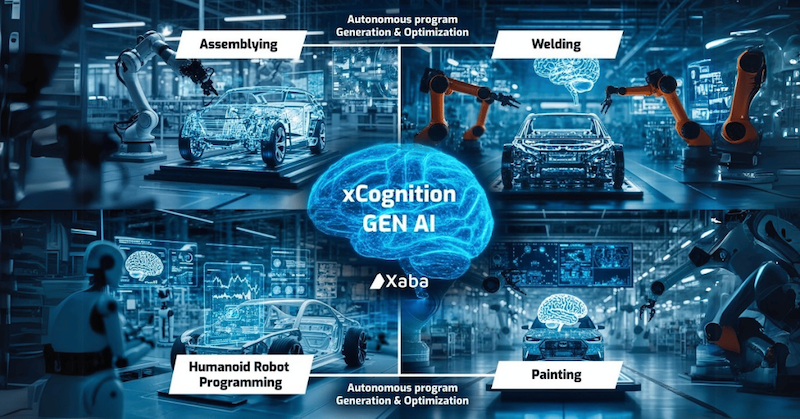
Physics-Based AI Poised to Revolutionize Manufacturing
The manufacturing industry faces challenges with AI systems that lack physical understanding, posing risks in production. Transitioning to physics-based AI could enhance efficiency and safety.
The manufacturing industry faces challenges with AI systems that lack physical understanding, posing risks in production. Transitioning to physics-based AI could enhance efficiency and safety.

The transition from CAD design to manufacturing is critical for engineering efficiency. The industry is focusing on reducing workflow friction to improve project delivery and cost-effectiveness.

Segway Navimow has produced its one millionth robotic mower, marking a significant milestone as it launches a new production line in Malaysia. This expansion enhances global supply chain stability and positions the company as a leader in the wire-free robotic lawn mower market.
The industrial robotics market is set to more than double by 2030, driven by intelligent automation technologies reshaping global manufacturing. This growth addresses labor shortages and enhances production efficiency, impacting the AECM industry significantly.
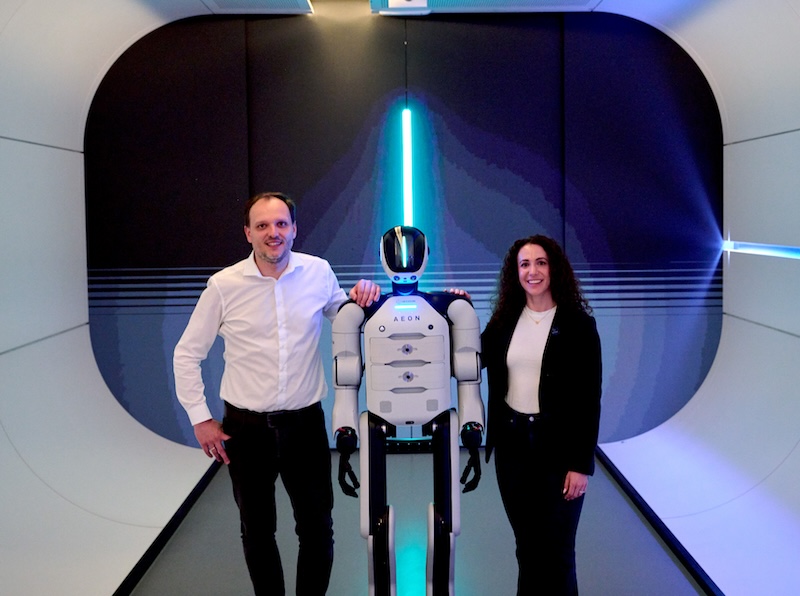
Hexagon Robotics and Fill Maschinenbau are collaborating to integrate humanoid robots in manufacturing, aiming to enhance operational autonomy and efficiency.
Mitsubishi Electric Automation prepares to showcase its CNC and robotics solutions at IMTS 2026, addressing labor shortages and operational efficiency in manufacturing.
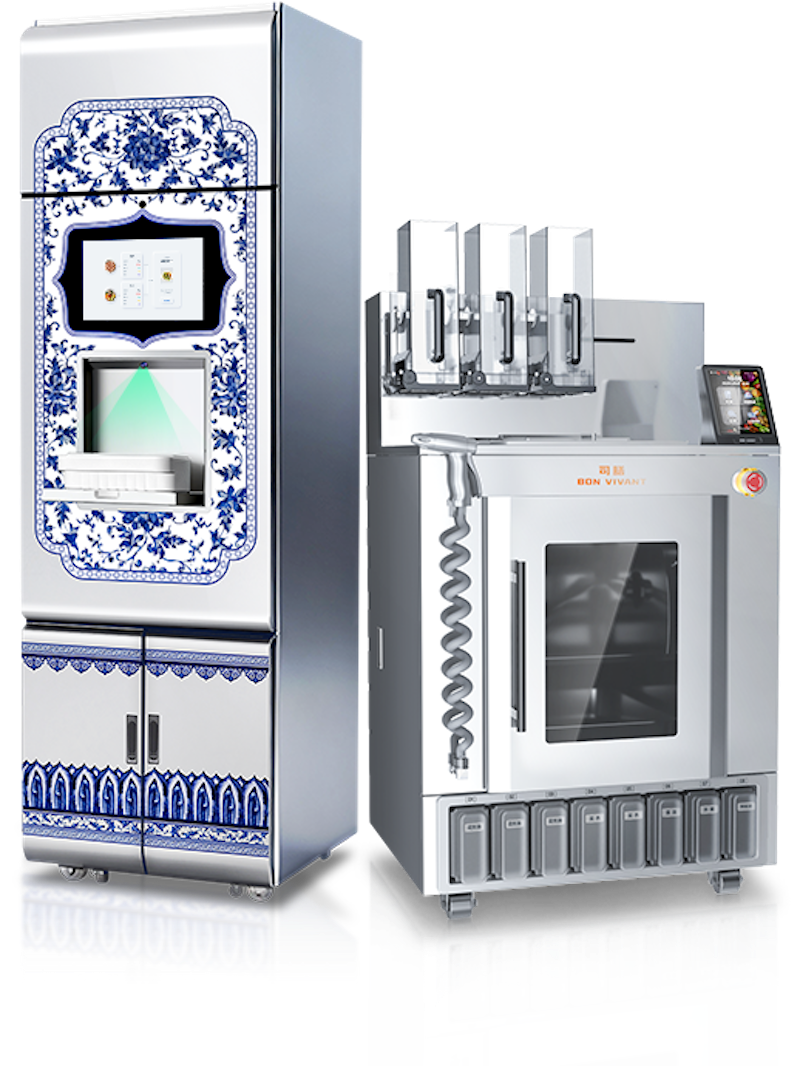
GMEX Robotics has received its first order for Bon Vivant 3.0 cooking systems, marking a significant step in AI integration within the hospitality sector. The $2.7 million agreement with an Australian group underlines the growing role of robotics in commercial kitchens.
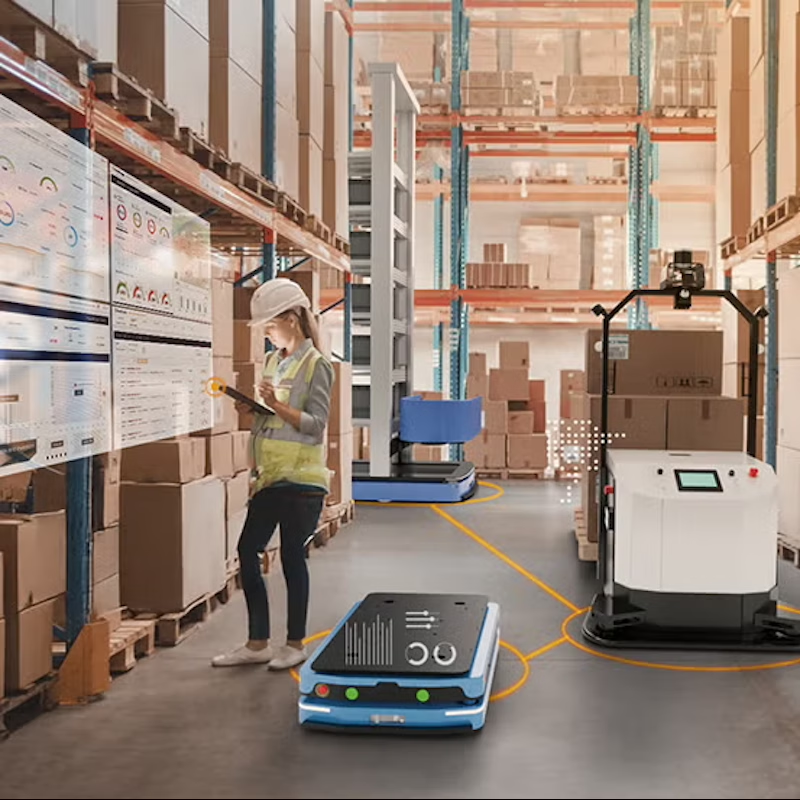
GreyOrange launches GreyMatter Foundry, an AI platform for simulating warehouse automation, offering cost and performance evaluations before implementation.
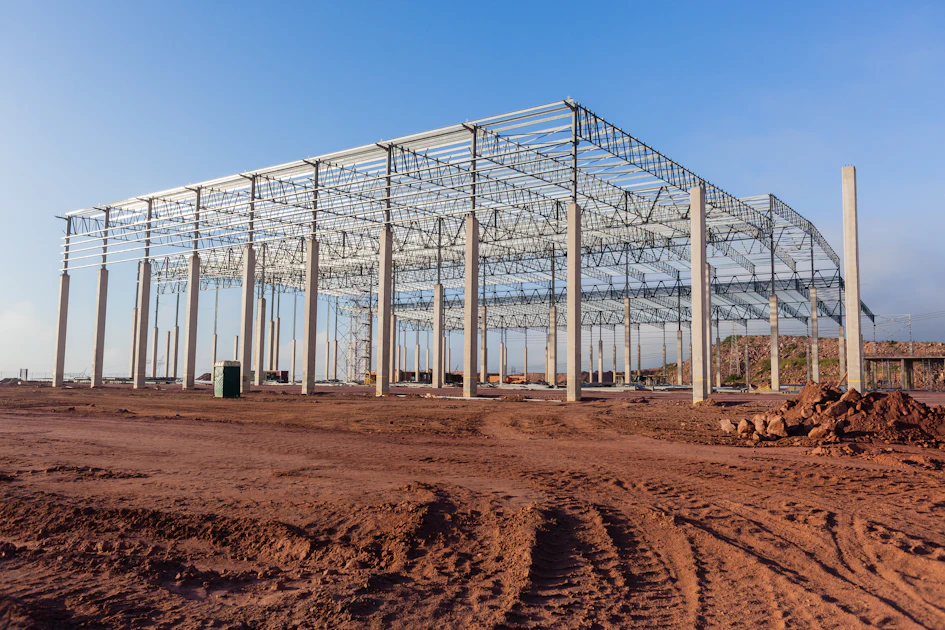
U.S. factory construction is slowing as manufacturers focus on expanding existing facilities and increasing automation. This shift impacts the AECM industry by reducing new build opportunities and increasing the emphasis on retrofitting and automation.
