Generative AI Poised to Revolutionize Architecture by 2026
Generative AI in architecture is set to drive innovation and efficiency by 2026, with significant implications for digital workflows, smart city development, and cloud collaboration.
Generative AI in architecture is set to drive innovation and efficiency by 2026, with significant implications for digital workflows, smart city development, and cloud collaboration.

Vertiv's SmartRun digital twin, integrated with NVIDIA Omniverse DSX, promises to revolutionize AI factory infrastructure planning, offering AECM professionals enhanced simulation and deployment capabilities.
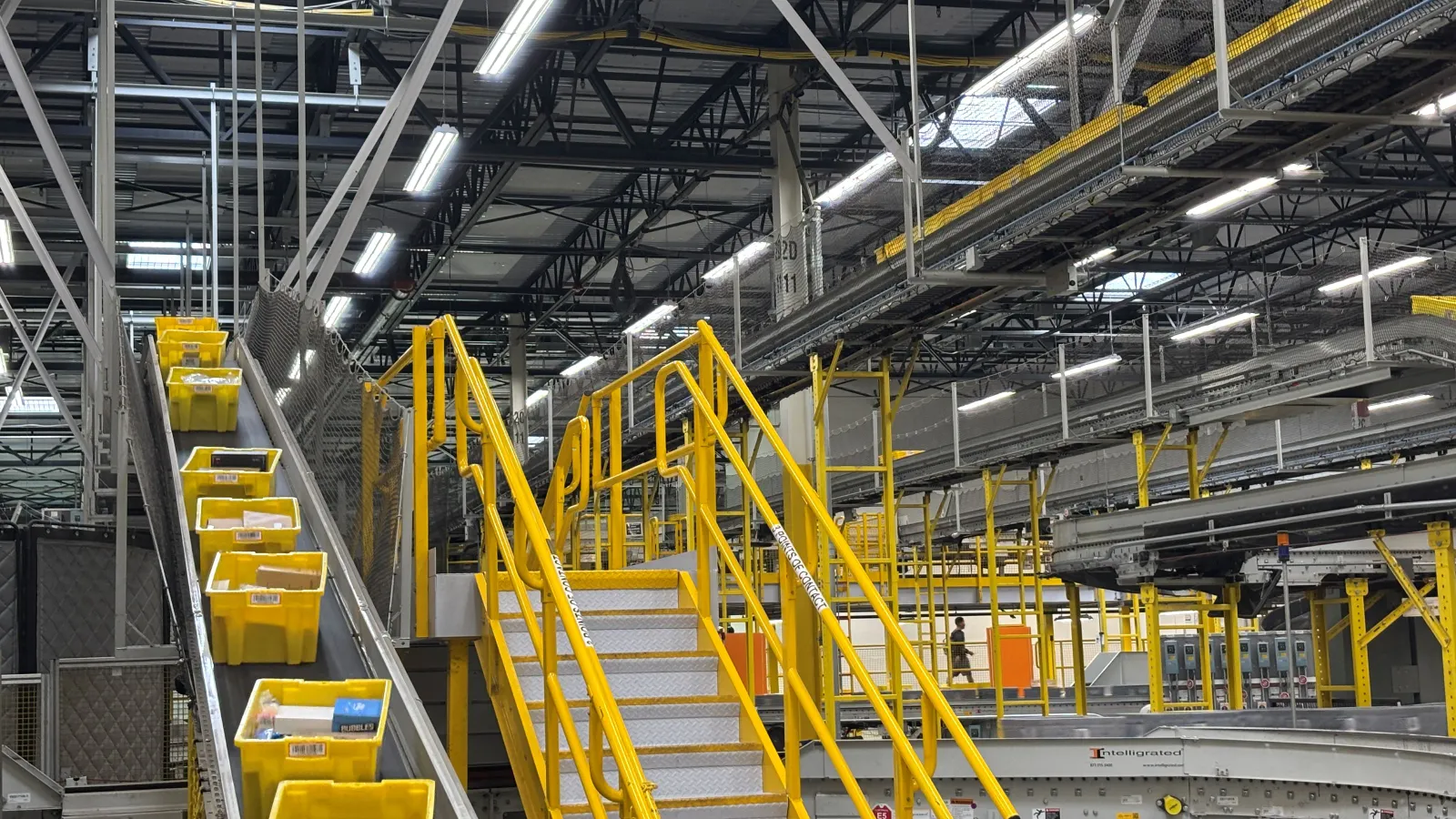
Amazon's new automated warehouse in Washington, featuring Hercules robots, highlights a major shift towards robotics in logistics, impacting AECM professionals.

Mouser Electronics has launched AI and Power Management Resource Hubs to aid engineers in industrial edge AI deployment, focusing on workload characterization and power architecture design.

Manufacturing plants are adopting advanced maintenance strategies to enhance efficiency, reduce costs, and improve safety. This evolution is critical for maintaining competitive positioning and ensuring compliance with cybersecurity frameworks.

The FTC's ban on foreign robot imports aims to protect US industry but poses challenges for research reliant on affordable Chinese models.

ChipAgents secures $60M to advance AI-driven chip design, impacting EDA industry strategies.

Bentley Systems' AI advancements are transforming infrastructure engineering, offering cost savings and compliance benefits for AECM businesses.

Emerging humanoid robotic technologies are set to transform manufacturing by enhancing automation and precision. AECM professionals must prepare for integration challenges and compliance requirements to leverage these advancements.
