Swinburne University of Technology's School of Design and Architecture is showcasing student projects that push the boundaries of traditional design disciplines. This initiative highlights the university's commitment to integrating creativity, technology, and industry to address real-world challenges. These projects not only reflect the innovative spirit within the academic sphere but also provide valuable insights for the architecture, engineering, construction, and manufacturing (AECM) sectors.
What Happened
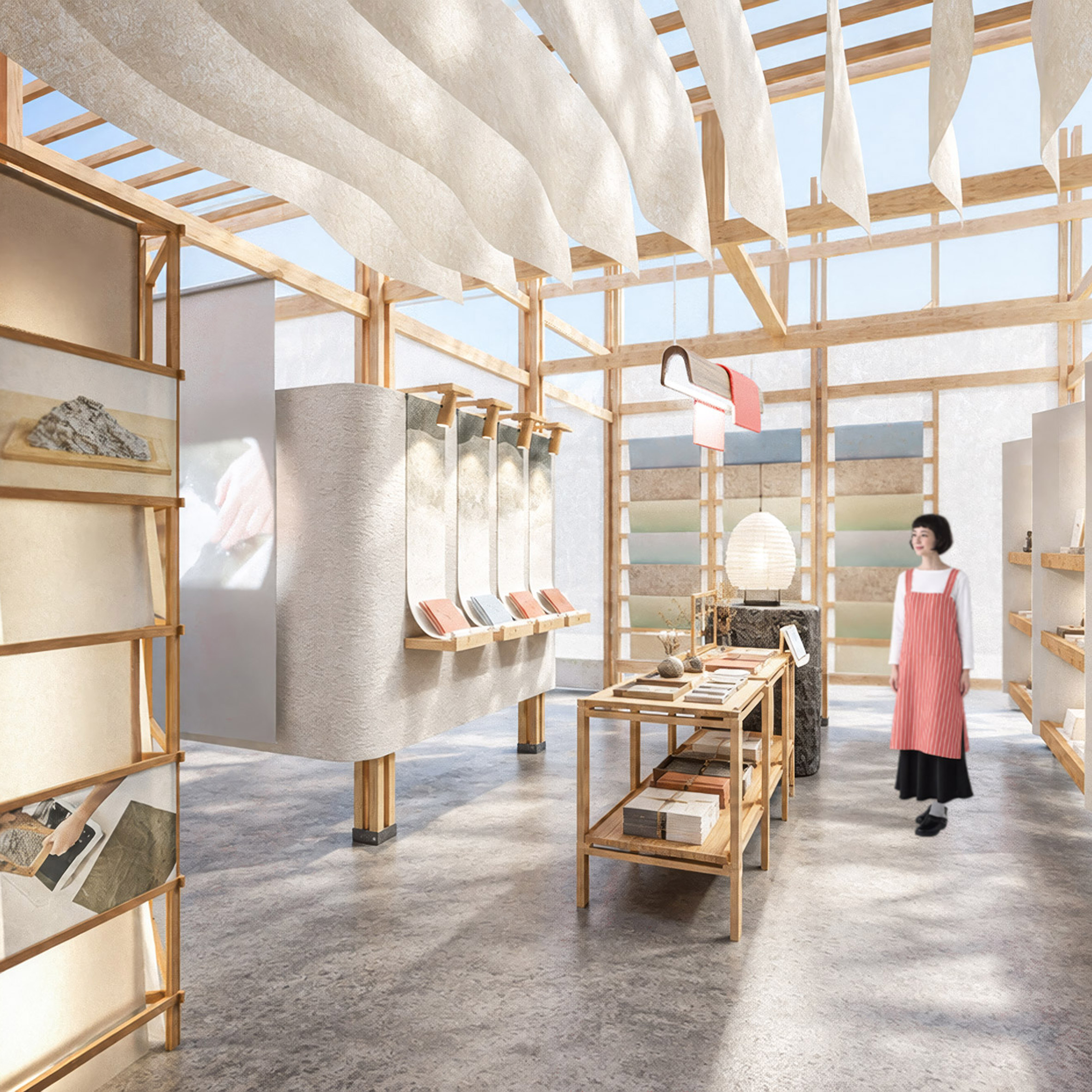
Swinburne University of Technology recently presented a series of student projects from its School of Design and Architecture. Among the highlighted works is a centre dedicated to developing handmade paper, a tool designed to assist individuals living with dementia, and a mural that explores the intersection of women and technology in design. These projects are part of various programs, including the Bachelor of Design, Master of Architecture, and Bachelor of Engineering. The faculty, including tutors like Debra Kunda and Michele Murray, emphasize a curriculum that bridges design and technology, fostering innovation and addressing global issues. One standout project, "Park Weave" by students Brendan David O'Mahony and Pablo de Lascurain Zambrano, proposes medium-density housing with adaptable shared spaces in Brunswick East. This design responds to demographic shifts, aiming to create a sustainable and socially connected community. Another project, "Mutt. A Comic-Inspired Typeface" by Kina Kavak, reimagines typography's role in Melbourne's design landscape, advocating for a re-engagement with print culture.
What This Means for Your Business
For AECM professionals, these student projects offer a glimpse into emerging trends and technologies that could influence future industry practices. The focus on sustainable and adaptable housing solutions in urban settings aligns with growing demands for eco-friendly and flexible living spaces. Such innovations could inform future project planning and development strategies, especially in urban areas experiencing demographic changes. Additionally, the emphasis on combining traditional craftsmanship with modern technology, as seen in the papermaking centre and the typographic project, underscores the potential for revitalizing industries through creative approaches. Businesses involved in design and architecture can draw inspiration from these projects to enhance their offerings and remain competitive.
What US Operators Should Watch
AECM professionals should monitor how these academic innovations translate into practical applications. The integration of sustainable design principles and the use of technology in traditional crafts can lead to new business opportunities and collaborations. Keeping abreast of developments in design education, especially those that emphasize interdisciplinary approaches, can provide valuable insights into future industry trends. Additionally, understanding demographic shifts and their impact on housing and urban development can guide strategic planning and investment decisions.
Source: Dezeen. Read the original story ->
Is your firm ready for what’s next?
VisioneerIT helps AECM and government contractors modernize operations, achieve compliance, and implement AI.
Explore VisioneerIT Solutions →