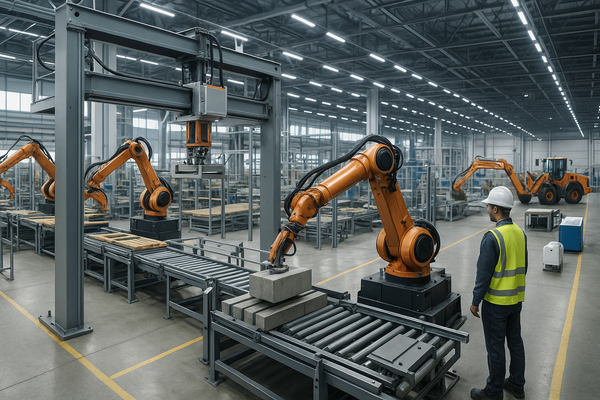
3D printing is transforming the manufacturing landscape, and nowhere is this more evident than in the robotics sector, where demand for rapid production is soaring. A recent analysis by Upside Parts reveals that an astounding 36.7% of 3D-printed parts for robotics are ordered on a rush schedule. This trend underscores the critical importance of speed in the robotics industry, significantly outpacing the 7.2% rush order rate seen among hardware and other sectors.
What Happened
Upside Parts' analysis of over 30,000 3D-printed parts shows that robotics companies are leading the charge in utilizing rush production. According to Roman Arkhangelskiy, Founder and Managing Partner of Upside Parts, robotics teams are approximately five times more likely to require fast turnaround due to the impact on engineering schedules. Additive manufacturing's capability to shorten lead times by enabling on-demand production is a crucial advantage. Interestingly, even larger orders, defined as those above 100 parts, showed a significant portion (32.5%) being produced on rush schedules, suggesting that urgency remains a key factor regardless of order size.
The study also highlights the diverse material needs in 3D printing for robotics. A striking 49% of orders included at least one material outside the standard PETG, PLA, or ABS, with no single material comprising more than 27.1% of volume in orders ranging from 101 to 500 parts. This indicates a routine requirement for varied materials, even in larger production runs.
What This Means for Your Business
For AECM professionals and government contractors, these findings emphasize the importance of adapting to rapid manufacturing cycles and material flexibility. Companies engaged in robotics and related fields should consider refining their procurement strategies to accommodate rush production capabilities. The ability to deliver quickly can be a decisive factor in maintaining competitive positioning and ensuring timely project completion. Additionally, the reliance on diverse materials suggests a need for robust supply chain management to handle varied production inputs efficiently.
The trend towards rush orders also highlights an opportunity for businesses to invest in automation and standardization of repeatable production paths. By doing so, manufacturers can reduce the time between order approval and production start, thereby enhancing overall efficiency.
What US Operators Should Watch
US operators should closely monitor advancements in additive manufacturing technologies and material innovations that could further accelerate production capabilities. Keeping abreast of federal funding opportunities for technology upgrades in 3D printing and robotics can also provide a competitive edge. Additionally, understanding the implications of compliance requirements such as CMMC and Zero Trust architectures in the context of rapid production cycles will be crucial.
As the demand for 3D-printed components continues to grow, operators should prepare for potential shifts in procurement windows and regulation timelines that could affect production schedules and cost structures.
Source: 3D Adept. Read the original story ->
Partner Insight · VisioneerIT
The surge in demand for 3D-printed robotics parts highlights the need for technology companies to align with federal compliance standards and secure government contracts. VisioneerIT can assist in navigating these complexities to enhance your competitive edge in the market.
Explore VisioneerIT Cybersecurity →
Is your firm ready for what’s next?
VisioneerIT helps AECM and government contractors modernize operations, achieve compliance, and implement AI.
Explore VisioneerIT Solutions →