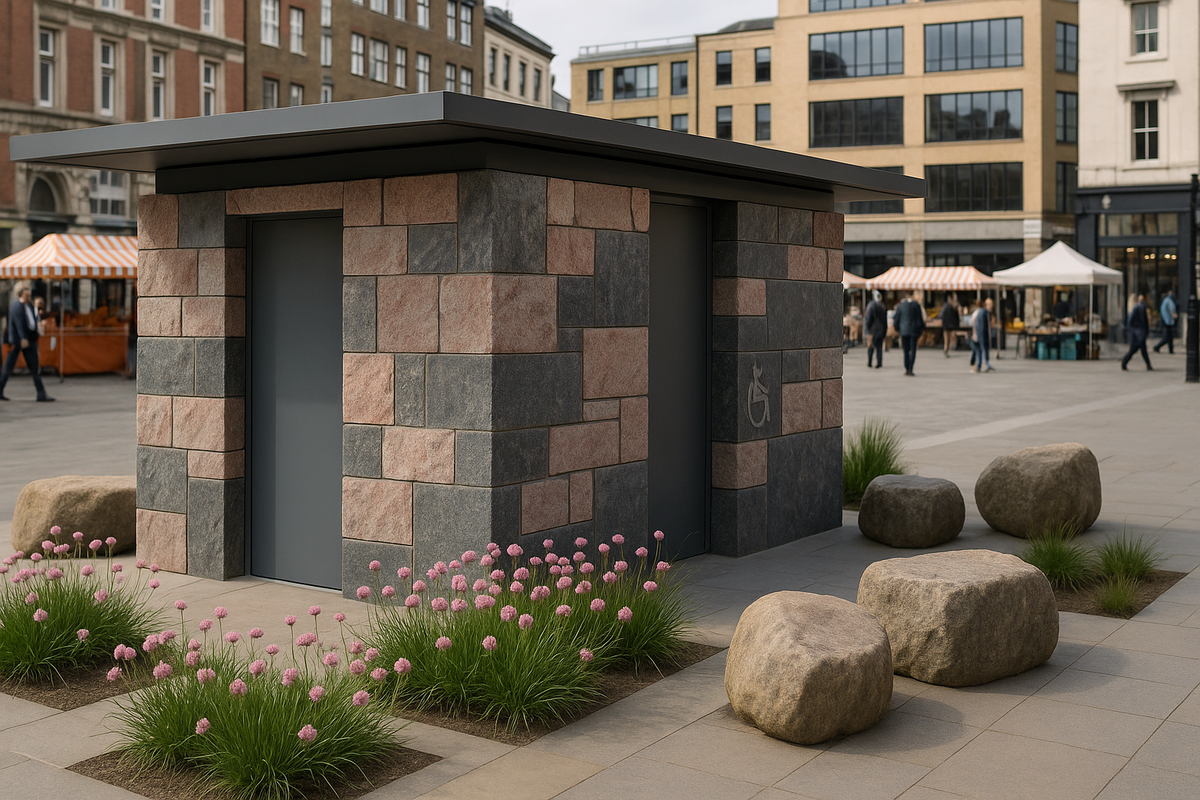
In a bold move towards sustainable urban architecture, Studio Weave has unveiled a stone toilet block in North Paddington, London, constructed entirely from salvaged materials. This project, commissioned by Westminster City Council, replaces a problematic underground facility and represents a significant step in the city's environmental and social infrastructure.
What Happened
Studio Weave, a London-based architecture firm, has transformed the urban landscape of Maida Hill with a new public toilet block made from stone salvaged from a demolished office building. This initiative, backed by Westminster City Council, addresses the challenges posed by the previously existing underground toilets, which were not only difficult to access but also a hotspot for antisocial behavior. The new pavilion not only enhances accessibility but also embodies a commitment to sustainable practices by reusing materials that would otherwise contribute to construction waste.
The project's focus on democracy and public utility is reflected in its design, which aims to serve the community by providing a necessary public service while also enhancing the aesthetic and functional quality of the urban environment. This approach aligns with a broader trend in urban planning that prioritizes sustainability and community engagement.
What This Means for Your Business
For AECM professionals, Studio Weave's project highlights the growing importance of sustainable practices in urban development. The use of salvaged materials not only reduces the environmental impact but also offers a cost-effective solution that can be replicated in future projects. As cities worldwide face mounting pressure to reduce carbon footprints and improve sustainability, the demand for innovative, eco-friendly construction methods is likely to increase.
This project also underscores the need for compliance with evolving regulations, such as those related to sustainable construction and waste reduction. Businesses involved in government contracting should be prepared for potential shifts in procurement criteria that prioritize sustainability and community impact.
What US Operators Should Watch
US operators should monitor developments in sustainable urban design and materials reuse as these trends gain momentum. The potential for federal funding opportunities in infrastructure projects that emphasize sustainability could present lucrative avenues for growth. Additionally, staying abreast of regulatory changes in urban planning will be crucial for maintaining competitive advantage.
Is your firm ready for what’s next?
VisioneerIT helps AECM and government contractors modernize operations, achieve compliance, and implement AI.
Explore VisioneerIT Solutions →