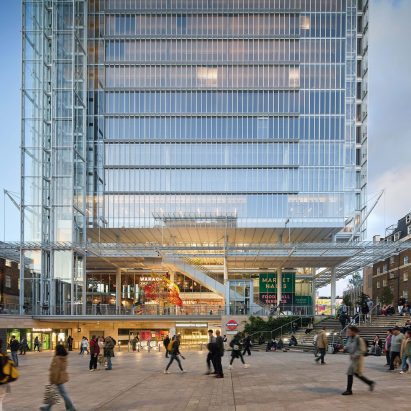
The planned demolition of the Rike Concert Hall in Tbilisi, designed by the renowned Italian architecture firm Studio Fuksas, has sparked significant controversy within the architectural community. The firm has publicly called for the demolition to be stopped, citing the building's cultural and architectural importance. This plea comes amid unsuccessful attempts by Studio Fuksas to engage with Tbilisi officials and the building's owners.
What Happened
Tbilisi's Rike Concert Hall, a striking architectural landmark designed by Studio Fuksas, is facing demolition despite its cultural significance. The concert hall, noted for its unique design and contribution to Tbilisi's urban landscape, is at risk of being lost as city officials plan to tear it down. Studio Fuksas has expressed its concerns over this decision, emphasizing the potential cultural setback. The firm has made several attempts to communicate with local authorities and stakeholders to explore alternative uses for the building, but these efforts have not yielded any results.
What This Means for Your Business
For architecture, engineering, and construction firms, this situation underscores the importance of proactive engagement with local governments and stakeholders during and after the construction process. The potential demolition of a high-profile project like the Rike Concert Hall highlights the need for firms to secure long-term commitments and protective measures for their projects. Additionally, businesses should consider the implications of cultural heritage preservation in their designs, as public sentiment and cultural value can influence governmental decisions. This case also serves as a reminder for firms involved in international projects to navigate local regulatory environments and establish strong communication channels with local authorities to prevent such outcomes.
What US Operators Should Watch
US-based AECM firms working internationally should closely monitor the regulatory and cultural landscapes of host countries. Understanding local governance structures and cultural priorities can help in anticipating potential challenges and opportunities. Moreover, firms should stay informed about international architectural trends and preservation movements, as these can impact project viability and acceptance. Keeping an eye on cultural preservation policies, both domestically and abroad, will be crucial for firms looking to maintain their competitive edge in the global market.
Source: Dezeen. Read the original story ->
Is your firm ready for what’s next?
VisioneerIT helps AECM and government contractors modernize operations, achieve compliance, and implement AI.
Explore VisioneerIT Solutions →