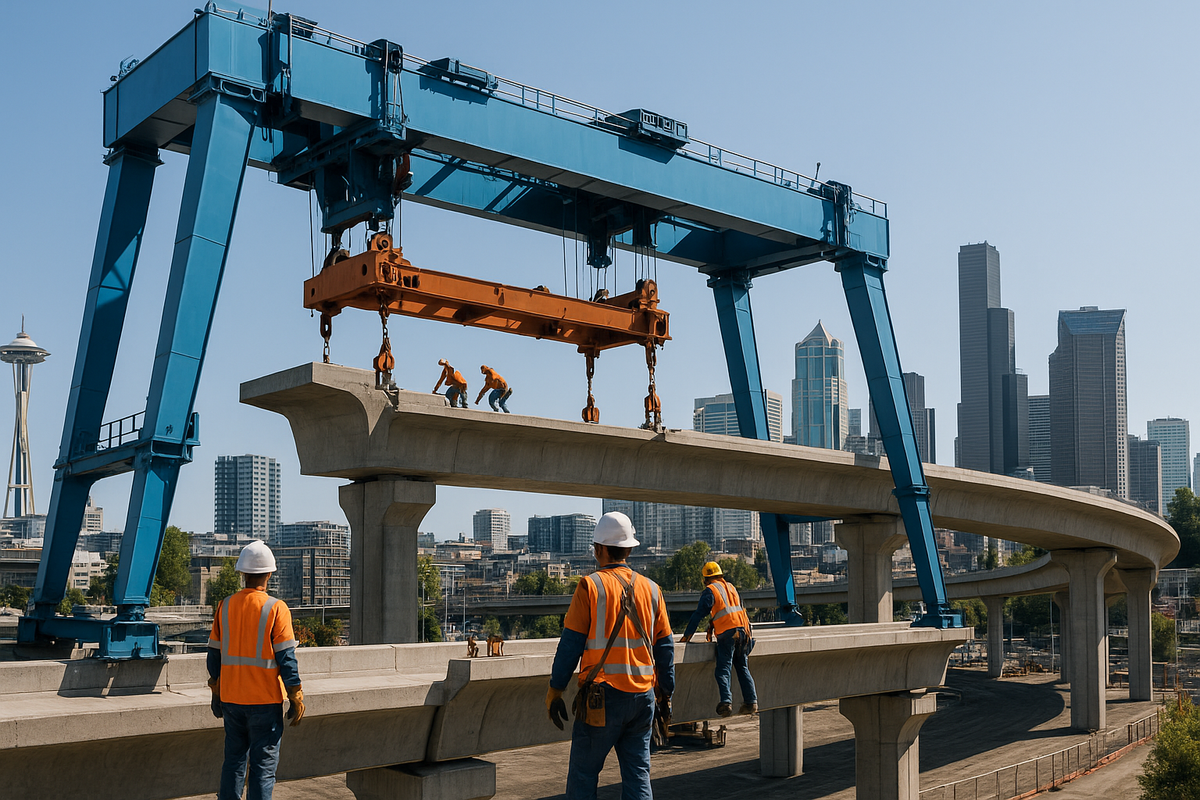
Seattle's Sound Transit has adopted a revised ST3 plan to address a staggering $34.5 billion funding gap, a decision with significant implications for the area’s infrastructure development and beyond. This move comes as the agency grapples with financial constraints impacting the timeline and scope of its ambitious transit expansion projects.
What Happened
Sound Transit, responsible for the light rail, commuter rail, and bus services in the Seattle metropolitan area, has recalibrated its ST3 plan. The plan, initially approved by voters in 2016, aimed to expand the region's transit network significantly. However, due to a formidable funding shortfall, the agency has had to fully fund only select major projects while deferring others. This funding gap, attributed to increased construction costs and economic shifts, has necessitated tough choices in project prioritization.
Among the projects that will continue as planned are key light rail extensions and infrastructure improvements, deemed essential for the region's transit needs. However, the deferral of other projects could delay the realization of the comprehensive transit vision that was promised to voters and stakeholders.
What This Means for Your Business
For businesses operating within the AECM sectors, this development presents both challenges and opportunities. Contractors and firms involved in the funded projects can anticipate steady work and collaboration with Sound Transit, albeit under tightened budgetary constraints and potentially increased scrutiny over cost management. For those eyeing deferred projects, the landscape is less certain, requiring strategic patience and readiness to engage when funding becomes available.
Compliance with federal and state regulations remains critical, particularly concerning construction standards and environmental considerations. Companies should also keep abreast of any changes in procurement processes or policy shifts that may arise as Sound Transit navigates this financial terrain.
What US Operators Should Watch
Decision-makers should closely monitor Sound Transit’s upcoming procurement announcements and project bidding windows, particularly for the projects that remain fully funded. Additionally, understanding the timelines for deferred projects and any potential federal funding opportunities that could alleviate the shortfall will be crucial. Staying informed about any regulatory changes or funding reallocations will position businesses to respond swiftly and effectively.
Is your firm ready for what’s next?
VisioneerIT helps AECM and government contractors modernize operations, achieve compliance, and implement AI.
Explore VisioneerIT Solutions →