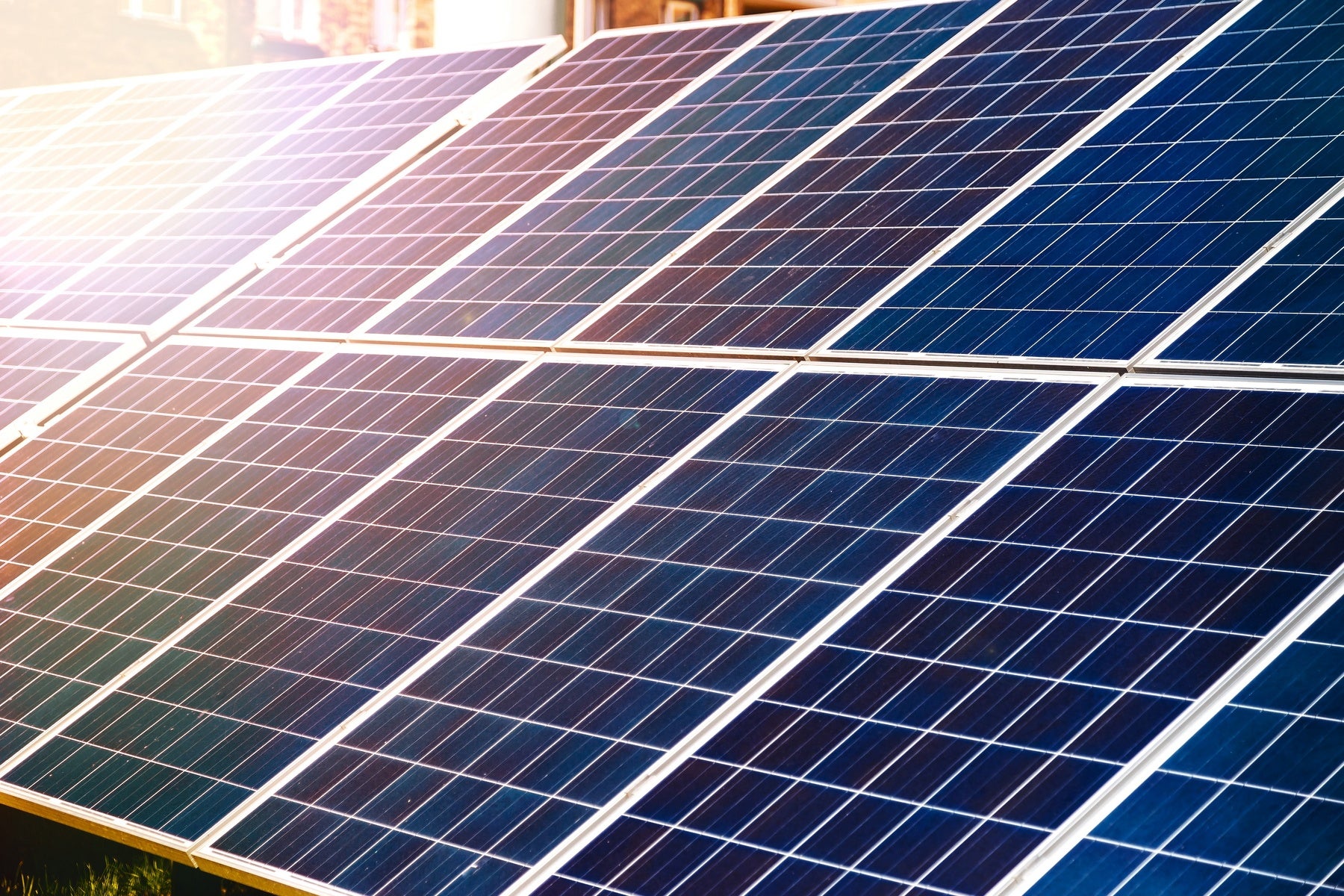
The solar power industry faces a new frontier of challenges as extreme weather events, driven by climate change, increasingly threaten the viability and safety of energy infrastructures. As reported by the World Meteorological Organization's State of the Global Climate 2024, the rising frequency and intensity of tropical cyclones and extreme precipitation events are reshaping the risk landscape for renewable energy systems globally. This is particularly crucial for solar power, as these conditions can lead to significant structural damage and financial losses.
What Happened
The U.S. National Laboratory of the Rockies has highlighted the vulnerability of solar power projects to extreme weather, with potential asset losses reaching up to 60% in severe cases. Taiwan, located in the typhoon-prone Northwest Pacific Ocean, exemplifies these challenges. In recent years, typhoons such as Kong-rey, Shanshan, and Gaemi have caused flooding and damage to solar power plants in central and southern Taiwan. Typhoon Danas in 2025 further demonstrated these vulnerabilities, affecting approximately 135,000 photovoltaic modules and incurring significant financial losses.
In response, companies like ECOVE are pioneering resilience-based engineering strategies. These involve systematic approaches from site selection to operations and maintenance (O&M) to bolster system resilience, reduce vulnerability, and ensure long-term performance stability.
What This Means for Your Business
For U.S. operators in the solar sector, these developments underscore the importance of integrating resilience into project planning and execution. Ensuring bankability and operational continuity under extreme conditions is becoming critical. This involves leveraging advanced modeling tools and historical meteorological data for comprehensive site assessments, as demonstrated by ECOVE’s use of flooding potential maps and soil liquefaction maps from the National Science and Technology Center for Disaster Reduction. These risk assessments are crucial for mitigating potential financial losses and enhancing project viability.
Moreover, incorporating resilience strategies can aid compliance with emerging regulatory requirements and standards focused on climate adaptation. Such forward-thinking approaches not only protect investments but also position companies competitively in the market by demonstrating commitment to sustainable and resilient infrastructure.
What US Operators Should Watch
U.S. solar power deve
Is your firm ready for what’s next?
VisioneerIT helps AECM and government contractors modernize operations, achieve compliance, and implement AI.
Explore VisioneerIT Solutions →