Modern vehicles are rapidly transforming into software-centric platforms, a shift poised to redefine the automotive landscape. This evolution towards Software-Defined Vehicle (SDV) architectures promises to enhance vehicle functionality, open new revenue streams, and extend the lifecycle of automotive products. For the AECM industry, understanding these changes is critical as they present both challenges and opportunities in manufacturing and design processes.
What Happened
The automotive industry is witnessing a fundamental transformation with the rise of Software-Defined Vehicle (SDV) architectures. Unlike traditional vehicles, which rely heavily on hardware for functionality, SDVs use software to control and enhance vehicle systems. This shift allows for continuous updates and enhancements, akin to how smartphones receive software updates. The implications are significant: manufacturers can now deploy new features, improve performance, and fix issues without physical modifications to the vehicle. This paradigm shift is being driven by advances in connectivity, computing power, and the integration of artificial intelligence.
What This Means for Your Business
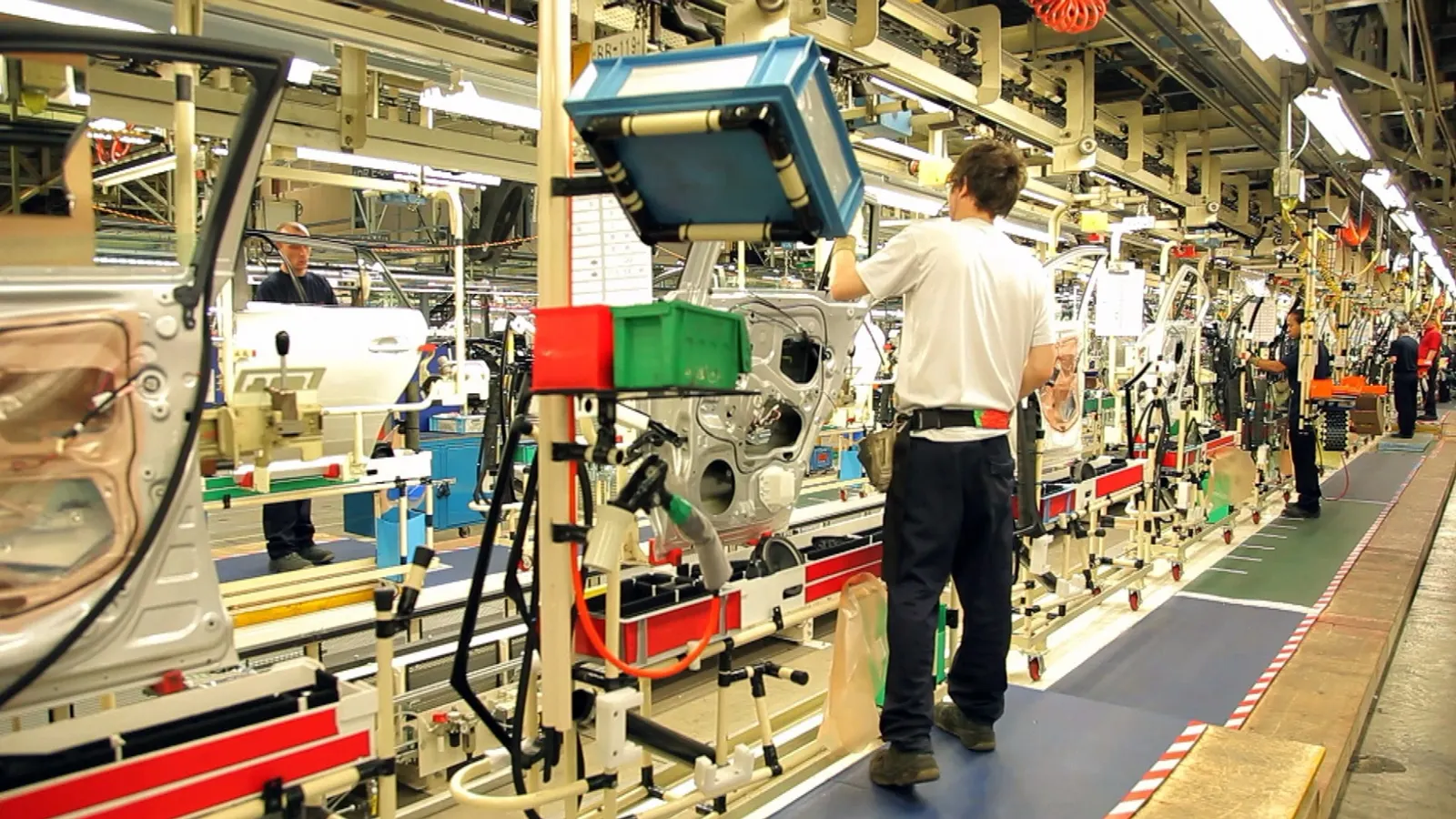
For AECM professionals, the transition to SDVs represents a pivotal change in the design and manufacturing process. Traditional vehicle production lines must adapt to accommodate more sophisticated software integration. This change demands an investment in new skill sets, particularly in software development and cybersecurity, as vehicles become increasingly connected. Companies that can effectively integrate these new technologies will likely gain a competitive edge, offering more adaptable and feature-rich vehicles to consumers. Moreover, the ability to monetize software through ongoing updates provides a new revenue stream, shifting the business model from one-time sales to ongoing service-based models.
What US Operators Should Watch
As the SDV trend accelerates, US operators should monitor several key developments. First, the regulatory landscape is evolving, with potential changes in cybersecurity standards and compliance requirements. Staying abreast of these changes will be crucial for maintaining compliance and avoiding costly penalties. Additionally, the window for federal funding and incentives related to advanced vehicle technologies is expanding. Operators should be prepared to leverage these opportunities to offset development costs and accelerate innovation. Finally, keeping an eye on emerging technologies such as AI and IoT integration will be essential for staying competitive in this rapidly evolving market.
---
Source: EE Times. Read the original story ->
Is your firm ready for what’s next?
VisioneerIT helps AECM and government contractors modernize operations, achieve compliance, and implement AI.
Explore VisioneerIT Solutions →