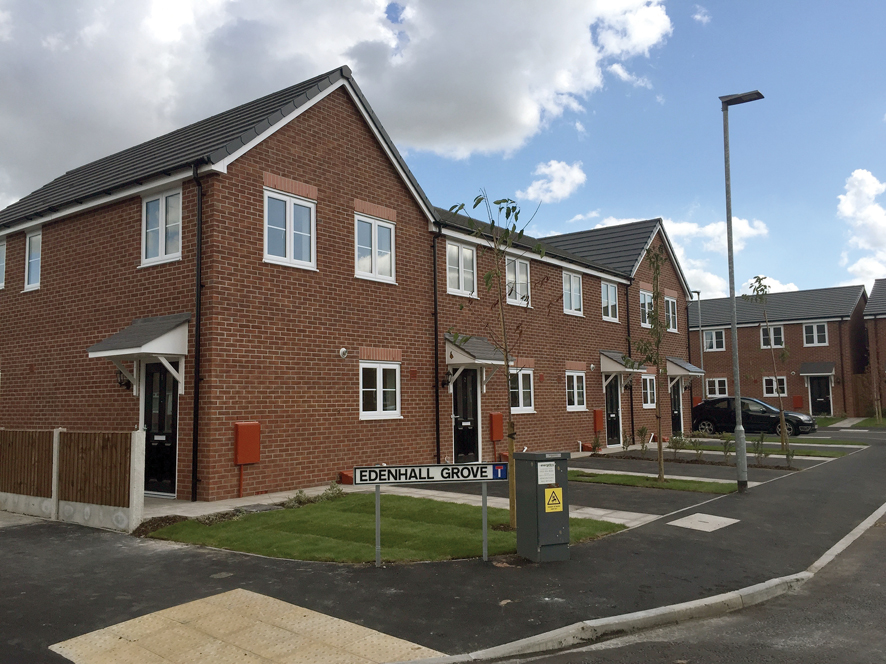
Small and medium-sized enterprises (SMEs) in the home building sector are facing significant hurdles in securing viable bids for affordable housing projects under the Section 106 mechanism, a recent survey by the Home Builders Federation and Quantum Development Finance reveals. This issue arises as the UK government remains steadfast in its commitment to increase social and affordable housing, making the situation particularly pressing for developers.
What Happened
The survey highlights that nearly three-quarters (72%) of SME home builders report moderate or significant difficulties in obtaining commercially viable bids from registered providers (RPs), such as housing associations, for Section 106 affordable homes. One of the primary obstacles identified is the small scale of these projects, which often offer too few affordable homes to attract interest from RPs. This is compounded by financial constraints and RPs prioritizing other development opportunities. The government has also decided not to proceed with proposals allowing developers of medium-sized sites to make financial contributions instead of providing on-site affordable housing. This decision, according to 92% of survey respondents, threatens the viability of these sites and could slow down the delivery of both private and affordable housing.
Section 106 agreements are crucial as they have delivered nearly half of all new affordable homes in England over the past decade. However, the current financial pressures mean RPs are increasingly unable to purchase homes at the required discounts, especially on smaller developments. The survey indicates that a majority of RPs require a minimum package of between 11 to 30 affordable homes, with a preference for more than 30, a threshold that smaller projects struggle to meet.
What This Means for Your Business
For AECM professionals and government contractors, the challenges outlined in the survey point to a need for strategic planning and adaptation. The inability to secure bids from RPs can directly impact project timelines and financial returns. Therefore, companies may need to explore alternative funding strategies or partnerships to enhance project viability. Additionally, staying informed about government policy changes and funding opportunities can provide a competitive edge in navigating these challenges. Compliance with planning regulations and understanding the intricacies of Section 106 agreements will remain critical for firms aiming to maximize their ROI and secure contracts.
What US Operators Should Watch
While this issue primarily affects the UK market, US operators should observe the evolving landscape of affordable housing policies and funding mechanisms. The challenges faced by UK SMEs could offer insights into potential pitfalls and opportunities within the US context, particularly for firms engaged in international projects or seeking to understand global market dynamics. Keeping abreast of regulatory changes, procurement windows, and funding opportunities will be essential for maintaining competitive positioning in the ever-evolving construction sector.
---
Source: https://www.theconstructionindex.co.uk/news/view/smes-struggle-with-s106-affordable-home-projects. Read the original story ->
Partner Insight · VisioneerIT
The challenges faced by SMEs in securing viable bids for affordable housing projects highlight the importance of robust cybersecurity measures in the construction sector. As firms navigate complex regulations and funding opportunities, ensuring compliance and protecting sensitive information becomes crucial for maintaining competitive positioning.
Explore VisioneerIT Cybersecurity →
Is your firm ready for what’s next?
VisioneerIT helps AECM and government contractors modernize operations, achieve compliance, and implement AI.
Explore VisioneerIT Solutions →