Skanska has announced a series of significant contract wins, totaling over $1.4 billion, spanning projects in both Sweden and the United States. These contracts, which include major infrastructure and public facility developments, underscore the company's expanding footprint and capability in delivering complex construction projects.
What Happened
Skanska has secured four new contracts, two in Sweden and two in the United States. In the US, the most substantial project is a $1 billion contract with the Massachusetts Bay Transportation Authority (MBTA) aimed at replacing a 1930s-era bascule rail bridge and conducting comprehensive related work across Boston, Cambridge, and Somerville. This massive project will involve expanding the bridge spanning the Charles River from four to six tracks, with construction expected to be completed by the autumn of 2032. Additionally, Skanska will undertake a $305 million project in New Jersey to construct a computer science center at an unnamed university. This project will feature a six-floor structure made from structural steel and mass timber and will include classrooms, offices, and labs. It is scheduled to be completed in the first quarter of 2030.
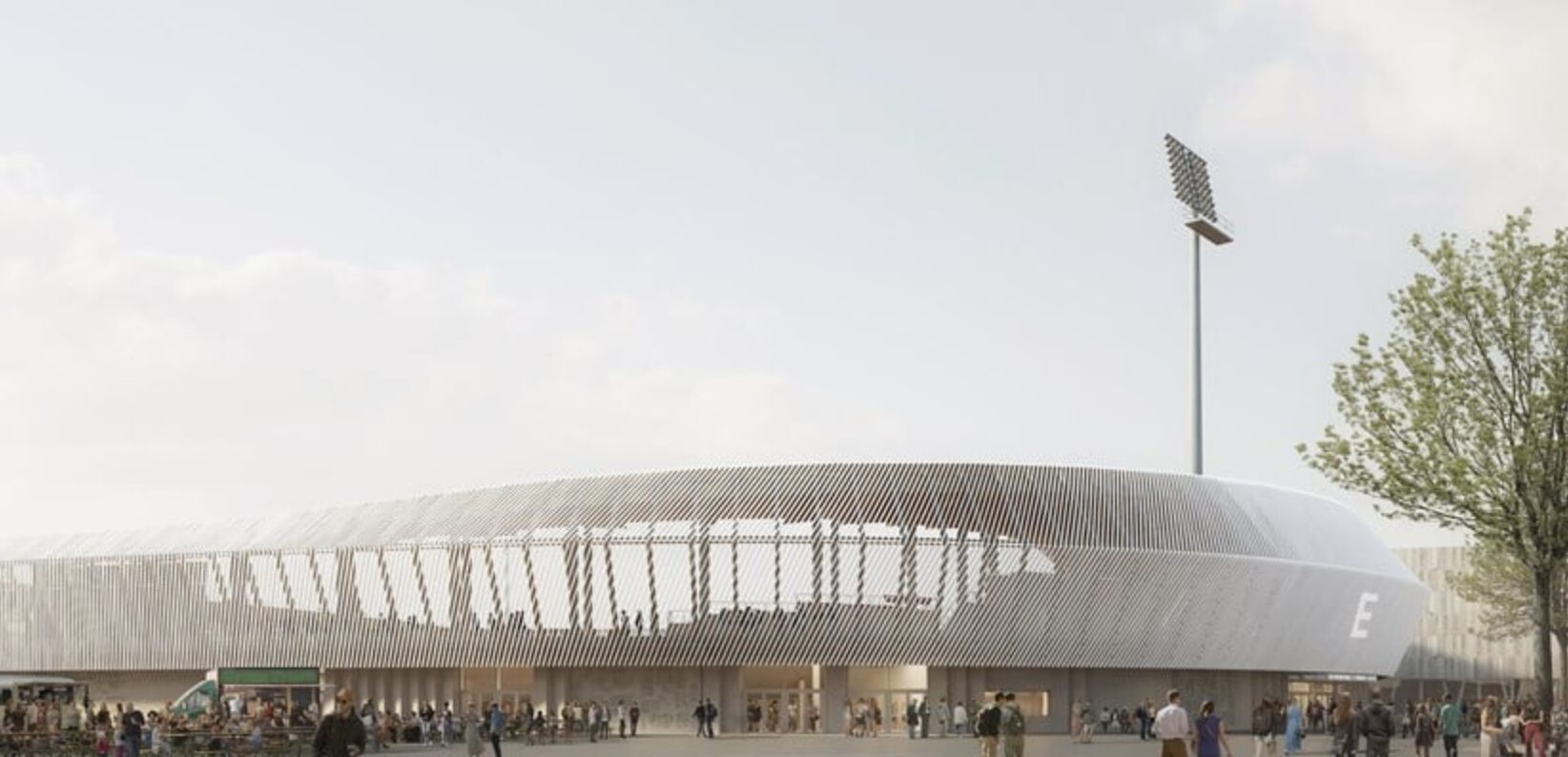
In Sweden, Skanska has signed a $105 million contract to advance the second phase of a new athletics and football stadium in Malmö. This facility will host up to 8,000 spectators and is expected to be completed between 2028 and 2029. Lastly, Skanska will construct a $60 million prison in Strömsund, set to house 140 inmates and classified as a Class 3 facility, Sweden's lowest security level. The prison is projected to be completed in 2028.
Why It Matters for the AECM Industry
These contracts represent a significant investment in infrastructure and public facilities, with implications for cost, labor, and schedule management across continents. The MBTA project, in particular, is a testament to Skanska's ability to handle large-scale transportation infrastructure projects, which are pivotal in minimizing disruptions for the 100,000 daily riders. The use of structural steel and mass timber in the New Jersey project highlights a growing trend towards sustainable construction materials, likely influencing future projects.
In Sweden, the Malmö stadium project not only reflects Skanska's continued collaboration with local municipalities but also emphasizes the importance of modernizing public sports fac
Is your firm ready for what’s next?
VisioneerIT helps AECM and government contractors modernize operations, achieve compliance, and implement AI.
Explore VisioneerIT Solutions →