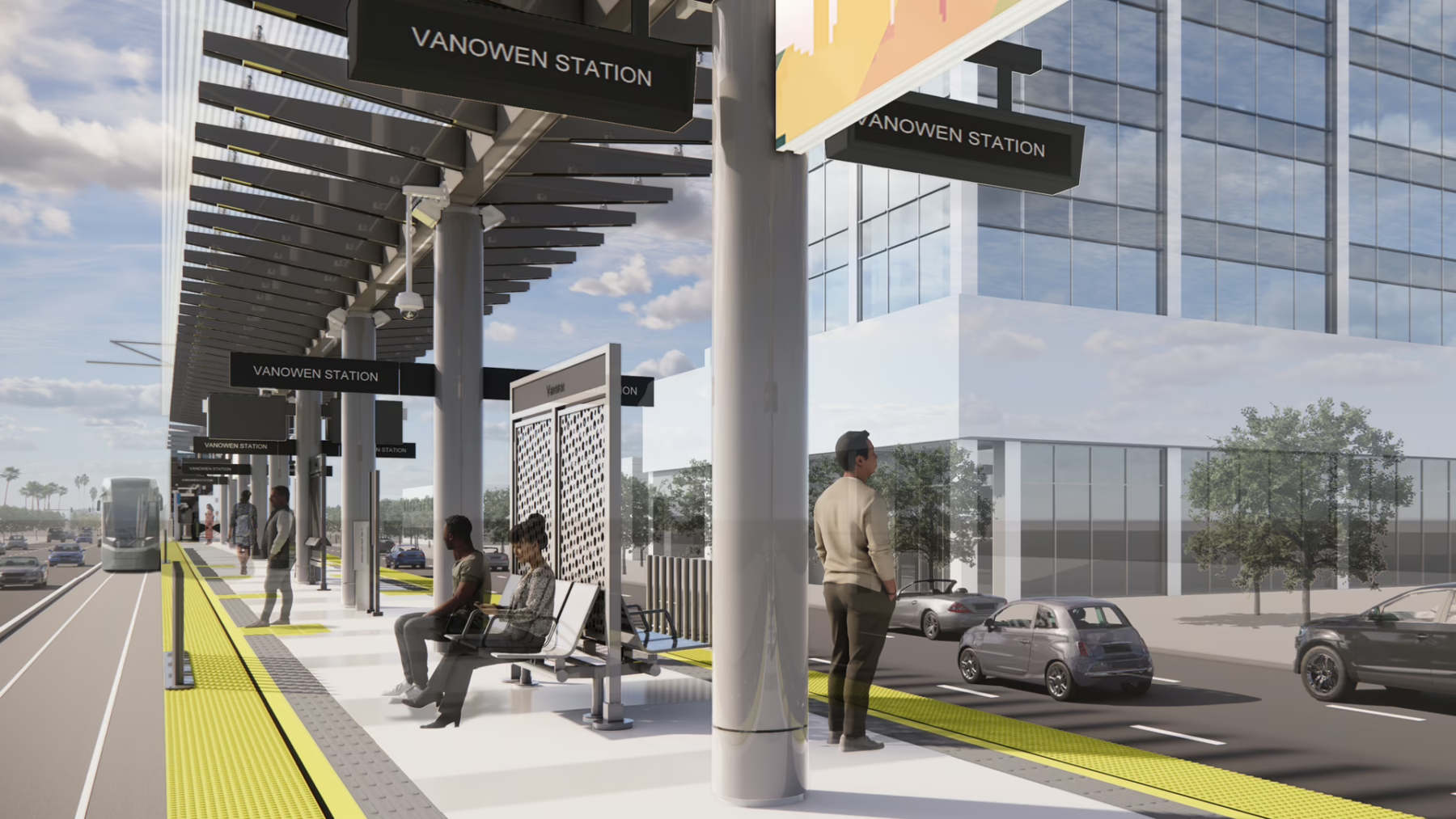
Skanska, in collaboration with Stacy Witbeck, has secured a $2.43 billion contract from the Los Angeles County Metropolitan Transportation Authority for the East San Fernando Valley Light Rail Transit Project. This significant investment underscores the region's commitment to enhancing urban mobility through a robust and interconnected transit network.
What Happened
The joint venture between Skanska and Stacy Witbeck has been awarded a substantial contract to lead the design and construction of a 6.7-mile light rail line along Van Nuys Boulevard. The project, which began in July 2026, aims to complete by December 2031, enhancing connectivity in the East San Fernando Valley. It includes the construction of 11 new stations, a 26-acre Rail and Maintenance Facility, and various utility relocations and improvements. This Progressive Design-Build approach fosters early collaboration with stakeholders, ensuring that the project aligns with community needs while managing risks and costs effectively.
What This Means for Your Business
For contractors and suppliers in the AECM sector, this project represents a significant opportunity. The Progressive Design-Build model emphasizes early engagement, allowing for more informed decision-making and streamlined processes. This can lead to more predictable project timelines and budgets, which are critical for maintaining profitability. Furthermore, as the project progresses, there will be numerous procurement opportunities for materials, technology, and services, offering a lucrative market for industry players.
What US Operators Should Watch
Industry stakeholders should monitor the project's timeline closely, particularly the stages involving procurement and utility coordination. The integration of new stations and facilities will require compliance with federal and local regulations, necessitating vigilance in adhering to standards such as CMMC and NIST. As funding flows and construction advances, staying informed about regulatory changes and deadlines will be crucial for maintaining competitive advantage and ensuring alignment with project requirements.
Is your firm ready for what’s next?
VisioneerIT helps AECM and government contractors modernize operations, achieve compliance, and implement AI.
Explore VisioneerIT Solutions →