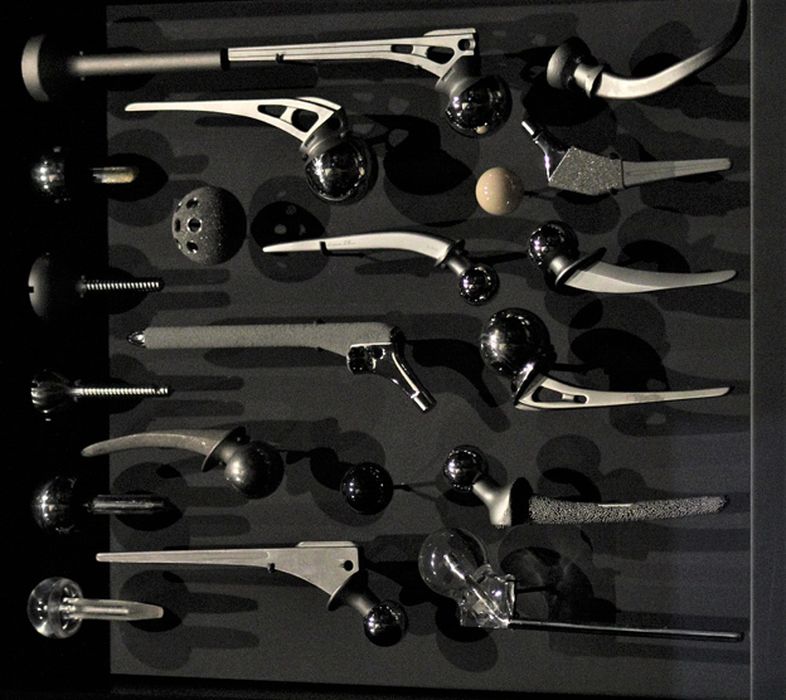
Automation in manufacturing is taking a significant leap forward with the advent of single-piece production for 3D printed orthopedic implants. This breakthrough, explored by industry experts Anthony Palumbo and Charles R. Goulding, signals a potential paradigm shift in how medical devices are produced, offering enhanced efficiency and responsiveness.
What Happened
Automation in the 3D printing industry is evolving, with single-piece production emerging as a transformative approach for manufacturing orthopedic implants. This method involves automating the entire production process for each implant, from design to final product, in a continuous flow. By eliminating the need for batch processing, manufacturers can achieve just-in-time production, reducing inventory costs and increasing the flexibility to meet specific patient needs. This innovation is particularly relevant in the orthopedic sector, where customization and rapid response to patient requirements are crucial.
Historically, the production of orthopedic implants has been a complex and time-consuming process, often involving multiple stages and significant manual intervention. The shift to an automated, single-piece production model offers a streamlined approach, potentially reducing production times and minimizing errors. This can lead to significant cost savings and improved outcomes for both manufacturers and patients.
What This Means for Your Business
For businesses operating in the AECM and government contracting sectors, the implications of this technological advancement are profound. The adoption of single-piece automation could lead to a radical reduction in lead times and operational costs, providing a competitive edge in the highly regulated medical device market. Companies that invest in this technology may benefit from increased efficiency and the ability to offer more personalized solutions to healthcare providers.
Moreover, the integration of automated production processes aligns with current compliance requirements, such as those outlined in CMMC and NIST frameworks, by enhancing traceability and quality control. This not only ensures adherence to regulatory standards but also positions manufacturers favorably in government procurement processes.
What US Operators Should Watch
As this technology continues to develop, US operators should closely monitor advancements in automation software and hardware that support single-piece production. Staying abreast of federal funding opportunities for research and development in this area could also provide strategic advantages. Additionally, operators should be prepared for upcoming regulatory changes that may impact the implementation of automated production systems, ensuring they remain compliant and competitive.
Source: https://www.fabbaloo.com/news/how-single-piece-automation-could-transform-3d-printed-orthopedic-implant-manufacturing. Read the original story ->
Partner Insight · VisioneerIT
The advancements in single-piece production and automated processes in manufacturing align closely with the capabilities offered by VisioneerIT in software engineering and digital modernization. By leveraging these technologies, businesses can enhance their operational efficiency and adapt to evolving market demands.
Explore VisioneerIT Cybersecurity. →
Is your firm ready for what’s next?
VisioneerIT helps AECM and government contractors modernize operations, achieve compliance, and implement AI.
Explore VisioneerIT Solutions →