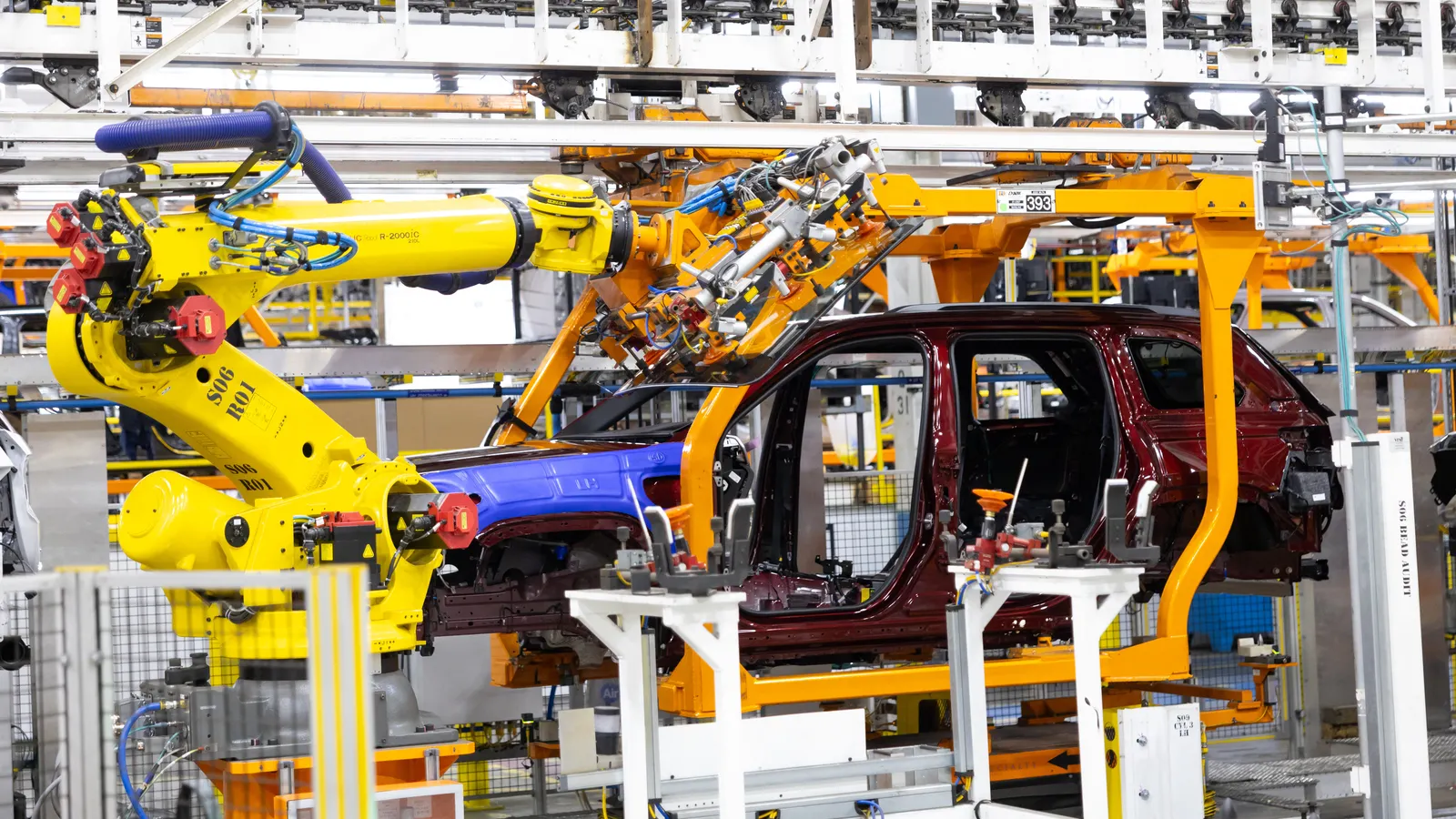
Physical AI systems are pushing the boundaries of silicon design, demanding a departure from traditional one-processor models. This shift is driven by the need for these systems to perceive, reason, and act simultaneously, all within stringent real-time latency and power constraints.
What Happened
The challenge with physical AI systems lies in their need to handle diverse workloads that traditional single-processor architectures cannot efficiently manage. These systems must integrate perception, reasoning, and action in real time, which necessitates a more complex and nuanced approach to silicon design. This complexity is further compounded by the need for security to be a lifecycle consideration, spanning safety-critical operations and involving multi-vendor supply chains. The gap between trained AI models and their deployable silicon counterparts is widening, necessitating innovative engineering solutions.
What This Means for Your Business
For businesses within the AECM industry, this evolution in silicon design offers both challenges and opportunities. Companies involved in the production of AI systems will need to invest in new design methodologies and tools to remain competitive. The need for lifecycle security also implies stricter compliance requirements, particularly in sectors handling sensitive data or operating in safety-critical environments. This could lead to increased costs but also opens opportunities for those who can offer robust, secure solutions. Furthermore, businesses that can adapt to these new design paradigms may find themselves at a competitive advantage, offering more efficient and capable AI solutions.
What US Operators Should Watch
US operators should closely watch for advancements in silicon design tools and methodologies that cater to the needs of physical AI. Staying abreast of developments in lifecycle security measures and compliance requirements will be crucial, particularly as regulatory frameworks evolve to address these new technological challenges. Additionally, businesses should monitor collaboration opportunities with semiconductor manufacturers and AI developers to leverage the latest innovations in physical AI system design.
Source: EE Times. Read the original story ->
Is your firm ready for what’s next?
VisioneerIT helps AECM and government contractors modernize operations, achieve compliance, and implement AI.
Explore VisioneerIT Solutions →