Siemens is pioneering a transformative leap in additive manufacturing by leveraging agentic AI to automate and optimize workflows, marking a significant milestone in the industrial application of artificial intelligence. The German technology conglomerate unveiled the first steps of this innovation at Formnext 2026, aiming to streamline processes from engineering to production and eliminate manual handoffs.
What Happened
Siemens, in collaboration with Shanghai-based AGIBOT, has developed an AI-driven workflow that can autonomously manage the design and manufacturing of complex parts. A key demonstration involved designing a 3D-printed gripper for humanoid robots. This process begins when the user inputs the task requirements in plain language, after which the AI selects the appropriate gripper type, adjusts its geometry, simulates the design, and prepares the data for 3D printing. This seamless integration is facilitated by the Model Context Protocol (MCP), which allows the AI to access engineering software functions, making sophisticated engineering tasks accessible to a broader user base.
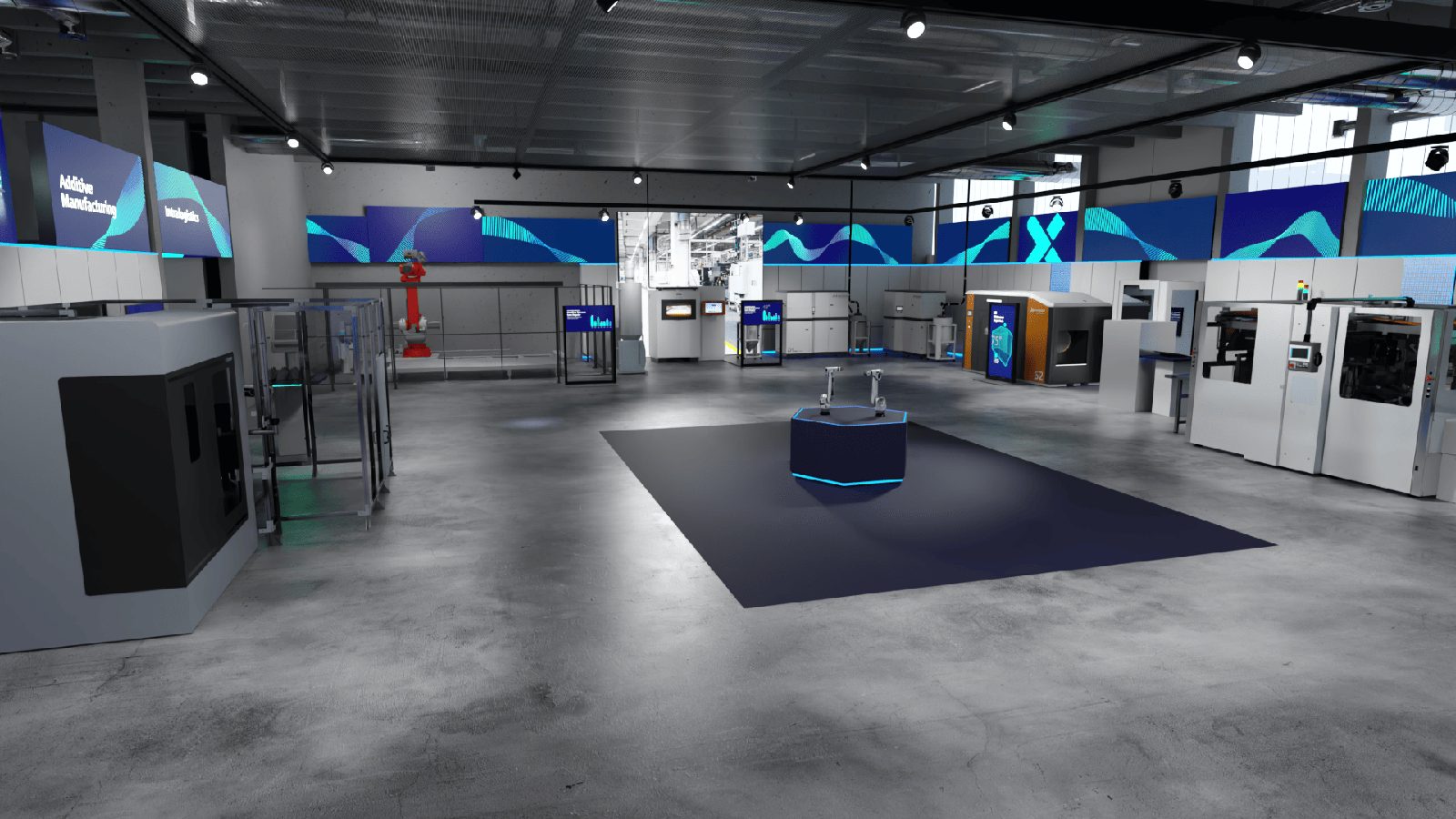
In addition to software advancements, Siemens is developing an adaptive production cell at its Electronics Factory in Erlangen, Germany. This cell, in partnership with EOS and AM Solutions, integrates additive manufacturing, automation, and post-processing into a cohesive process chain. The goal is to process diverse components while maintaining scalability and repeatability, thereby enhancing the efficiency of downstream processing steps.
What This Means for Your Business
For decision-makers in the AECM sector, Siemens’ advances signal a paradigm shift in manufacturing efficiency and flexibility. The integration of AI into additive manufacturing can significantly reduce design cycle times and production costs by automating traditionally manual tasks. This development aligns with the push towards Industry 4.0, where intelligent and adaptive manufacturing becomes the norm.
Companies engaged in government contracting or large-scale manufacturing can leverage these technologies to enhance their competitive positioning. The integration of AI and additive manufacturing offers a pathway to meet stringent compliance requirements, such as those outlined by CMMC and NIST, by ensuring traceability and quality control throughout the production process.
What US Operators Should Watch
Operators should monitor the deployment and performance of Siemens' adaptive production cell, as it may set a new standard for industrial manufacturing processes. Staying abreast of developments in AI-driven design and manufacturing tools, such as the AM I Navigator, will be crucial for identifying suitable AI applications and defining pilot projects. These advancements could open new procurement windows and federal funding opportunities, offering a strategic advantage to early adopters.
Source: https://3dadept.com/siemens-industrial-ai-additive-manufacturing/
Partner Insight · VisioneerIT
The integration of AI in manufacturing processes, as highlighted in Siemens' advancements, aligns with the need for robust cybersecurity measures to protect sensitive data and ensure compliance with standards like CMMC. Companies adopting these technologies must prioritize cybersecurity to safeguard their innovations and maintain competitive advantages.
Explore VisioneerIT Cybersecurity →
Is your firm ready for what’s next?
VisioneerIT helps AECM and government contractors modernize operations, achieve compliance, and implement AI.
Explore VisioneerIT Solutions →