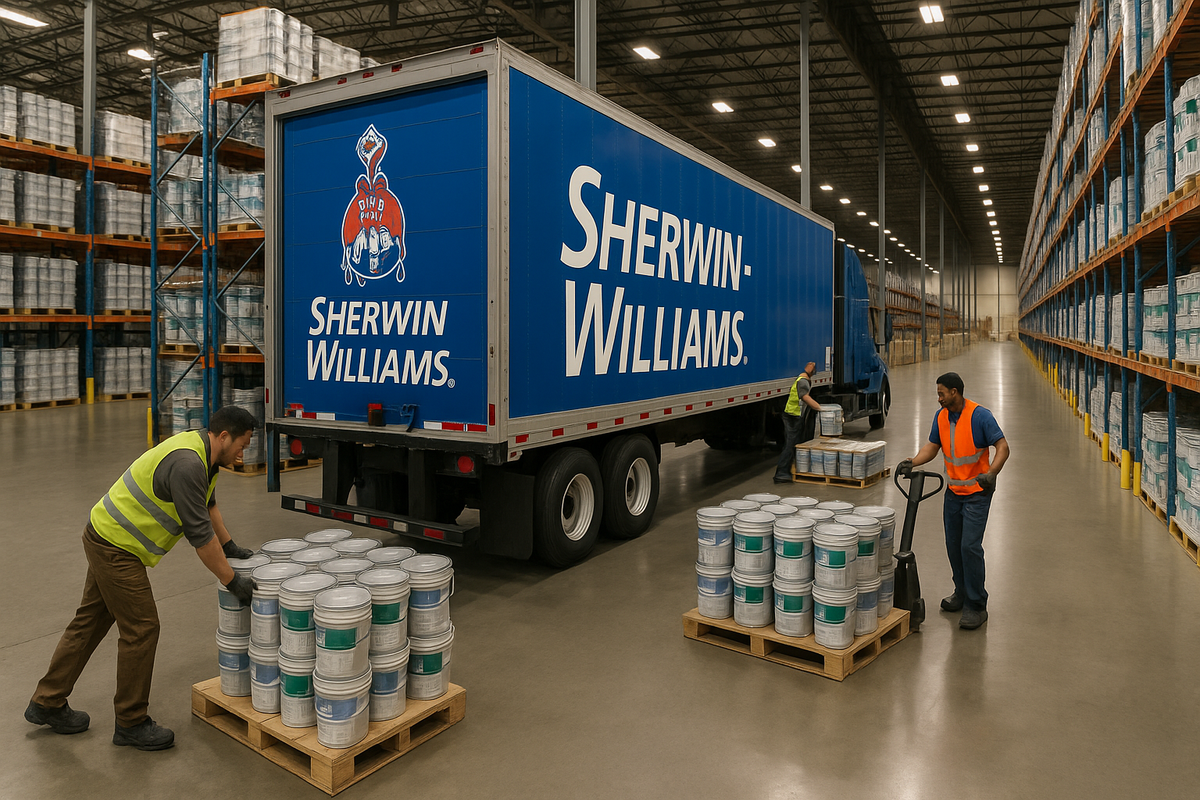
Sherwin-Williams has strategically partnered with ITS Logistics to enhance its outbound logistics capabilities from its Nevada distribution center. This collaboration is a proactive measure to address capacity challenges and ensure efficient delivery during peak demand periods.
What Happened
Sherwin-Williams, a major player in the paint and coatings industry, has teamed up with ITS Logistics to bolster its transportation network from the Nevada distribution center. This move comes as a response to growing capacity constraints that have become more pronounced during peak seasons. The partnership aims to streamline the distribution process, ensuring that Sherwin-Williams can meet customer demands without disruption. ITS Logistics brings its expertise in managing complex supply chains, providing Sherwin-Williams with a robust solution to increase outbound volume efficiently.
Why It Matters for the AECM Industry
For professionals in the architecture, engineering, construction, and manufacturing sectors, the reliability of supply chains is crucial, especially during peak construction periods when demand for materials like paint surges. Sherwin-Williams' initiative to partner with a dedicated logistics provider can lead to more dependable delivery schedules and availability of products, thereby reducing project delays and ensuring smoother operations. Moreover, this partnership exemplifies how manufacturers can proactively address logistical bottlenecks, which is vital in maintaining competitive advantage and customer satisfaction in an industry where timing is critical.
What's Next
As Sherwin-Williams and ITS Logistics continue to refine their partnership, industry professionals should monitor the impact on delivery times and product availability. This collaboration could set a precedent for other manufacturers facing similar capacity issues, potentially leading to a trend of strategic partnerships in logistics. Keeping an eye on further developments and potential expansions of this initiative will be essential for those looking to optimize their supply chain strategies. Manufacturing sector trends could be influenced by such strategic alliances.
Is your firm ready for what’s next?
VisioneerIT helps AECM and government contractors modernize operations, achieve compliance, and implement AI.
Explore VisioneerIT Solutions →