A new environmental permitting reform bill, hailed by manufacturing groups as a significant step forward, is poised for consideration in the Senate. The Bipartisan American Affordability and Jobs Act of 2026 promises to streamline the permitting process for major infrastructure projects, a move that could dramatically reduce delays and costs. With bipartisan support, this legislation arrives at a crucial time for the industry, offering potential relief from regulatory bottlenecks that have long hindered project timelines and increased expenses.
What Happened
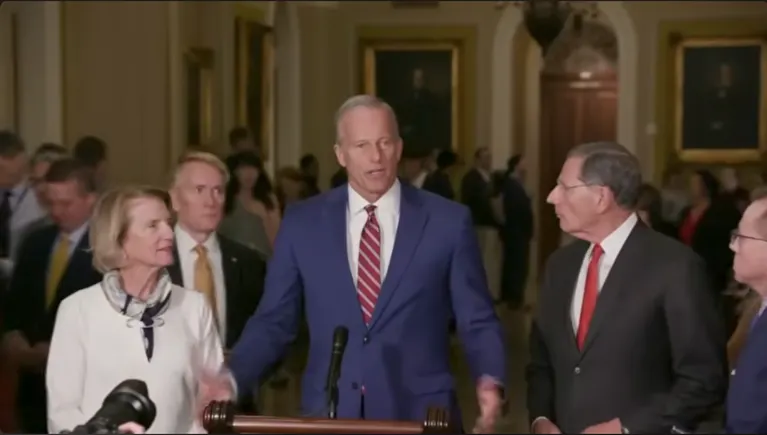
The bill, introduced on September 30, 2026, by Senators Martin Heinrich, Mike Lee, Shelley Moore Capito, and Sheldon Whitehouse, aims to overhaul the current permitting process under the National Environmental Policy Act (NEPA). It proposes to narrow the scope of "major federal actions" that require NEPA review, specifically excluding projects with minimal federal involvement or those funded through specific federal loans or guarantees. For projects still requiring NEPA evaluation, the bill sets strict deadlines: two years for an environmental impact statement and one year for an environmental assessment.
To enhance transparency and efficiency, the bill mandates the creation of a "unified interagency data system". This system would facilitate real-time tracking of environmental reviews and allow project sponsors to submit necessary documentation more efficiently. Furthermore, the bill introduces a 150-day limit for filing claims under various environmental laws and restricts the conditions under which a court can halt a project.
The proposed legislation also establishes a Permitting Improvement Fund, allocating $20 million annually through fiscal year 2033 to aid agencies in timely review and authorization processes. Additionally, it seeks to safeguard previously granted permits from being rescinded without valid cause and accelerates the permitting process for projects on federal lands.
What This Means for Your Business
For businesses in the architecture, engineering, construction, and manufacturing sectors, the implications of this bill are substantial. Streamlining the permitting process could lead to faster project approvals, reducing the time and financial resources currently spent navigating complex regulatory landscapes. This efficiency could result in increased investment opportunities, as the risk and uncertainty associated with long project delays are mitigated.
The establishment of a unified data system could also simplify compliance management, reducing administrative burdens and the potential for costly project interruptions. Companies involved in federal projects should prepare for these changes by ensuring their compliance systems are robust and adaptable to new requirements.
What US Operators Should Watch
Key deadlines and regulatory changes outlined in this bill should be closely monitored. The two-year and one-year deadlines for environmental impact statements and assessments, respectively, will require proactive planning and coordination with permitting agencies. Additionally, the annual $20 million Permitting Improvement Fund presents an opportunity for companies to engage with and possibly influence the allocation of resources towards their projects.
Operators should also be aware of the 150-day claim filing deadline and the limitations on legal challenges, which could impact project timelines and legal strategies. Staying informed about the bill’s progress through the Senate and any amendments will be critical for strategic planning and competitive positioning.
Source: Manufacturing Dive. Read the original story ->
Is your firm ready for what’s next?
VisioneerIT helps AECM and government contractors modernize operations, achieve compliance, and implement AI.
Explore VisioneerIT Solutions →