Sabine Marcelis's Rotterdam loft apartment is a testament to adaptive design, illustrating how residential spaces can evolve alongside their inhabitants. This approach not only reflects a personal lifestyle choice but also signals a broader trend in architecture towards flexible living environments, crucial for professionals in the architecture, engineering, and construction (AEC) sectors.
What Happened
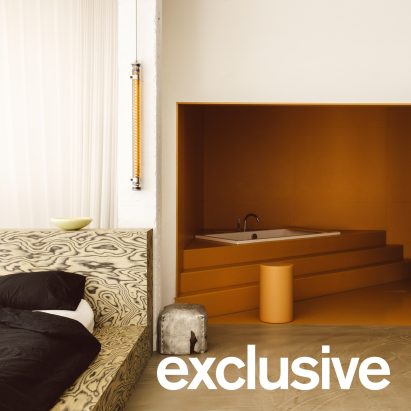
Renowned designer Sabine Marcelis has transformed her Rotterdam loft into a dynamic living space that continuously adapts to her family's needs. Collaborating with her architect partner, Paul Cournet, Marcelis has incorporated unique elements like a self-designed resin bathtub and a three-meter-tall lava lamp, showcasing her signature style. The couple's approach to their home is a metaphor for their life philosophy, emphasizing fluidity and transformation. This project highlights a shift towards personalized, evolving interior spaces that cater to changing lifestyles and preferences.
What This Means for Your Business
For AEC professionals, Marcelis's evolving loft offers insights into the growing demand for adaptable residential designs. This concept aligns with current market trends that prioritize flexibility and sustainability, presenting opportunities for architects and construction companies to innovate in custom solutions that address shifting client needs. The emphasis on adaptive design could lead to increased demand for modular construction techniques and sustainable materials, thus impacting procurement strategies. Additionally, incorporating such design philosophies may enhance competitive positioning by appealing to clients seeking modern, versatile living spaces.
What US Operators Should Watch
US operators should monitor advancements in modular construction technologies and sustainable materials that facilitate adaptive design. Keeping abreast of these developments will be crucial for meeting client expectations and maintaining a competitive edge in the AEC industry. Additionally, tracking consumer preferences for flexible living environments can guide strategic planning and investment in new design and construction methodologies.
Source: https://www.dezeen.com/2026/06/30/sabine-marcelis-rotterdam-loft-apartment/. Read the original story ->
Is your firm ready for what’s next?
VisioneerIT helps AECM and government contractors modernize operations, achieve compliance, and implement AI.
Explore VisioneerIT Solutions →