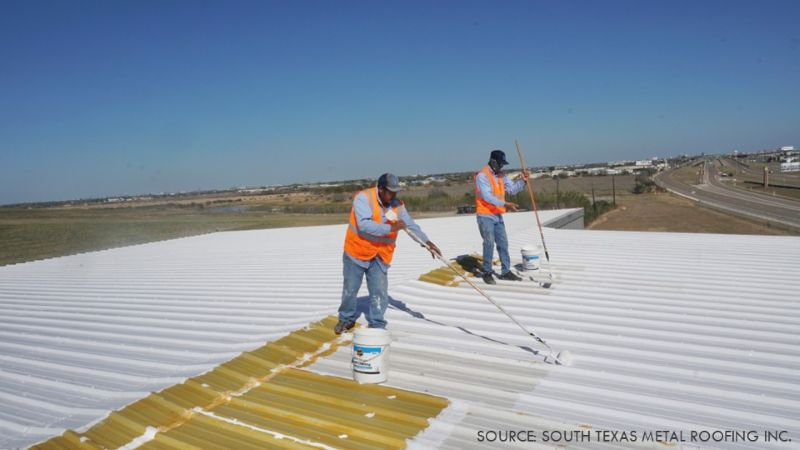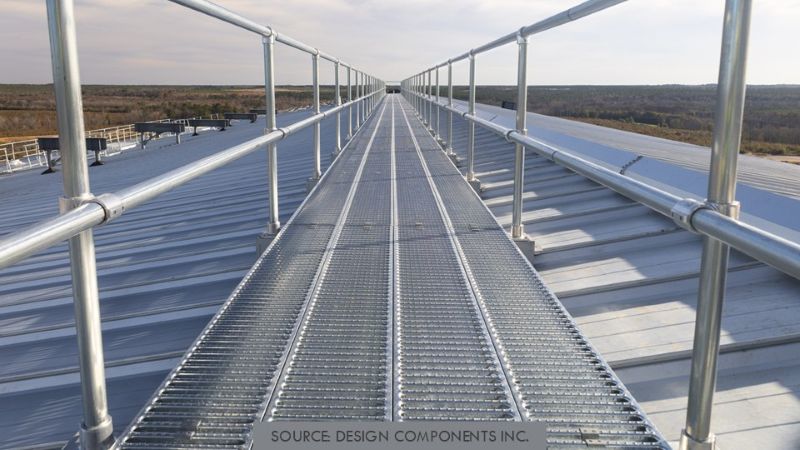
Without designated pathways, personnel often choose the most direct route, which may take them unnecessarily close to roof edges or across areas not intended for repeated foot traffic. The question is not whether someone will walk on a roof, but whether that access was planned ahead of time. A metal roof may be designed to provide decades of service, but very few roofs go through their entire life without repeated foot traffic. HVAC technicians, electricians, inspectors, solar contractors, and maintenance personnel all need routine access to rooftop equipment. Without a planned access strategy, those routine visits can create safety challenges, unnecessary wear, and long-term impacts to the roofing system. Architects carefully design hallways inside a building because they know people need safe, predictable routes to move from one location to another. Metal roofs deserve the same consideration. Once construction is complete, the roof effectively becomes another workspace—one that may be accessed hundreds of times throughout its service life. Without a designated access route, maintenance personnel naturally take the shortest path from Point A to Point B. Over time, those repeated trips create traffic patterns that can impact both worker safety and the long-term performance of the roofing system. A planned rooftop access strategy—centered around designated walkway systems—helps address those challenges while protecting one of the structure’s biggest investments.
What Happened
A recent analysis by Metal Construction News highlights the importance of planning rooftop access strategies for metal roofs to ensure both safety and longevity. The report stresses that, much like interior hallways, roofs require designated pathways to direct foot traffic safely and prevent damage. The absence of planned access routes can lead to safety hazards and potential damage to the roofing system, as maintenance personnel often take the shortest path, which may not be the safest or most sustainable.
What This Means for Your Business
For businesses in construction and facility management, integrating designated rooftop access pathways can significantly enhance safety compliance and extend the lifespan of roofing investments. By implementing a structured access plan, companies can mitigate risks associated with unauthorized or unplanned rooftop foot traffic. This strategic move not only aligns with compliance standards but also optimizes the return on investment for roofing systems by minimizing damage and maintenance costs over time. Additionally, ensuring safe access routes can improve worker safety and operational efficiency, reducing liability and potential downtime due to accidents or roof repairs.
What US Operators Should Watch
As the industry increasingly recognizes the importance of designated rooftop pathways, operators should anticipate potential updates in safety regulations and compliance requirements. Monitoring developments in building codes related to rooftop access and maintenance could provide early insights into necessary adaptations in construction practices. Additionally, businesses should keep an eye on advancements in materials and design technologies that may offer innovative solutions for creating effective rooftop access systems.
Source: https://www.metalconstructionnews.com/main-slider/every-roof-is-also-a-workspace/. Read the original story ->
Is your firm ready for what’s next?
VisioneerIT helps AECM and government contractors modernize operations, achieve compliance, and implement AI.
Explore VisioneerIT Solutions →