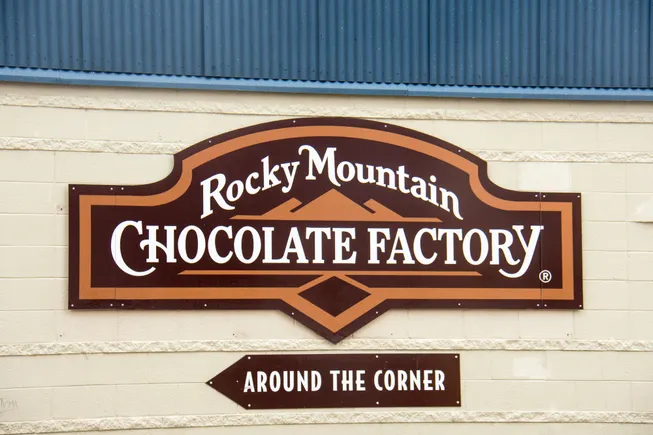
Rocky Mountain Chocolate Factory has entered into a $6.6 million sale-leaseback deal for its Durango, Colorado facility. This strategic move is designed to alleviate the company's existing debt and enhance its financial stability in a challenging market.
What Happened
Rocky Mountain Chocolate Factory, a prominent chocolate maker and franchisor, has finalized a $6.6 million sale-leaseback agreement involving its production and warehouse facility in Durango, Colorado. The property serves as the company’s headquarters and production site. American Heritage Legacies, controlled by the family of interim CEO Allen Harper, acquired the property. Harper recused himself from the review process, ensuring the transaction was supported by an independent appraisal. The deal allows the company to repay $6.6 million in outstanding promissory notes. Under the terms of the agreement, Rocky Mountain Chocolate Factory will lease the facility for an initial 10-year term, with an option to renew for another decade. The initial rent is set at $624,000, with a 2% annual increase.
This transaction is part of a broader strategy to stabilize the company's finances. Over recent years, the company has implemented various supply chain improvements, such as freight pricing adjustments, outsourcing packing operations, and reducing less popular product lines. The sale-leaseback is a continuation of these efforts, aimed at securing a sustainable financial foundation. The company reported a $1.2 million net loss for the quarter ending May 31, with revenue declines attributed to lower royalty and marketing fees.
What This Means for Your Business
For businesses in the AECM and government contracting sectors, this move signals a growing trend of sale-leaseback transactions in the logistics and manufacturing industries. These transactions provide companies the opportunity to unlock capital tied up in real estate, allowing them to invest in growth, automation, and supply chain improvements while maintaining operational control of their facilities. For contractors and suppliers, this could mean an increase in demand for services related to facility upgrades and automation as companies reinvest capital.
Additionally, the financial restructuring seen at Rocky Mountain Chocolate Factory highlights the importance of strategic financial planning and the potential benefits of sale-leaseback agreements. Companies facing similar financial challenges may consider this strategy to enhance liquidity and reduce debt while still retaining critical operational infrastructure.
What US Operators Should Watch
Operators should monitor the increasing prevalence of sale-leaseback deals in the market, as they can offer insights into potential capital-raising strategies. Staying informed about the financial health and strategic moves of key players like Rocky Mountain Chocolate Factory can provide competitive advantages. Furthermore, attention should be paid to any regulatory changes or opportunities that might arise from such transactions, particularly in the context of real estate and financial compliance.
Source: Supply Chain Dive
Is your firm ready for what’s next?
VisioneerIT helps AECM and government contractors modernize operations, achieve compliance, and implement AI.
Explore VisioneerIT Solutions →