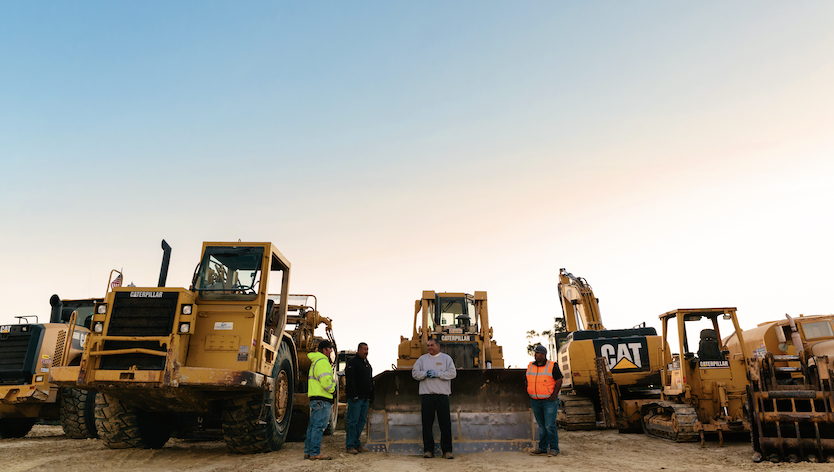
Construction robots, once a futuristic concept, are becoming a practical reality on job sites worldwide. With artificial intelligence and machine learning making robotic hardware more affordable, the construction industry is poised for a technological revolution. This shift comes as the sector grapples with labor shortages, pushing companies to adopt automation to meet demand and improve efficiency.
What Happened
The development and deployment of construction robots have been ongoing since the 1960s, but recent advancements in AI and machine learning have accelerated their integration into the industry. Japanese firms like Shimizu Corporation, Obayashi Corporation, and Takenaka Corporation were pioneers in this field, creating robots for tasks such as excavating, material handling, and concrete work. Today, these technologies have evolved further, encompassing advanced automation tools, 3D printing, and autonomous vehicles.
Construction robots are now categorized based on their operational environments. Off-site production robots handle tasks like welding and timber assembly in controlled settings, while on-site robots manage assembly processes such as bricklaying and rebar tying. Demolition robots dominate the market, accounting for 90% of on-site construction robots. Additionally, 3D printing robots and data collectors, including drones, are transforming how projects are executed and monitored.
Why It Matters for the AECM Industry
The integration of robotics into construction presents several benefits for the AECM industry. First, it addresses the chronic shortage of skilled labor, enabling projects to proceed without the delays caused by workforce limitations. Robots can perform repetitive and hazardous tasks efficiently, reducing the risk of injuries and improving safety on sites. Moreover, with robotics enhancing precision and reducing waste, projects can achieve better sustainability outcomes.
For project managers and contractors, the adoption of construction robotics can lead to significant cost savings and schedule improvements. Automated systems minimize human error and ensure consistent quality, which can enhance competitiveness in a market increasingly driven by efficiency and innovation.
What's Next
The future of construction robotics promises even greater advancements. While autonomous cranes are not yet common, they are expected to be on construction sites within a few years. Autonomous vehicles and heavy equipment are also set to become standard in infrastructure and building projects, further automating the construction process.
Construction professionals should keep an eye on these developments, investing in training and upskilling to harness the full potential of robotics. Courses like "Construction Robotics Today" offer valuable insights into the latest technologies, preparing decision-makers to remain competitive in a rapidly changing industry landscape.
Is your firm ready for what’s next?
VisioneerIT helps AECM and government contractors modernize operations, achieve compliance, and implement AI.
Explore VisioneerIT Solutions →