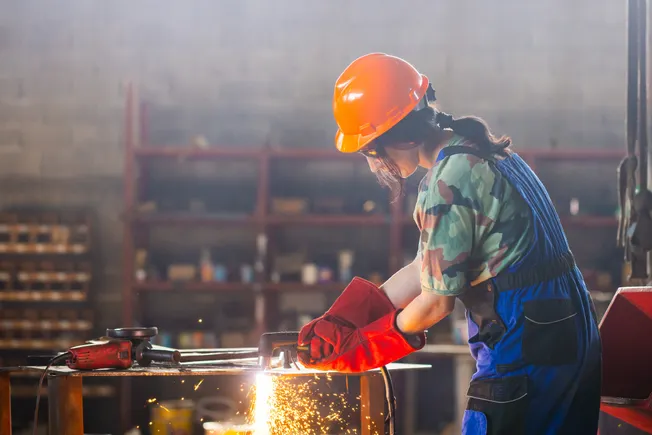
The integration of robots into the manufacturing sector is not about replacing human workers but enhancing their capabilities. This shift in perspective is crucial as the industry faces a significant transformation.
What Happened
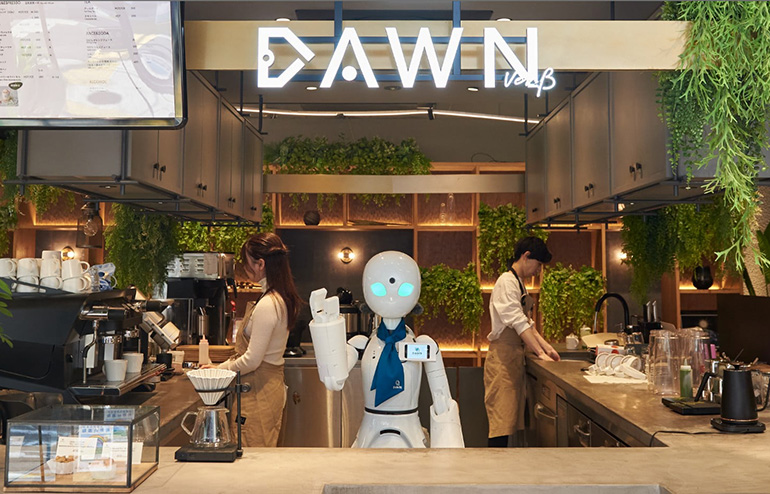
Robots are becoming increasingly prevalent in manufacturing, with over 542,000 units installed in 2024, more than doubling the number from a decade ago, according to the International Federation of Robotics. This surge reflects a growing trend of utilizing robots for quality improvements rather than mere efficiency gains. Despite fears of job displacement, robots are showing potential in creating new roles and opportunities within the industry. In Japan, initiatives like the Dawn cafe, where individuals with disabilities teleoperate robots, highlight the potential for human-robot collaboration, suggesting a future where automation supports rather than supplants the workforce.
What This Means for Your Business
For business leaders in the architecture, engineering, construction, and manufacturing (AECM) sectors, the integration of robotics signifies a pivotal change in operational dynamics. As robots take on repetitive and lower-stakes tasks, human workers can focus on strategic roles that require creativity, problem-solving, and critical thinking. This shift necessitates a reevaluation of workforce skills, emphasizing the need for employees who can think like data scientists, engineers, and strategists. For companies, this means investing in training and development to equip their workforce with the skills needed to thrive in a robot-enhanced environment. Additionally, the adoption of robotics can lead to improved quality control and efficiency, offering a competitive edge in the global market.
What US Operators Should Watch
US operators should closely monitor developments in robotics technology and the evolving regulatory landscape. As the industry moves towards greater automation, keeping abreast of compliance requirements, such as the Cybersecurity Maturity Model Certification (CMMC) and National Institute of Standards and Technology (NIST) guidelines, will be critical. Moreover, understanding the timelines for federal funding opportunities and procurement windows can position companies to capitalize on government contracts and incentives for adopting advanced manufacturing technologies.
Source: https://www.therobotreport.com/robots-can-enhance-manufacturing-workers-rather-than-replace-them/. Read the original story ->
Is your firm ready for what’s next?
VisioneerIT helps AECM and government contractors modernize operations, achieve compliance, and implement AI.
Explore VisioneerIT Solutions →