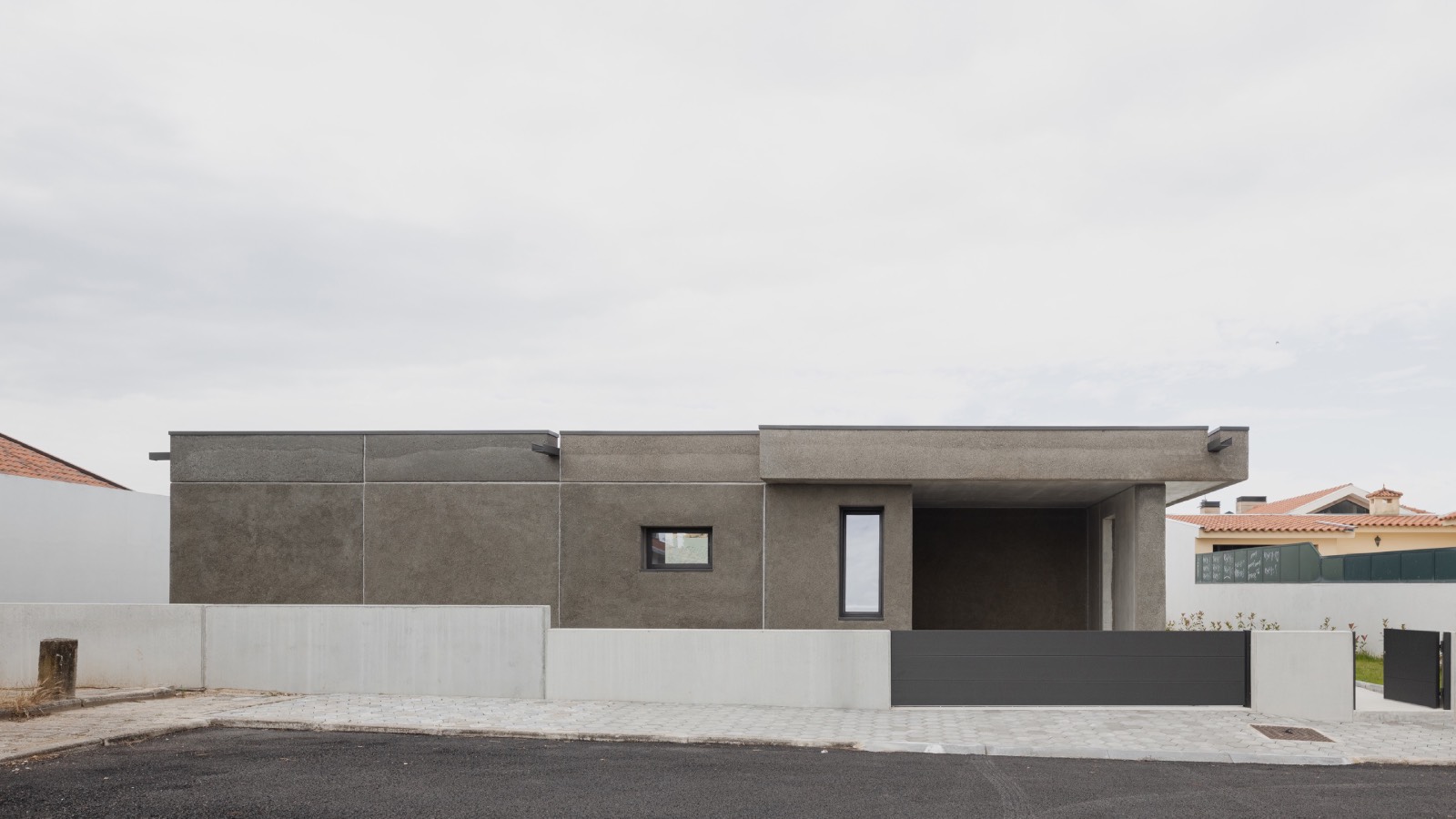
Summary architecture studio, based in Porto, Portugal, has unveiled an innovative approach to sustainable building by using prefabricated panels made from discarded rice husks. This development, exemplified by the recently completed Rice Husk House in Esmoriz, offers an eco-friendly alternative to traditional construction materials, reducing waste and enhancing thermal efficiency.
What Happened
In a bid to address the environmental impact of agricultural waste, Summary architecture studio has reimagined rice husks — a byproduct of rice production typically destined for burning or landfills — as a viable building material. Led by architect Samuel Gonçalves, the firm constructed the Rice Husk House using prefabricated panels made of reinforced concrete and a cement-based composite incorporating rice husks. These panels, fabricated off-site, feature a 23-centimetre-thick outer layer that provides both cladding and insulation, achieving a significant thermal resistance of 1.877 m²K/W. This innovation eliminates the need for conventional EPS or XPS foam insulation boards, offering a minimalist, brutalist aesthetic while promoting sustainability.
The modules were assembled in a factory during site preparation, which included earthworks, excavation, and foundation construction, to minimize build time. The panels arrived on-site with portions of the electrical and plumbing systems pre-installed, demonstrating the efficiency of this modular approach. The design of the home also supports natural cross-ventilation and optimal solar exposure, further enhancing energy efficiency.
What This Means for Your Business
For AECM professionals, the use of rice husk composite panels marks a significant shift towards sustainable construction practices. This method not only reduces the carbon footprint associated with traditional building materials but also offers potential cost savings in terms of insulation and energy efficiency. As governments and industries increasingly prioritize sustainability, embracing such innovative materials could provide a competitive edge in securing contracts and meeting regulatory requirements. Moreover, the prefabrication process can streamline construction timelines, potentially reducing labor costs and increasing project turnover rates.
What US Operators Should Watch
US operators should monitor developments in bio-based construction materials and consider the implications for compliance with sustainability standards and certifications. As federal and state governments continue to incentivize green building practices, there may be opportunities for funding and support for projects utilizing innovative materials like rice husk composites. Staying informed about advancements in prefabrication technology and sustainable materials will be crucial for maintaining a competitive advantage in the evolving construction landscape.
Source: https://www.azuremagazine.com/article/rice-husk-house-summary/. Read the original story ->
Is your firm ready for what’s next?
VisioneerIT helps AECM and government contractors modernize operations, achieve compliance, and implement AI.
Explore VisioneerIT Solutions →