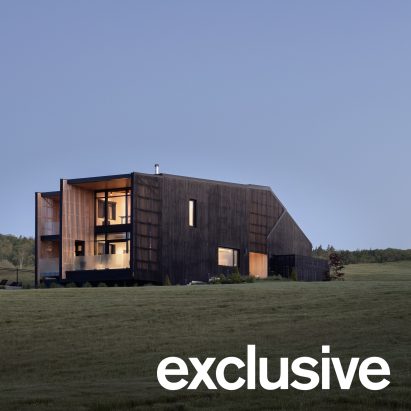
Canadian studio RHAD Architects has unveiled the Two Bay House in Nova Scotia, a striking architectural masterpiece that blends modern design with traditional materials. This innovative project, located on Cape Breton Island, utilizes mass-timber framing and blackened wood cladding, setting a new standard for sustainable and aesthetic architecture in the region.
What Happened
RHAD Architects has completed the Two Bay House, a residence designed to integrate seamlessly with its natural surroundings while offering a modern and minimalist aesthetic. The house features blocky volumes and carved-out voids, creating a visual impact that is both striking and harmonious. The use of mass-timber framing is not only a nod to sustainability but also provides structural integrity and warmth. The blackened wood cladding gives the house a quiet, monolithic presence, blending with the natural landscape of Cape Breton Island. The project began with two simple masses that were strategically developed to create an inviting yet private living space.
What This Means for Your Business
For AECM professionals, the Two Bay House represents a significant case study in the application of sustainable materials and innovative design techniques. The use of mass-timber framing aligns with growing trends in sustainable construction, offering both environmental benefits and aesthetic value. This approach can enhance competitive positioning for firms looking to differentiate their offerings in the market. Moreover, the project underscores the importance of integrating architecture with the surrounding environment, a critical consideration for projects seeking to achieve both regulatory compliance and client satisfaction. The success of the Two Bay House could influence procurement strategies, encouraging the adoption of similar materials and design philosophies in future projects.
What US Operators Should Watch
US operators should note the increasing trend towards sustainable materials such as mass timber, which is gaining traction due to its environmental benefits and regulatory support. Keeping abreast of developments in material technology and design innovation will be crucial for staying competitive. Additionally, monitoring federal incentives and funding opportunities for sustainable construction projects could provide significant financial advantages. Engaging with projects that prioritize environmental integration, like the Two Bay House, may also align with upcoming regulatory changes and client demands for sustainable solutions.
Source: https://www.dezeen.com/2026/09/17/rhad-architects-two-bay-house-charred-wood-nova-scotia/. Read the original story ->
Is your firm ready for what’s next?
VisioneerIT helps AECM and government contractors modernize operations, achieve compliance, and implement AI.
Explore VisioneerIT Solutions →