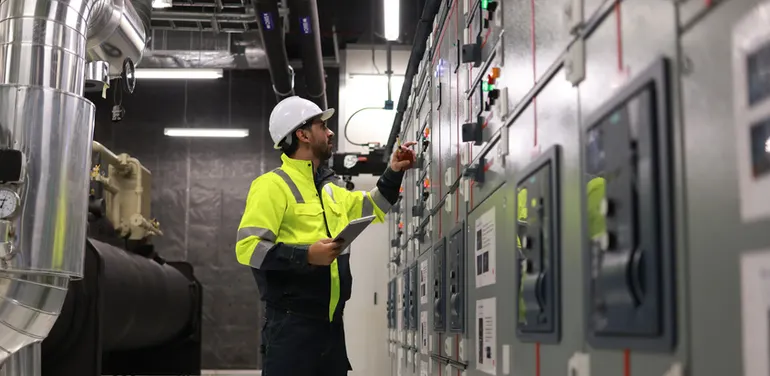
RFID and barcode technologies are revolutionizing operations across the Architecture, Engineering, Construction, and Manufacturing (AECM) industries, offering real-time asset and inventory tracking that reduces downtime and enhances decision-making. As businesses aim to streamline operations, these technologies are becoming essential tools for maintaining efficiency and accuracy.
What Happened
RFID and barcode technologies have become central to modern business operations, providing critical real-time tracking capabilities. Barcode technology, known for its affordability and simplicity, has long been a staple in supply chains and inventory management. It involves scanning printed labels with handheld or fixed scanners, ensuring accuracy and speed in day-to-day workflows.
In contrast, RFID technology automates the tracking process by using radio frequency signals to identify tagged assets without the need for line-of-sight scanning. This allows for multiple items to be read simultaneously, even as they move, eliminating the need for manual input and reducing the potential for human error.
Why It Matters for the AECM Industry
For the AECM sector, the integration of RFID and barcode systems can significantly impact several operational aspects. By providing real-time data, these technologies help reduce production downtime, minimize excess labor costs, and improve inventory accuracy. They also mitigate the risk of asset loss and compliance issues by ensuring that materials and equipment are accounted for at all times.
In a construction context, for example, RFID can track the movement of materials and equipment on-site, ensuring that project timelines are adhered to and reducing the likelihood of costly delays. Manufacturing operations benefit from enhanced visibility into the production process, allowing for more precise scheduling and resource allocation.
What's Next
As RFID and barcode technology continue to evolve, we can expect further advancements in their capabilities and applications. Upcoming developments may include more integrated systems that combine these technologies with other digital tools, such as IoT devices and big data analytics, to provide even deeper insights into operations.
AECM professionals should keep an eye on these technologies as they advance, considerin
Is your firm ready for what’s next?
VisioneerIT helps AECM and government contractors modernize operations, achieve compliance, and implement AI.
Explore VisioneerIT Solutions →