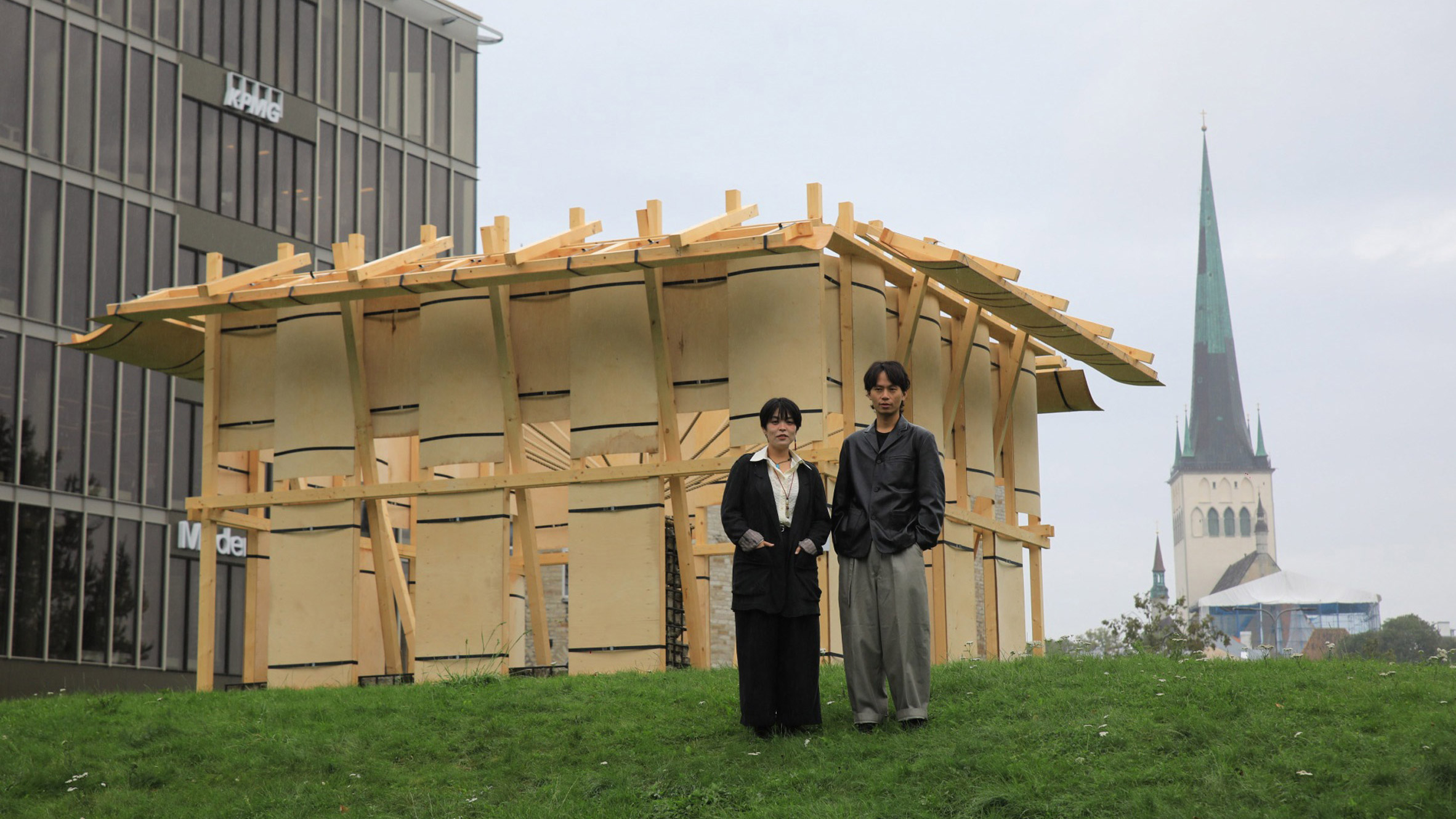
Limestone and plywood have taken center stage at the 2026 Tallinn Architecture Biennale (TAB) with the introduction of the Resonance pavilion, a testament to resourceful design by Shanghai- and Tokyo-based studio Aru Ma- Architects. As the biennale's central pavilion, Resonance highlights how luxury can be crafted from ordinary materials, aligning with this year's theme, "How Much?", which scrutinizes the financial aspects of architectural practice.
What Happened
The Resonance pavilion emerged as the winning design from a competition hosted by the 2026 Tallinn Architecture Biennale, marking a significant achievement for Aru Ma- Architects. Situated outside the Estonian Museum of Architecture, it serves as a focal point for the event. The pavilion's use of standard construction materials in innovative ways was praised by Kertu Johanna Jõeste, an architect at Stuudio Täna, the curatorial team behind the biennale's main exhibition. This approach not only enhances the aesthetic value but also contributes to a broader discourse on sustainable and cost-effective architectural solutions.
What This Means for Your Business
For AECM professionals, the Resonance pavilion exemplifies a growing trend towards sustainable and economically viable construction, which can have profound implications for future projects. The use of commonplace materials like limestone and plywood in novel configurations could lead to cost savings and increased project feasibility. Additionally, the pavilion's success highlights the importance of innovative design in competitive bidding processes, offering insights into how firms might secure future contracts by emphasizing sustainability and cost-efficiency.
What US Operators Should Watch
US AECM professionals should monitor developments from the Tallinn Architecture Biennale as they may influence future design and construction standards globally. Keeping abreast of emerging trends and techniques, such as those showcased by the Resonance pavilion, can provide a competitive edge. Additionally, aligning projects with sustainable practices not only meets increasing regulatory demands but also positions firms favorably in an evolving market landscape where environmental considerations are paramount.
Source: https://www.dezeen.com/2026/10/15/resonance-pavilion-tallinn-architecture-biennale/. Read the original story ->
Is your firm ready for what’s next?
VisioneerIT helps AECM and government contractors modernize operations, achieve compliance, and implement AI.
Explore VisioneerIT Solutions →