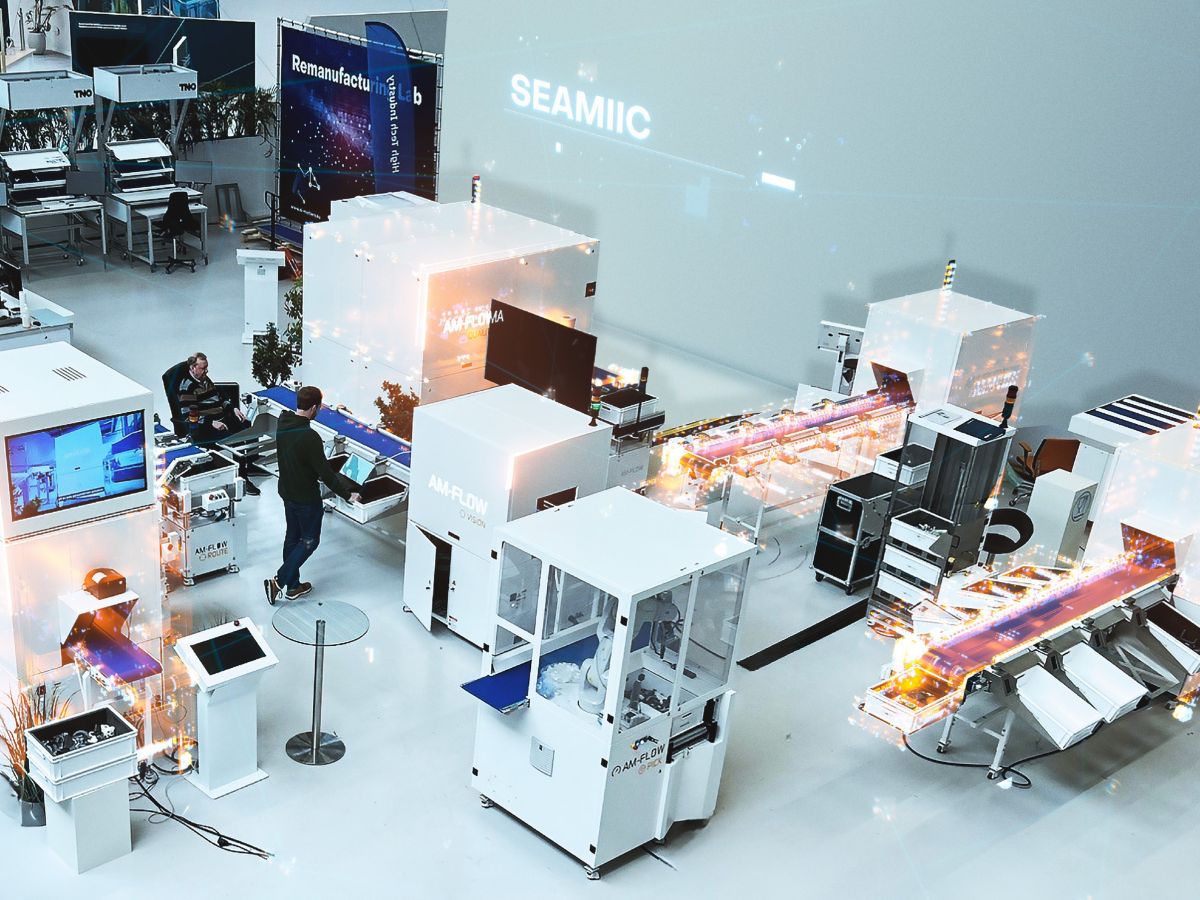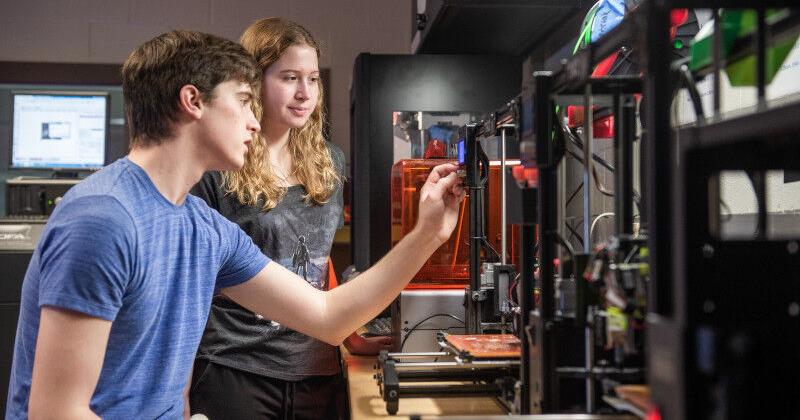
Rensselaer Polytechnic Institute (RPI) is taking significant strides to address the growing skills gap in the U.S. manufacturing sector by focusing on practical training and industry collaboration. This initiative comes at a critical time as manufacturers nationwide face a shortage of skilled workers adept in the latest technologies.
What Happened
Rensselaer Polytechnic Institute has launched a comprehensive program aimed at equipping students with the skills necessary to meet the demands of modern manufacturing environments. By integrating practical training modules and forging partnerships with industry leaders, RPI is setting a precedent in academic-industry collaboration. This approach not only enhances the employability of its graduates but also directly addresses the skill shortages that many manufacturers are currently experiencing.
The program's curriculum is designed to reflect real-world manufacturing challenges and includes hands-on training with state-of-the-art equipment. RPI's initiative is particularly timely as the manufacturing industry is undergoing rapid technological advancements, necessitating a workforce that is adept in areas such as robotics, artificial intelligence, and data analytics.
What This Means for Your Business
For businesses in the architecture, engineering, construction, and manufacturing sectors, RPI’s focus on practical, skills-based education represents a valuable opportunity to bridge the talent gap. Companies may find it beneficial to establish partnerships with institutions like RPI to secure a pipeline of skilled graduates ready to contribute to their operations. Additionally, businesses can leverage these partnerships for workforce development, ensuring that their teams remain competitive and capable of harnessing new technologies.
In terms of compliance, the focus on equipping the workforce with cutting-edge skills aligns with emerging standards like the Cybersecurity Maturity Model Certification (CMMC) and NIST guidelines, which increasingly require a technologically proficient workforce to maintain compliance.
What US Operators Should Watch
As the demand for skilled manufacturing labor continues to rise, U.S. operators should monitor educational programs that emphasize industry collaboration and practical training. These programs could become key sources of recruitment and innovation. Furthermore, keeping an eye on federal funding opportunities for workforce development could provide financial support for businesses looking to invest in training and upskilling initiatives.
Operators should also be aware of upcoming regulatory changes and standards that may impact workforce requirements, particularly in sectors heavily reliant on advanced manufacturing technologies.
Is your firm ready for what’s next?
VisioneerIT helps AECM and government contractors modernize operations, achieve compliance, and implement AI.
Explore VisioneerIT Solutions →