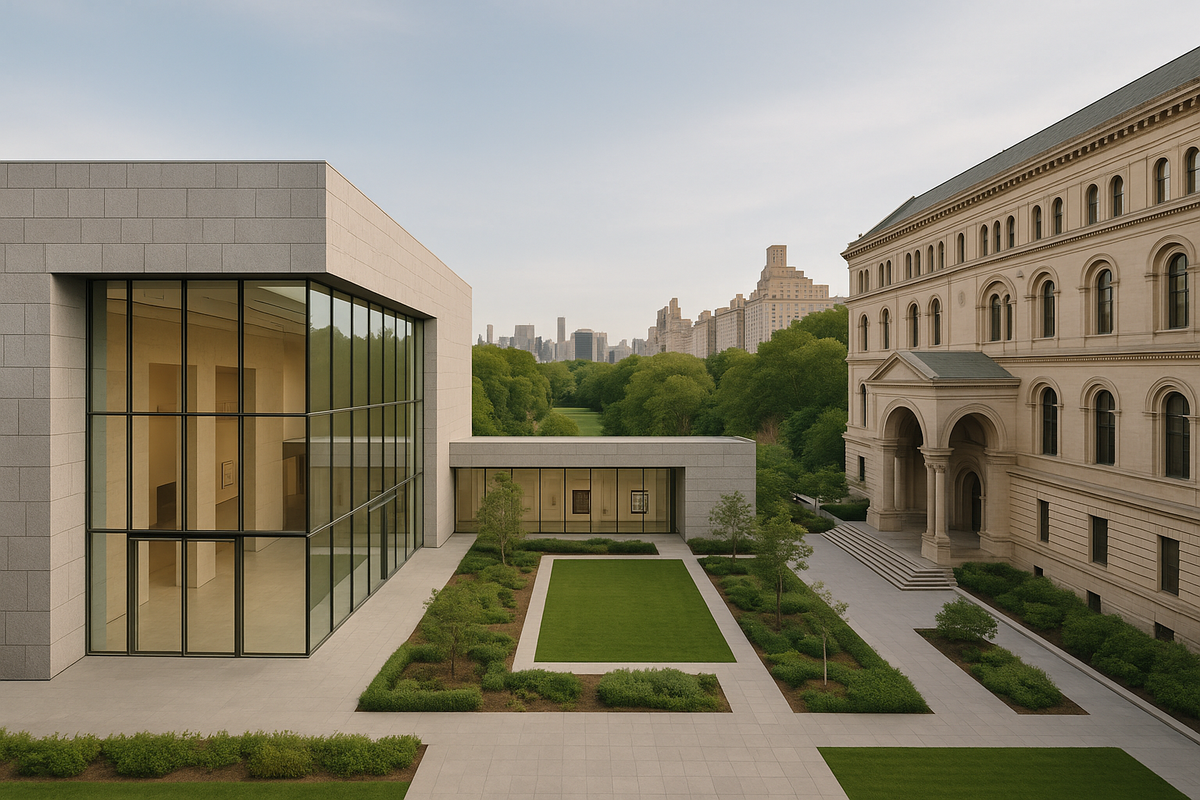
Architecture studio Robert AM Stern Architects (RAMSA) has successfully completed the Tang Wing extension at the New York Historical Museum. This architectural feat, which honors the original early 1900s design, introduces new galleries and exhibition spaces. As the demand for innovative yet respectful architectural designs in historical settings grows, this project sets a precedent for future developments in the field.
What Happened
Robert AM Stern Architects, a renowned name in the architecture world, has unveiled its latest project: the Tang Wing for American Democracy at the New York Historical Museum. The extension is carefully integrated into the existing structure, enhancing the museum's capacity without overshadowing its historical essence. The Tang Wing stands as a testament to RAMSA's commitment to designing spaces that respect historical contexts while meeting modern needs. This project reflects a broader trend in architecture where expansion and modernization efforts are increasingly sensitive to historical integrity.
What This Means for Your Business
The completion of the Tang Wing demonstrates the potential for architectural projects that blend heritage with innovation. For AECM professionals, this project highlights the importance of balancing historical preservation with contemporary functionality. It provides a case study in executing sensitive extensions that maintain the aesthetic continuity of historical sites. Firms involved in similar projects can draw lessons from RAMSA's approach, particularly the significance of aligning new constructions with the architectural language of existing structures. This strategy not only ensures compliance with preservation regulations but also appeals to stakeholders interested in sustainable and respectful development.
What US Operators Should Watch
AECM professionals should monitor the evolving standards for historical preservation projects, particularly in urban environments. As more institutions seek to expand, the demand for expertise in integrating new structures with historical designs will rise. Additionally, staying abreast of regulatory changes and funding opportunities for preservation projects is crucial. Understanding these dynamics will position firms to capitalize on future opportunities in this niche sector.
Source: Dezeen. Read the original story ->
Is your firm ready for what’s next?
VisioneerIT helps AECM and government contractors modernize operations, achieve compliance, and implement AI.
Explore VisioneerIT Solutions →Tracking the right federal opportunities?
OryonIQ's AI platform monitors agency forecasts, contract awards, and procurement timelines — so government contractors always know what’s coming next.
Try OryonIQ Free →