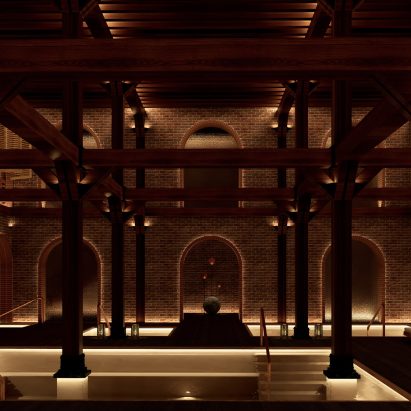
A former railway station in New York City is set for a transformative rebirth as a hotel, thanks to innovative designs from students at Pratt Institute's School of Design. This project is part of a larger initiative showcasing how urban spaces can be repurposed to meet modern needs while preserving historical value. For architecture, engineering, and construction management (AECM) professionals, this represents a significant opportunity to blend heritage with contemporary functionality.
What Happened
The Pratt Institute recently unveiled a series of student projects that rethink the use of urban spaces in New York City, with one standout design transforming a historic train terminal into a hotel. This concept not only preserves the architectural integrity of the former railway station but also introduces a modern hospitality venue tailored to the city's bustling tourism industry. Alongside this, other projects include a wellbeing space that brings attention to existing water systems and outdoor furniture designed to foster communal interactions in urban environments.
What This Means for Your Business
For AECM professionals, the transformation of historical sites into functional modern spaces is a growing trend with significant business implications. Projects like this hotel conversion highlight the demand for innovative design solutions that respect historical architecture while accommodating contemporary needs. This aligns with broader market trends prioritizing sustainable and adaptive reuse of existing structures, offering opportunities for firms specializing in heritage conservation, sustainable design, and urban redevelopment. Moreover, as cities like New York continue to expand, the integration of new hospitality venues within existing urban frameworks can drive economic growth and create new business opportunities.
What US Operators Should Watch
As urban redevelopment projects gain momentum, AECM professionals should monitor emerging trends in adaptive reuse and sustainable architecture. Keeping abreast of federal and state incentive programs for historic preservation and sustainable construction will be crucial. Additionally, firms should prepare for potential compliance requirements associated with preserving historical structures and integrating sustainable practices, ensuring alignment with guidelines such as the National Historic Preservation Act and local zoning regulations.
Source: https://www.dezeen.com/2026/07/20/hotel-new-york-city-train-terminal-projects-pratt-institute-schoolshows/. Read the original story ->
Is your firm ready for what’s next?
VisioneerIT helps AECM and government contractors modernize operations, achieve compliance, and implement AI.
Explore VisioneerIT Solutions →