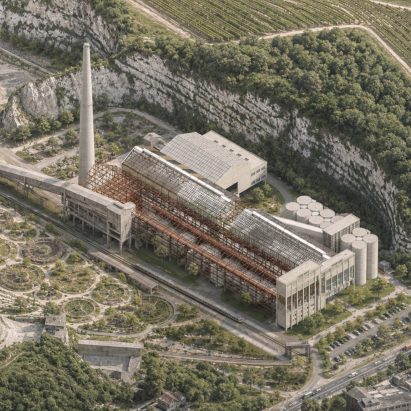
A new wave of architectural innovation is transforming an abandoned cement factory in South Downs into a vibrant winery and cultural hub, as showcased by students from the University of Portsmouth. This project is part of a broader initiative by the University's School of Architecture, Art and Design to explore sustainable urban transformation and adaptive reuse of industrial spaces.
What Happened
The University of Portsmouth’s School of Architecture, Art and Design recently highlighted a series of innovative projects transforming neglected spaces into vibrant community assets. Among them, a former cement factory in South Downs, England, is being repurposed into a winery and cultural hub. This project not only aims to preserve the historical essence of the site but also to inject new life into the local community by creating a multifunctional space that can host events and attract tourists. The initiative is part of the University’s annual showcase, which also includes other projects such as an observation deck made from discarded maritime materials and a community-driven architectural complex for marginalized groups in Berlin.
What This Means for Your Business
The adaptive reuse of industrial sites presents significant opportunities for AECM professionals, particularly in the realms of sustainable architecture and community development. Such projects can lead to lucrative contracts for construction and design firms specializing in eco-friendly and innovative solutions. For government contractors, there’s potential for securing public-private partnerships, especially in projects that align with governmental sustainability goals. This case also highlights the importance of integrating cultural and community-focused elements into development plans, which can enhance competitive positioning and ROI by attracting a diverse range of stakeholders and end-users.
What US Operators Should Watch
US operators should monitor trends in adaptive reuse and sustainable architecture, as these areas are gaining traction in urban planning and development. Keeping an eye on federal incentives for green building practices and sustainability initiatives will be crucial. Additionally, staying informed about upcoming projects that promote the revitalization of industrial sites for community use can present new business opportunities. As environmental regulations and compliance standards evolve, particularly in relation to sustainability, businesses should prepare for shifts in compliance requirements and potential funding opportunities that support eco-friendly developments.
Source: Dezeen. Read the original story ->
Is your firm ready for what’s next?
VisioneerIT helps AECM and government contractors modernize operations, achieve compliance, and implement AI.
Explore VisioneerIT Solutions →