California-based Planted has raised $31.8 million to expand its operations in autonomous solar deployment, marking a significant step in addressing the growing global demand for renewable energy. This infusion of capital comes at a crucial time as the world grapples with the need to deploy solar power at a rate five times faster than current levels to meet 2050 targets, according to Planted CEO Eric Brown.
What Happened
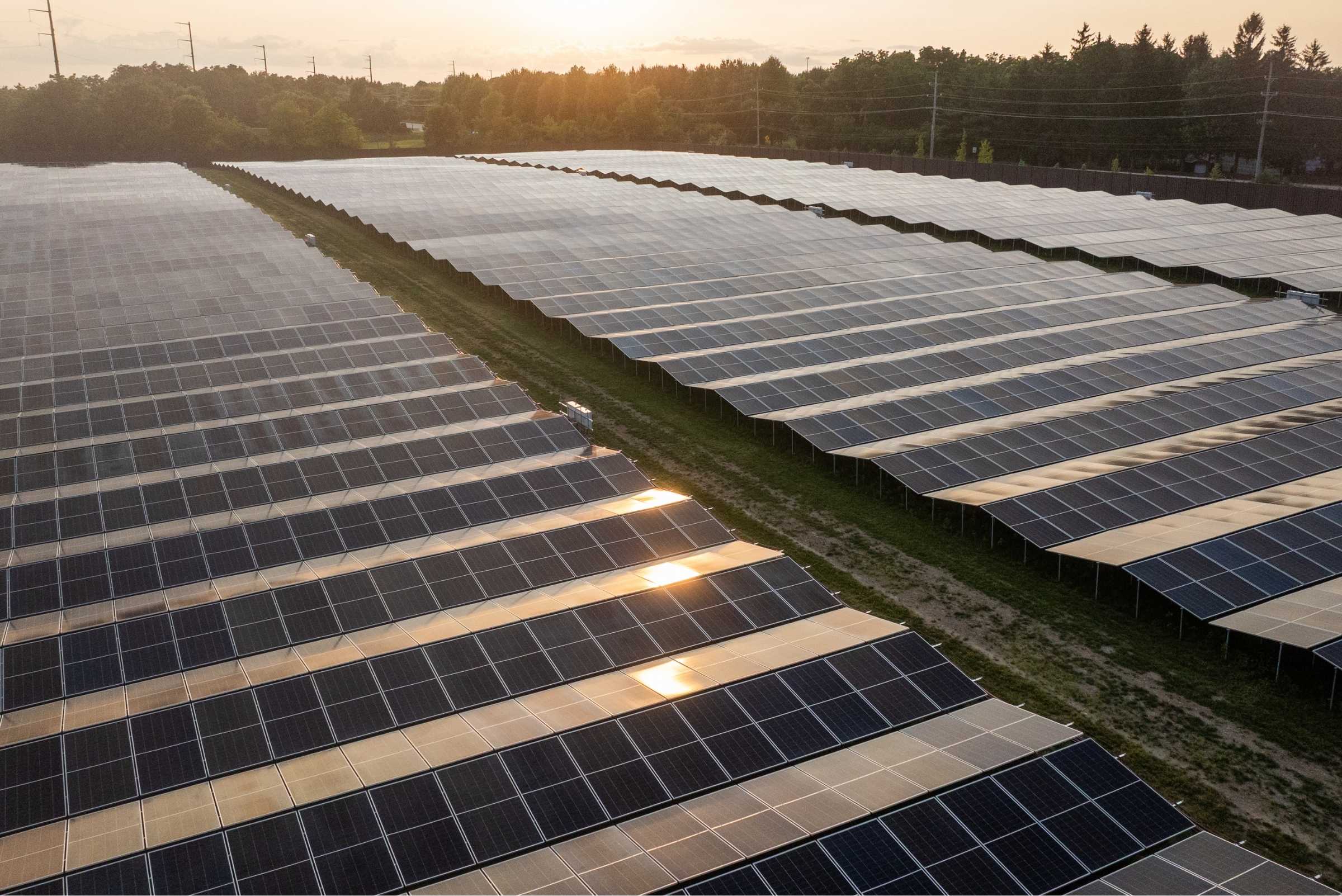
On September 15, Planted announced the successful closing of a $31.8 million funding round led by Piva Capital and RA Capital Management Planetary Health. Other notable investors include Breakthrough Energy Ventures, Gigascale Capital, Google, and Khosla Ventures. This funding is earmarked for expanding Planted's robotic fleet and launching its next-generation robot, Sage, to meet the surging demand for solar deployment. In 2022, the world saw a record installation of 664 GW of solar photovoltaic power, yet experts emphasize that terawatts of new capacity are necessary to fulfill future energy requirements. Planted's innovative approach integrates planning software, high-density solar arrays, storage, and field robotics, enabling it to construct solar projects on challenging terrains and deliver twice the energy per acre compared to traditional methods.
Planted's recent projects underscore its capability to expedite the construction process. The company completed a 28-MW project for a neocloud data center in just 10 months, with field construction wrapping up in under three months. Its Bowes Solar project in Illinois, developed for Cultivate Power, and the upcoming Armoracia project for Aligned Climate Capital illustrate Planted's ability to adapt and optimize project design to meet local regulatory demands.
What This Means for Your Business
For businesses in the Architecture, Engineering, Construction, and Manufacturing (AECM) sectors, Planted's advancements signify a transformative shift in solar project delivery. By automating solar deployment, Planted addresses critical bottlenecks such as land, steel, and labor constraints, offering a more capital-efficient solution. This model not only accelerates project timelines but also enhances ROI by reducing the footprint and cost of solar installations. Companies engaged in federal and state-level renewable energy projects should consider integrating similar technologies to remain competitive and align with sustainability goals.
Moreover, the increasing demand for solar power presents lucrative opportunities for government contractors and procurement directors to secure contracts in the renewable energy sector. Planted's approach also aligns with compliance requirements under evolving federal mandates for sustainable practices, presenting a strategic advantage for businesses aiming to meet these standards.
What US Operators Should Watch
US operators should keep an eye on Planted's rollout of its Sage robot later this year, which could set new benchmarks for project efficiency. Additionally, with the company on track to deploy 100 MW in 2026, executives should monitor Planted's project pipeline, which exceeds 20 GW, for potential partnership or investment opportunities. As federal and state incentives for renewable energy continue to evolve, staying informed about funding windows and regulatory changes will be crucial for capitalizing on this growth sector.
Source: [Power Magazine]. Read the original story ->
Is your firm ready for what’s next?
VisioneerIT helps AECM and government contractors modernize operations, achieve compliance, and implement AI.
Explore VisioneerIT Solutions →