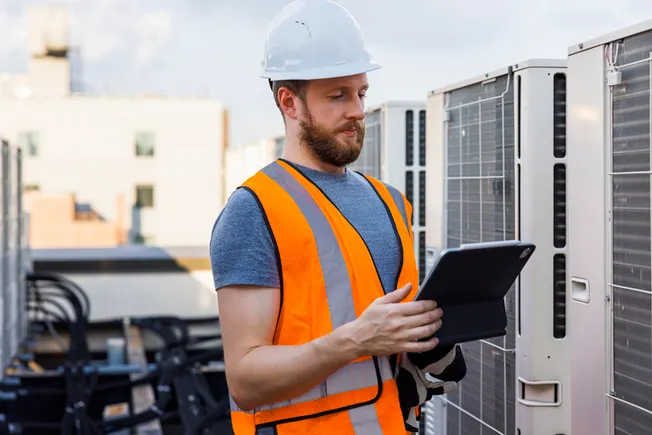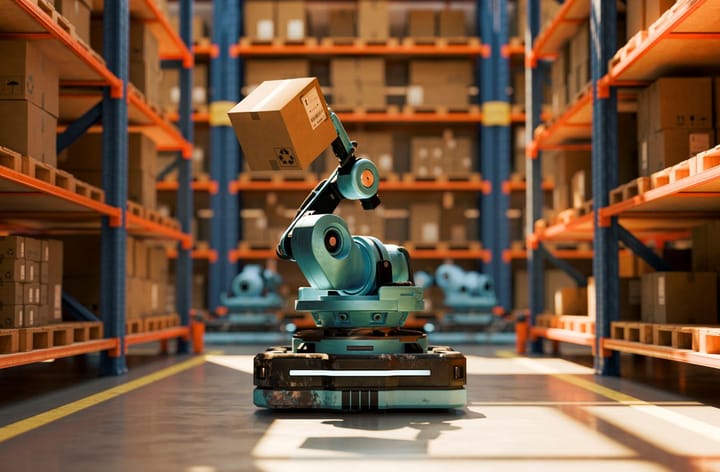
Physical AI is rapidly advancing beyond the realm of traditional robotics, offering significant potential to revolutionize enterprise operations. As US businesses face mounting pressure to integrate and scale these systems effectively, understanding the transformative impact of Physical AI becomes crucial for AECM leaders.
What Happened
Physical AI, which integrates artificial intelligence with physical systems, is being deployed across various industries to perform complex tasks traditionally managed by humans. Unlike conventional robotics, Physical AI systems can learn and adapt to changing environments, offering enhanced automation capabilities. However, enterprises are encountering substantial hurdles in integrating these systems into existing workflows and scaling them across operations. These challenges include high initial costs, technical complexities, and the need for substantial workforce training.
What This Means for Your Business
For AECM professionals, the rise of Physical AI presents both opportunities and challenges. On one hand, these systems promise to improve efficiency, reduce labor costs, and enhance precision in construction and manufacturing processes. On the other hand, the integration of Physical AI requires significant investments in infrastructure and training. Compliance with emerging standards, such as the Cybersecurity Maturity Model Certification (CMMC) and adherence to NIST guidelines, will be essential to secure federal contracts and ensure data protection. As federal funding becomes available for AI-driven projects, businesses that can quickly adapt to these technologies will gain a competitive edge.
What US Operators Should Watch
Industry leaders should monitor federal initiatives aimed at supporting AI integration, such as grants and tax incentives. Staying informed about procurement windows for AI-related projects can provide strategic advantages. Additionally, keeping track of evolving compliance requirements and scheduled CMMC audits will be crucial for maintaining eligibility for government contracts. As AI technology continues to evolve, US operators must remain agile to leverage new opportunities and mitigate risks.
Source: https://aibusiness.com/automation/physical-ai-moves-beyond-traditional-robotics. Read the original story ->
Partner Insight · VisioneerIT
The integration of Physical AI can significantly enhance operational efficiency and reduce costs in various sectors, including AECM. VisioneerIT specializes in modernizing systems to support such transformative technologies, ensuring businesses can scale effectively.
Explore VisioneerIT Cybersecurity →
Is your firm ready for what’s next?
VisioneerIT helps AECM and government contractors modernize operations, achieve compliance, and implement AI.
Explore VisioneerIT Solutions →