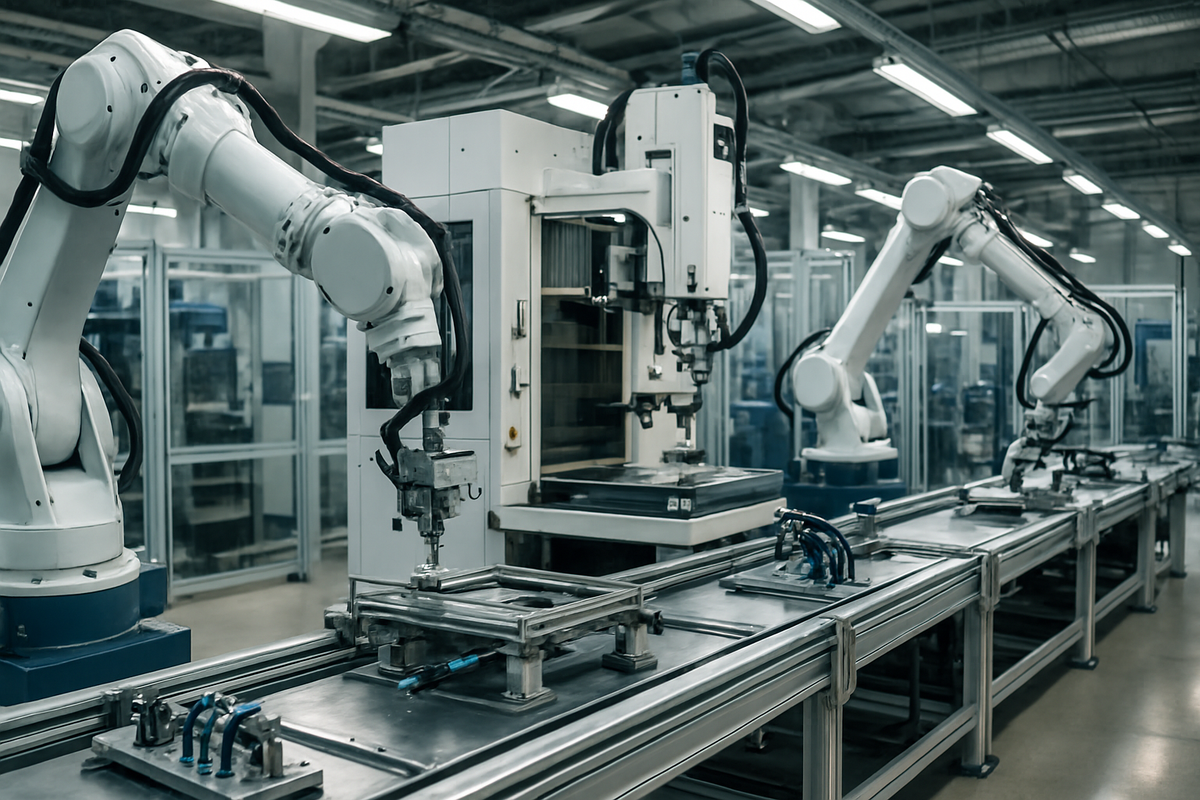
Procter & Gamble (P&G) is advancing its Supply Chain 3.0 initiative by deploying automation technologies across its global network of warehouses and manufacturing plants. This large-scale rollout is set to enhance productivity and efficiency, a critical move amidst increasing demands for supply chain resilience and agility.
What Happened
P&G has announced the expansion of its Supply Chain 3.0 initiative, emphasizing the integration of automation technologies in its operations worldwide. This strategic move is designed to streamline processes and improve productivity across the company's supply chain. As a leading consumer packaged goods (CPG) manufacturer, P&G's decision underscores a significant shift towards leveraging technology to address the complexities of global supply chains. The company's focus on automation aims to reduce manual processes in warehouses and manufacturing sites, thereby enhancing operational efficiency and reducing potential errors.
Why It Matters for the AECM Industry
For professionals in the architecture, engineering, construction, and manufacturing (AECM) sectors, P&G's initiative highlights a growing trend towards automation and digital transformation. As global supply chains face unprecedented challenges, the adoption of advanced technologies becomes essential. Automation not only promises to cut costs but also optimizes labor allocation, reduces risks associated with human error, and enhances overall supply chain resilience. The construction and manufacturing industries, in particular, can draw lessons from P&G's approach to integrating automation, potentially applying similar strategies to improve project timelines and resource management. Furthermore, the move aligns with broader industry trends towards sustainability and efficiency, as automated systems often lead to reduced waste and energy consumption.
What's Next
As P&G continues its rollout of Supply Chain 3.0, industry observers will be keenly watching for measurable outcomes in terms of productivity gains and cost reductions. The success of this initiative could set a precedent for other major players in the CPG and manufacturing sectors to follow suit. AECM professionals should monitor developments and consider how similar technologies could be adapted to their specific needs. Additionally, ongoing advancements in automation and AI-driven solutions will likely drive further innovations and best practices in supply chain management.
Is your firm ready for what’s next?
VisioneerIT helps AECM and government contractors modernize operations, achieve compliance, and implement AI.
Explore VisioneerIT Solutions →