PepsiCo is making significant strides in modernizing its supply chain with the expansion of autonomous truck usage. This move comes through a multiyear partnership with Gatik, a leader in autonomous middle-mile logistics. For AECM professionals, the implications are vast, signaling transformative changes in logistics and supply chain management.
What Happened
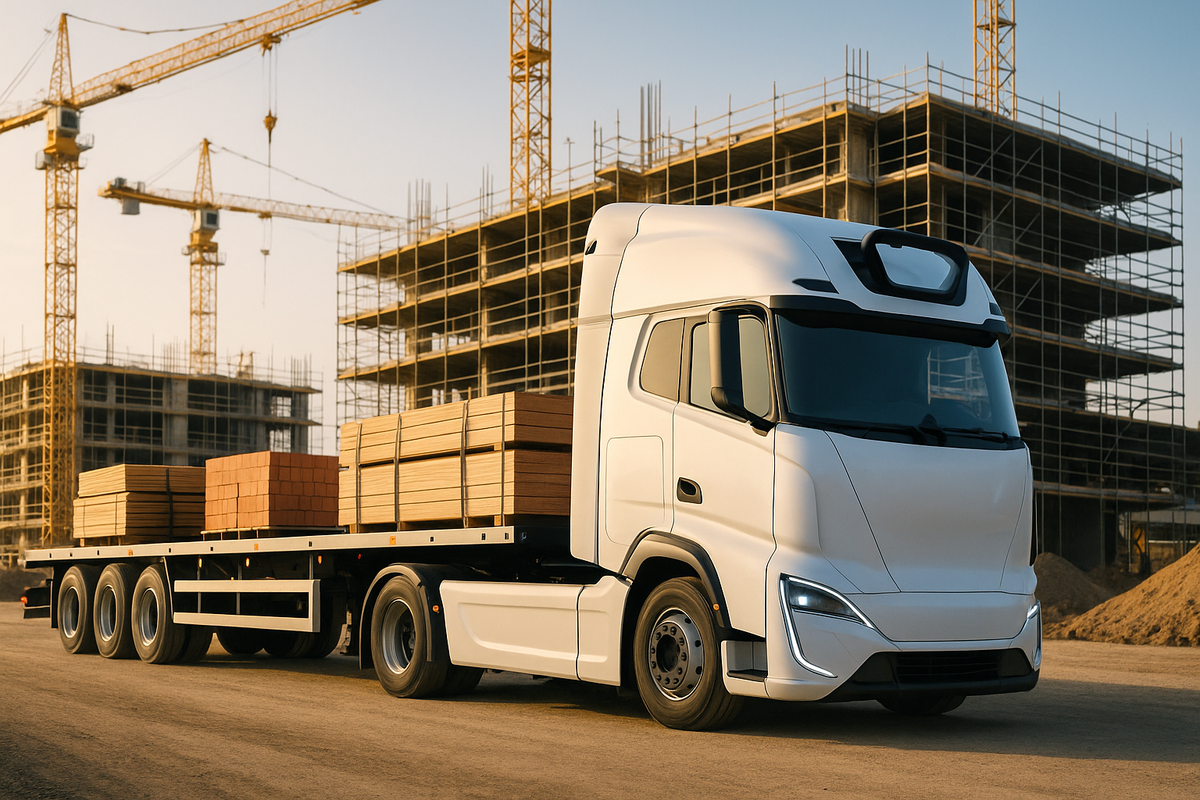
PepsiCo has announced a strategic expansion of its autonomous vehicle fleet by deepening its partnership with Gatik. This collaboration aims to address logistical challenges in areas that are traditionally hard to staff. By integrating autonomous trucks, PepsiCo seeks to enhance capacity and reliability within its transportation network. The focus is on the middle-mile segment, which links distribution centers to retail locations or other distribution nodes. This initiative leverages Gatik's autonomous technology to optimize efficiency and mitigate labor shortages that have plagued the logistics sector.
PepsiCo's decision to scale up its autonomous truck operations reflects a broader trend in the manufacturing and supply chain industries toward automation. The partnership with Gatik is expected to not only streamline operations but also reduce costs associated with human drivers and improve delivery times. This move aligns with PepsiCo's long-term goals of sustainability and innovation, as autonomous vehicles can potentially lower carbon emissions through optimized routing and reduced idling.
What This Means for Your Business
For businesses in the AECM sector, especially those involved in supply chain logistics and infrastructure, this development presents both opportunities and challenges. The adoption of autonomous vehicles by a major player like PepsiCo could signal a shift in industry standards, prompting a reevaluation of current logistics strategies. Companies that adapt to these changes may find new opportunities in designing and managing autonomous-friendly infrastructure.
Compliance and regulatory requirements will also evolve as autonomous technology becomes more prevalent. Businesses must stay informed about updates to policies such as the Cybersecurity Maturity Model Certification (CMMC) and NIST standards, particularly as they apply to data security and the integration of AI technologies in logistics.
For contractors and suppliers, this shift could mean preparing for increased demand in technology upgrades and maintenance services. The potential for reduced operational costs and increased delivery efficiency offers a compelling ROI for those investing in autonomous systems.
What US Operators Should Watch
Operators should closely monitor federal and state-level regulatory developments concerning autonomous vehicles. As legis
Is your firm ready for what’s next?
VisioneerIT helps AECM and government contractors modernize operations, achieve compliance, and implement AI.
Explore VisioneerIT Solutions →Tracking the right federal opportunities?
OryonIQ's AI platform monitors agency forecasts, contract awards, and procurement timelines — so government contractors always know what’s coming next.
Try OryonIQ Free →