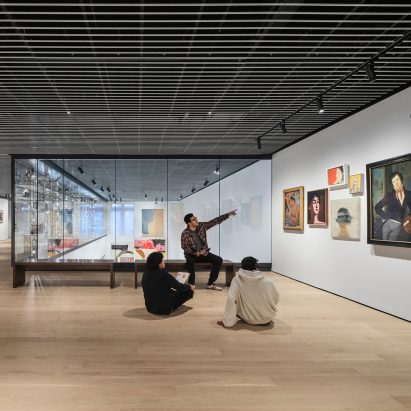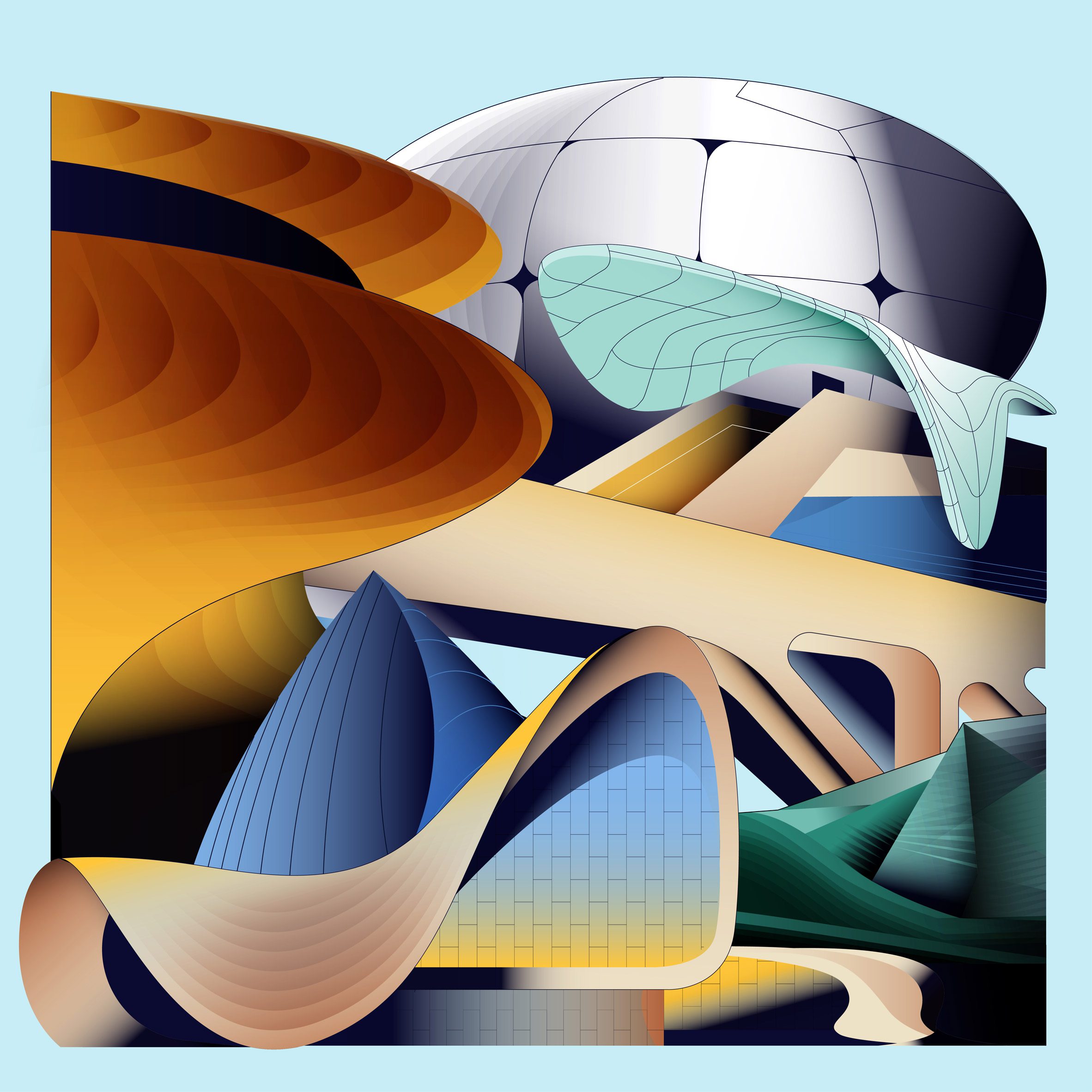
Dezeen has launched a comprehensive series on parametricism, a burgeoning architectural style that may define the 21st century. Spearheaded by renowned architectural writer Owen Hopkins, the series delves into the complexities of parametricism, described as "the architecture of liberalism itself." Patrik Schumacher, who coined the term, expressed dissatisfaction with the pace of its adoption, highlighting the ongoing debate about its role in contemporary architecture.
What Happened
Recently, Dezeen introduced its audience to parametricism, a transformative architectural theory gaining momentum in modern design. The series, featuring insights from industry experts like Patrik Schumacher, aims to demystify this complex style. Schumacher's interview reveals his concerns about the slow integration of parametricism in mainstream architecture. The series also includes a straightforward guide to understanding the intricate concepts that underpin this style, which prioritizes algorithmic processes and digital tools to create fluid, adaptable designs.
Why It Matters for the AECM Industry
Parametricism represents a significant shift in architectural design, offering new opportunities and challenges for the AECM industry. Its reliance on advanced computational methods and digital fabrication techniques could revolutionize how projects are conceived and executed. This approach allows for greater customization, efficiency, and sustainability, potentially reducing material waste and construction time. As parametricism becomes more prevalent, industry professionals must adapt to new technologies and methodologies, influencing project management, design processes, and competitive dynamics. The adoption of parametricism could also impact regulatory standards and codes, requiring updates to accommodate innovative designs and construction techniques.
What's Next
As the series on parametricism unfolds, industry professionals should stay informed about upcoming discussions and analyses that may influence design practices and project execution. Key topics to watch include advancements in algorithmic design tools, the integration of parametricism in urban planning, and potential shifts in architectural education to incorporate this style. Industry stakeholders should also monitor policy developments that may arise as parametricism challenges traditional building codes and standards.
Is your firm ready for what’s next?
VisioneerIT helps AECM and government contractors modernize operations, achieve compliance, and implement AI.
Explore VisioneerIT Solutions →