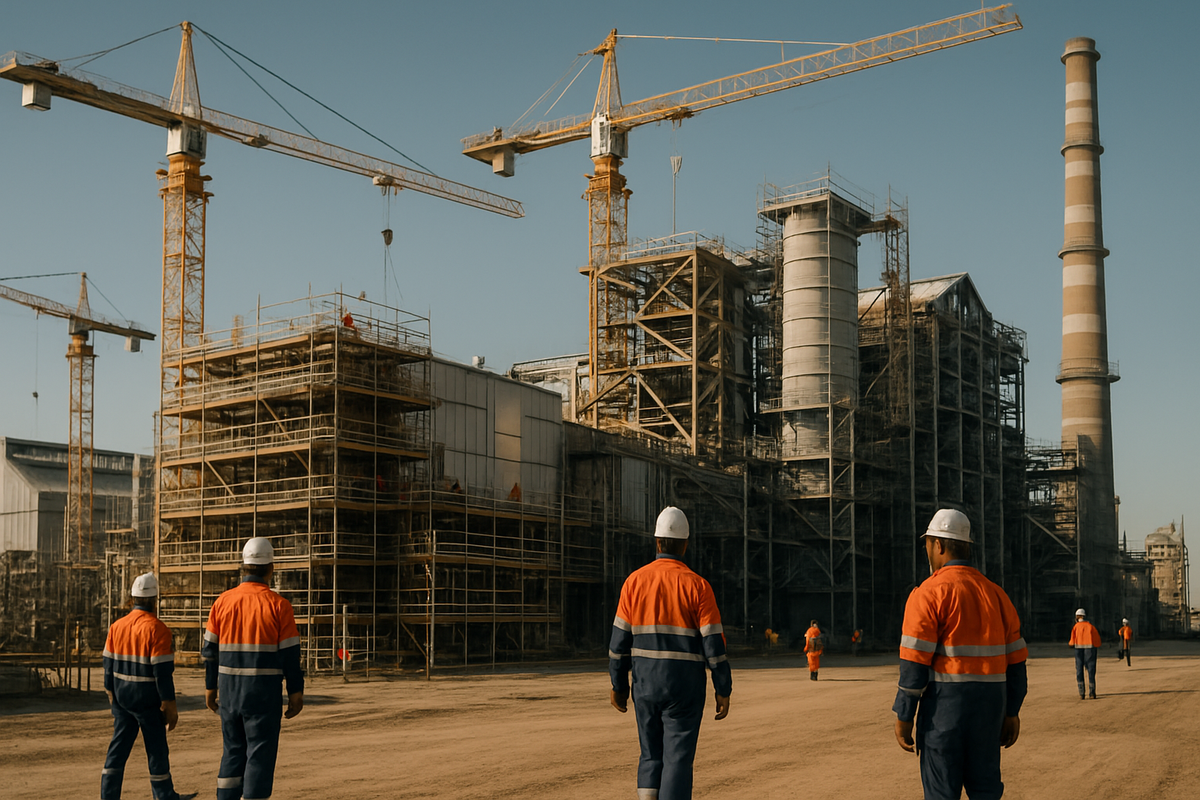
Oklahoma Attorney General Gentner Drummond has filed a petition to halt the construction of the first U.S. aluminum smelter in half a century, citing environmental and national security concerns. This development puts a temporary stop to a $2 billion joint venture between EGA and Century Aluminum in Inola, Oklahoma.
What Happened
The proposed aluminum smelter facility, which has secured hundreds of millions in state and federal funding, aims to increase U.S. aluminum production by over 750,000 metric tons annually. The project is a collaborative effort between Emirates Global Aluminium (EGA) and Century Aluminum Company, marking a significant milestone in domestic manufacturing capabilities. However, the Oklahoma Attorney General's petition highlights potential environmental risks and national security implications, prompting a reevaluation of the project's future.
The planned facility in Inola, Oklahoma, is poised to boost local employment and contribute to the national economy by reducing reliance on foreign aluminum imports. The project's suspension follows concerns that the smelter's operations could pose significant environmental threats, including emissions and waste management challenges. Additionally, national security concerns revolve around the involvement of foreign entities in a critical infrastructure project.
What This Means for Your Business
For AECM and government contracting professionals, the suspension of the Inola smelter project underscores the importance of rigorous compliance with environmental regulations and national security protocols. Companies involved in similar large-scale infrastructure projects must ensure adherence to federal guidelines and consider potential geopolitical implications.
The halting of this project could delay the anticipated boost in domestic aluminum supply, affecting procurement strategies and pricing models for U.S. manufacturers. Businesses should reassess their supply chain strategies to mitigate risks related to potential project delays and increased regulatory scrutiny. Furthermore, companies engaged in federal contracts need to be vigilant about compliance with evolving standards such as CMMC and NIST to maintain competitive advantage and secure future opportunities.
What US Operators Should Watch
U.S. operators should closely monitor any legal proceedings related to the Inola project and track updates on environmental assessments and national security evaluations. Key deadlines for compliance with federal regulations, including CMMC and relevant environmental standards, are crucial for maintaining eligibility for future government contracts. Additionally, stakeholders should remain informed about potential changes to procurement windows and funding opportunities as the situation evolves.
Is your firm ready for what’s next?
VisioneerIT helps AECM and government contractors modernize operations, achieve compliance, and implement AI.
Explore VisioneerIT Solutions →