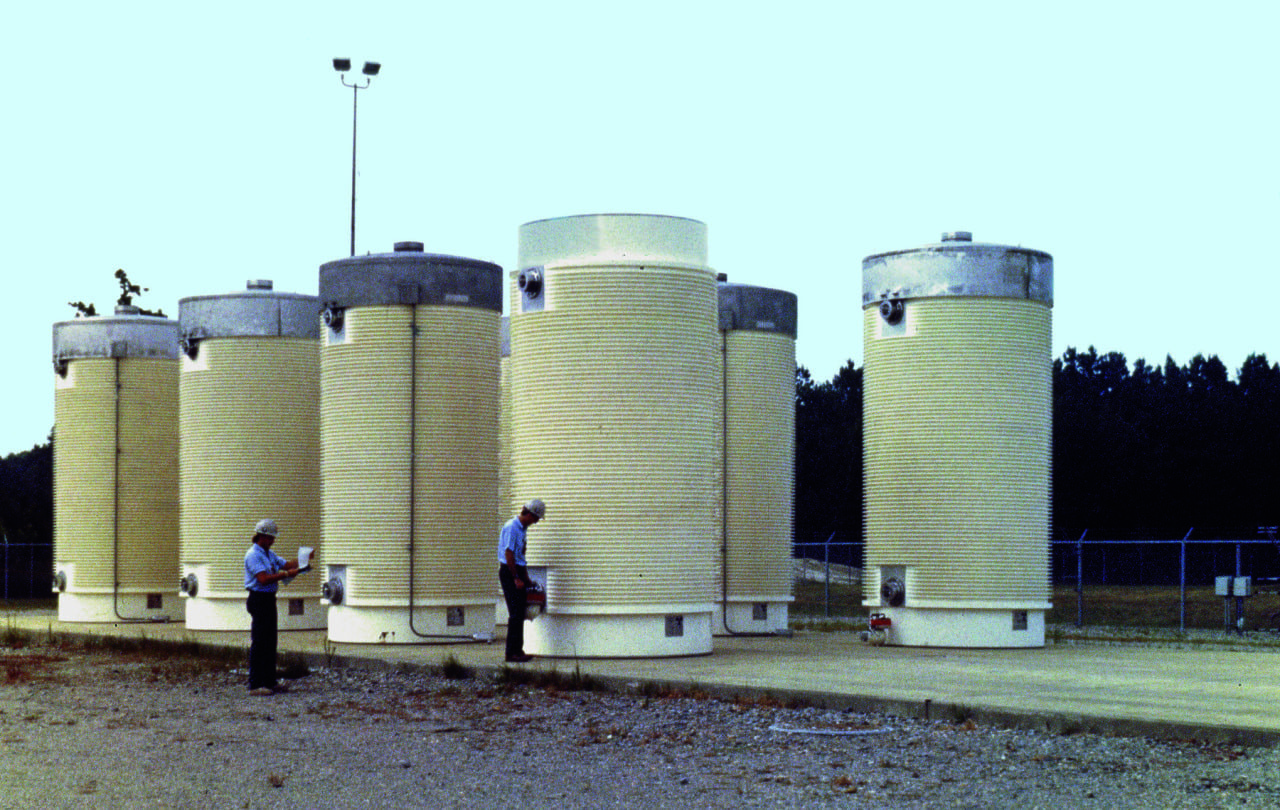
The Nuclear Regulatory Commission (NRC) has unveiled a substantial proposal to modernize the materials-licensing framework for advanced nuclear fuel infrastructure, aiming to streamline and update regulatory processes. This initiative is crucial as the U.S. seeks to regain leadership in nuclear energy technology.
What Happened
The NRC released a proposal on June 18, 2023, to revise several regulatory processes related to nuclear fuel infrastructure. This proposed rule, termed "Modernizing Materials Licensing," seeks to amend 10 CFR Parts 30, 37, 40, 51, 70, 72, and 140. It aims to simplify licensing for existing and new applicants, eliminate redundant regulations, and update storage rules for advanced nuclear fuels. This effort follows Executive Order 14300 from the Trump administration, which directed a review and revision of regulatory guidance. Additionally, the proposal aligns with the ADVANCE Act, which mandates more predictable and efficient nuclear licensing.
The changes are particularly significant for advanced reactor developers, as they address a critical licensing gap between DOE-authorized demonstration work and future NRC commercial oversight. Under the proposal, DOE-authorized pilot fuel lines would be exempt from NRC licensing requirements for non-commercial purposes, allowing the NRC to focus on bridging any regulatory gaps for commercial applications.
Moreover, the proposal clarifies the licensing framework for spent fuel reprocessing facilities under Part 70. This could provide applicants an alternative to the existing Part 50 two-step process, potentially accelerating the deployment of reprocessing capabilities in the U.S.
What This Means for Your Business
For businesses in the AECM sector, particularly those involved in advanced nuclear technologies, the NRC's proposal could simplify the path to obtaining necessary licenses, reducing time and cost. The streamlined regulatory process could enhance competitive positioning by accelerating project timelines and reducing regulatory burdens. Companies should evaluate how the proposed changes might impact ongoing and future projects, especially those involving advanced nuclear fuels and reprocessing facilities. Additionally, understanding compliance requirements under revised NRC licensing will be critical to leveraging these regulatory changes effectively.
What US Operators Should Watch
Businesses should closely monitor the progression of this proposal through the regulatory process. Key dates, such as public comment periods and final rule adoption, will be crucial. Understanding the timelines for NRC's review and potential implementation of the new rules will help operators strategically plan their compliance and project development efforts. Additionally, staying informed about any related updates to the CMMC, NIST standards, or Zero Trust frameworks will be essential for maintaining compliance in the evolving regulatory landscape.
Source: Power Magazine. Read the original story ->
Is your firm ready for what’s next?
VisioneerIT helps AECM and government contractors modernize operations, achieve compliance, and implement AI.
Explore VisioneerIT Solutions →Tracking the right federal opportunities?
OryonIQ's AI platform monitors agency forecasts, contract awards, and procurement timelines — so government contractors always know what’s coming next.
Try OryonIQ Free →

