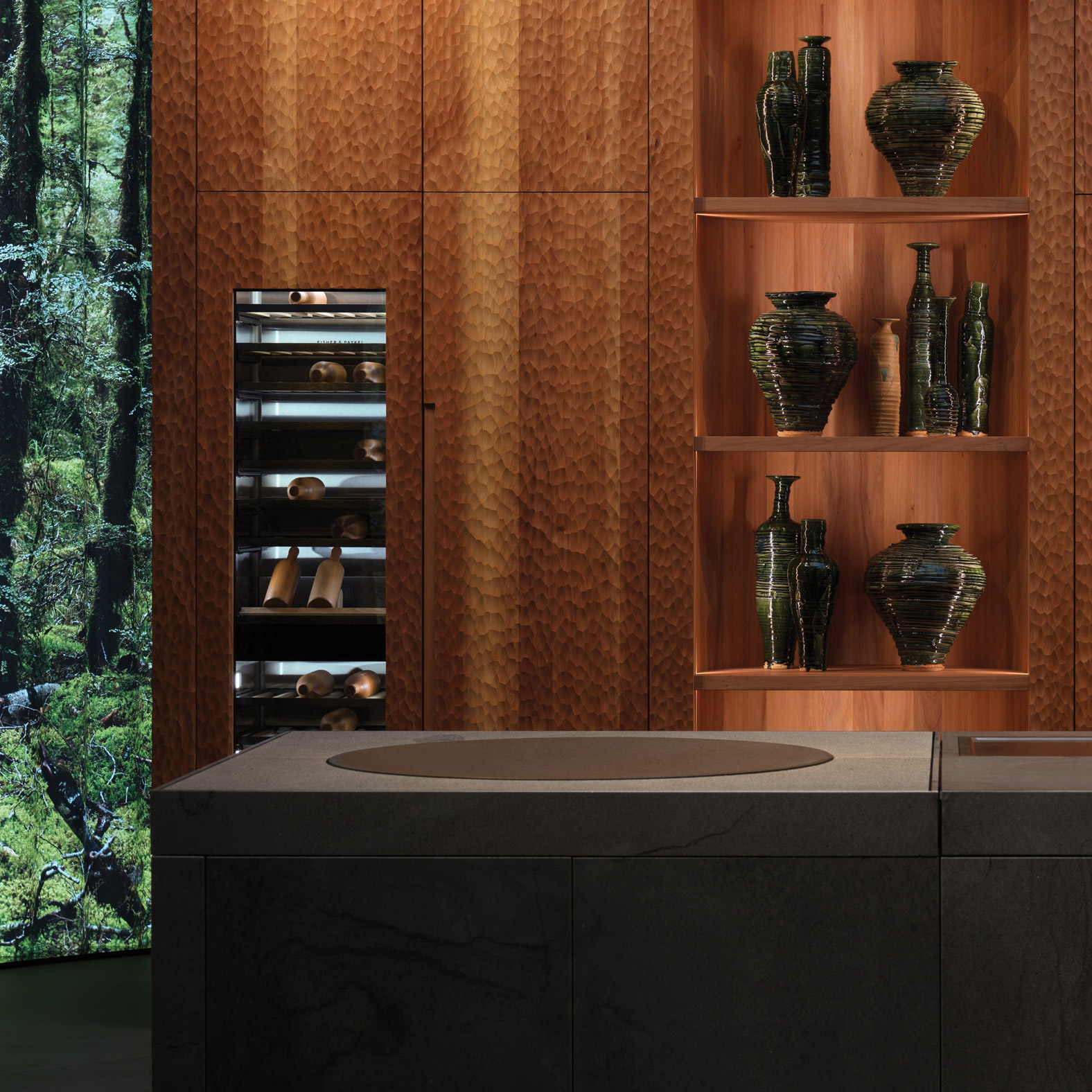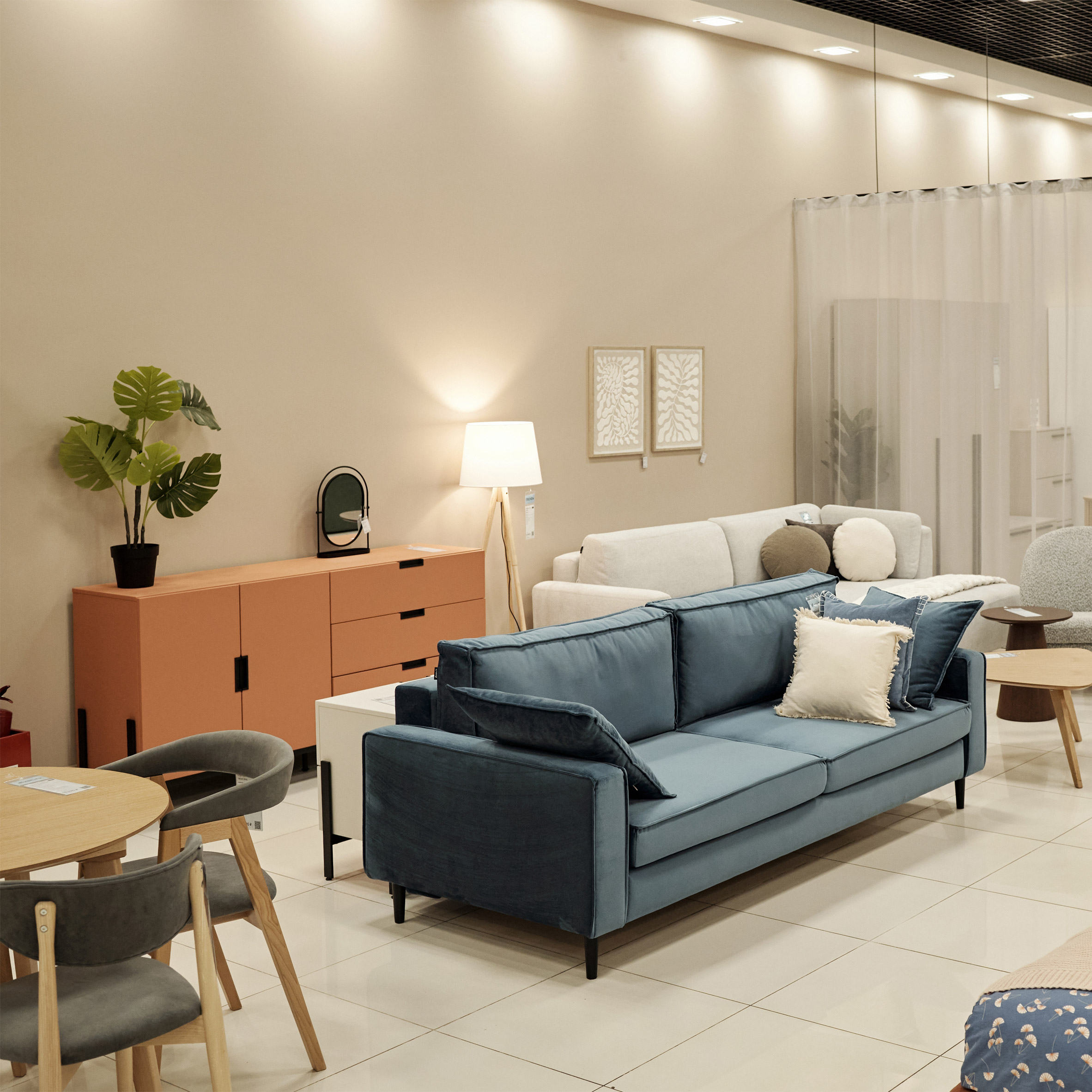
Lazy attempts to market interior design products as neurodiverse-friendly are increasingly common, raising questions about the sincerity of these claims. As awareness around neurodiversity grows, with 15-20% of the global population exhibiting traits of ADHD, autism, and dyslexia, the architecture and construction sectors are under pressure to adapt. However, recent trends suggest that some manufacturers may be exploiting this awareness for commercial gain rather than genuine inclusivity.
What Happened
Neurodiverse design aims to create spaces that accommodate individuals who interpret and experience environments differently. This concept has gained momentum, with a surge in industry events and product launches touting their sensitivity to neurodiverse needs. However, Ellie Foster's recent opinion piece on Dezeen highlights a troubling trend: many of these initiatives seem to prioritize marketing over meaningful impact. Manufacturers often highlight features like color options for task chairs as evidence of their commitment to inclusivity, but the authenticity of these claims is questionable.
What This Means for Your Business
For architecture and construction professionals, distinguishing between genuine innovation and superficial marketing is crucial. Companies that can demonstrate a real commitment to neurodiverse design may unlock new opportunities in both government and private sectors, where inclusivity is increasingly valued. However, businesses should be wary of "neurodiverse-washing"—akin to the greenwashing seen in sustainability efforts. Ensuring that products and spaces truly meet the needs of neurodiverse users involves more than just superficial changes; it requires a deep understanding of diverse sensory experiences and functional needs.
What US Operators Should Watch
US operators should pay close attention to the evolving regulations and standards related to neurodiverse design. As awareness and demand grow, federal guidelines could emerge, shaping procurement criteria and compliance requirements. Staying informed about these developments will be critical for maintaining competitive positioning and securing contracts. Additionally, operators should prepare for potential audits or certifications that could verify the authenticity of their neurodiverse design claims.
Source: https://www.dezeen.com/2026/09/21/neurodiverse-design-ellie-foster-opinion/
Is your firm ready for what’s next?
VisioneerIT helps AECM and government contractors modernize operations, achieve compliance, and implement AI.
Explore VisioneerIT Solutions →