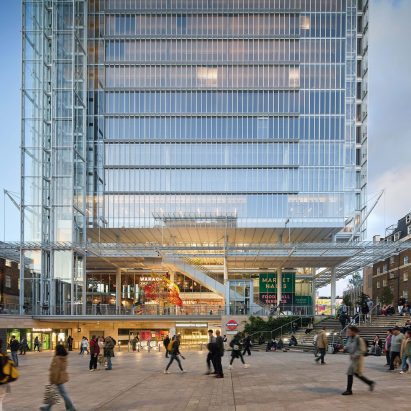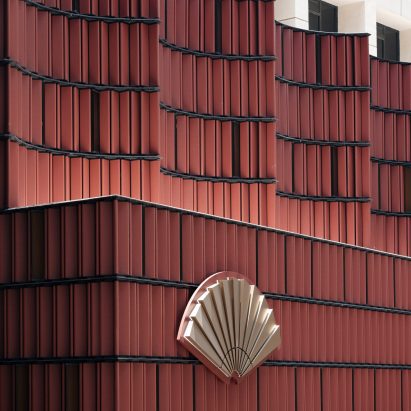
Architecture studio Neri&Hu has redefined the facade of the Mandarin Oriental The Landmark in Hong Kong, infusing it with a distinctive urban tapestry design composed of staggered terracotta tiles. This renovation, located on the bustling Queen's Road in the Central district, represents a significant architectural advancement in hospitality design, positioning the hotel as a landmark of modern aesthetics and cultural symbolism.
What Happened
Neri&Hu, renowned for their innovative approaches to architecture and design, undertook the task of transforming the facade of the Mandarin Oriental The Landmark, a prominent hotel in Hong Kong. The design employs a series of staggered terracotta tiles, carefully arranged to mimic the appearance of a woven tapestry. This architectural endeavor not only enhances the visual appeal of the structure but also integrates seamlessly with the surrounding urban environment. The renovation is part of a larger refurbishment project by Joyce Wang Studio, which aims to rejuvenate the hotel's interior spaces.
What This Means for Your Business
For AECM professionals, this project underscores the growing trend of incorporating cultural and artistic elements into architectural designs, particularly in high-profile urban projects. The use of terracotta tiles, a sustainable and versatile material, highlights a shift towards environmentally friendly construction practices. This project may inspire similar endeavors in urban centers across the United States, where there is a burgeoning demand for buildings that blend aesthetic appeal with sustainable design. For contractors and developers, adopting such innovative materials and design philosophies could enhance competitive positioning and potentially lead to lucrative contracts in both the commercial and hospitality sectors.
What US Operators Should Watch
As the demand for unique and sustainable architectural designs increases, US operators should stay informed about emerging trends and materials, such as terracotta, which are gaining popularity for their durability and aesthetic flexibility. Additionally, keeping an eye on global architectural innovations can provide valuable insights for domestic projects. Watching the timelines and results of such international renovations could inform strategies for upcoming bids and design proposals, particularly in metropolitan areas seeking to revitalize aging structures with modern facades.
Source: Dezeen. Read the original story ->
Is your firm ready for what’s next?
VisioneerIT helps AECM and government contractors modernize operations, achieve compliance, and implement AI.
Explore VisioneerIT Solutions →