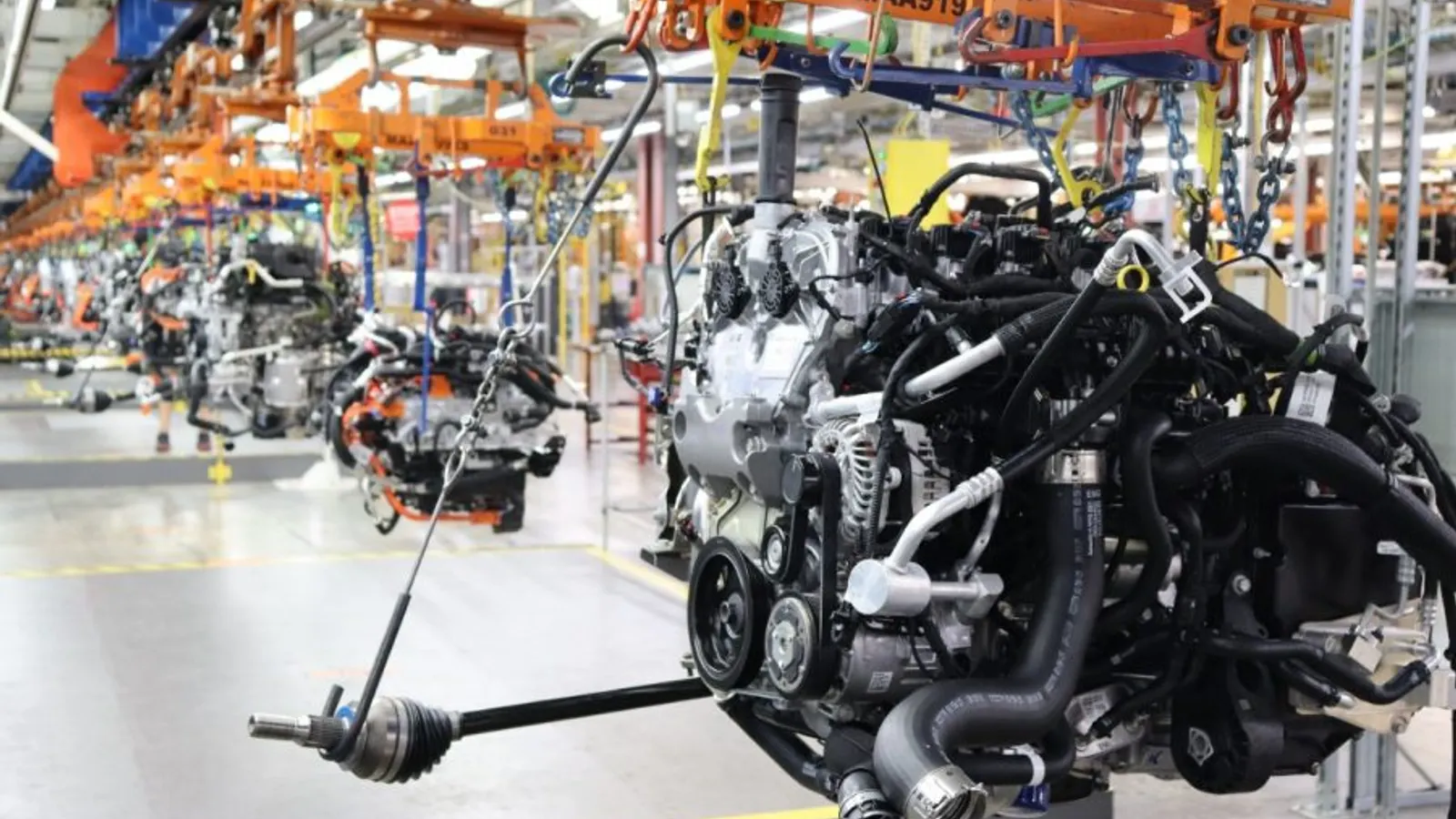
As the 2027 Department of Energy efficiency standards approach, the focus on motor performance within pump systems is intensifying across the AECM industry. This shift is reshaping priorities for engineers and facility managers who must navigate the evolving landscape of regulatory and economic pressures to maintain competitiveness.
What Happened
Motor-driven systems, which account for a significant portion of industrial electricity consumption in the United States, are under scrutiny as new efficiency standards loom. The Department of Energy's 2027 motor efficiency regulations demand that businesses evaluate and enhance the performance of motors within pump systems to control operating costs and sustain reliability. The efficiency of these systems is influenced by several factors, including motor selection, load profile, and control strategy. As production rates and process requirements evolve, the alignment of motors to pumps becomes crucial. Changes in demand and aging equipment can lead to inefficiencies, even if the system continues to meet process needs.
The article by Courtney Pickett in Plant Engineering highlights the importance of evaluating motor performance in the context of the entire pump system. It underlines how even minor mismatches in motor-to-pump alignment can lead to increased energy consumption and reliability losses. The concept of motor efficiency is not static; it evolves with technological advances such as variable speed control and predictive maintenance, which promise sustained efficiency and reduced operating costs.
What This Means for Your Business
For businesses in the AECM sector, the forthcoming 2027 standards necessitate a proactive approach to motor performance evaluation and system design. Companies must consider the capital planning implications and life cycle costs associated with upgrading or replacing motors to meet the new requirements. Understanding the nuanced relationship between motor performance and pump system efficiency is vital for managing energy costs and maintaining compliance.
Adopting advanced technologies like variable speed drives and predictive maintenance can enhance system visibility and performance. These tools help optimize motor operation, ensuring that systems remain efficient even as operational demands fluctuate. For government contractors and businesses involved in manufacturing and construction, aligning with these standards offers a competitive edge by reducing energy consumption, improving reliability, and potentially lowering operational costs.
What US Operators Should Watch
As the 2027 deadline approaches, operators should track updates on efficiency standards and prepare for potential audits or compliance checks. It's imperative to evaluate current motor systems and consider upgrades that align with the new regulations. The implementation of variable speed control and predictive maintenance technologies should be prioritized to enhance efficiency and reliability.
Operators must also be vigilant about procurement opportunities for high-efficiency motors and related technologies. Staying informed about regulatory changes and technological advancements will be crucial for maintaining a competitive position in the industry.
---
Source: Plant Engineering. Read the original story ->
Is your firm ready for what’s next?
VisioneerIT helps AECM and government contractors modernize operations, achieve compliance, and implement AI.
Explore VisioneerIT Solutions →Tracking the right federal opportunities?
OryonIQ's AI platform monitors agency forecasts, contract awards, and procurement timelines — so government contractors always know what’s coming next.
Try OryonIQ Free →