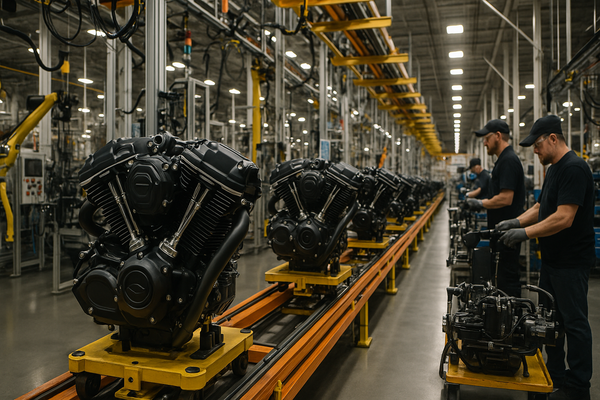
Manufacturing plants are at a crossroads. The traditional approach to Environmental, Health, and Safety (EHS) operations, long focused on compliance and incident response, is no longer sufficient in today's rapidly evolving industrial landscape. With geopolitical disruptions, environmental pressures, and interconnected operations becoming the norm, manufacturers must adopt a more integrated and responsive EHS strategy to remain resilient and competitive.
What Happened
Manufacturers are increasingly recognizing the need to transform their EHS operations from a compliance-focused function into a strategic capability that enhances operational resilience. This shift is driven by the growing complexity and unpredictability of operational risks. Traditional EHS models, which were primarily designed for documentation and regulatory compliance, are struggling to cope with the demands of modern manufacturing environments.
Recent incidents, such as attacks on critical infrastructure in the Middle East, have underscored the vulnerabilities of outdated EHS systems. These events highlighted how quickly external disruptions can cascade into operational and safety challenges across multiple sites. In response, forward-thinking organizations are reimagining their EHS operations to include real-time visibility, connected safety workflows, and integrated risk management.
What This Means for Your Business
For AECM professionals and decision-makers, the modernization of EHS operations presents both a challenge and an opportunity. Embracing connected, mobile-first EHS systems can significantly enhance a plant's ability to respond to disruptions with speed and coordination. Such systems provide real-time field visibility, improve audit readiness, and enable more adaptive plant operations. By integrating EHS with maintenance, asset management, and environmental monitoring, manufacturers can protect continuity and safeguard their investments against emerging risks.
Moreover, modern EHS platforms support compliance with evolving regulatory requirements, such as the Cybersecurity Maturity Model Certification (CMMC) and NIST standards, which are crucial for government contracting. As federal funding opportunities increasingly prioritize resilience and sustainability, manufacturers with advanced EHS capabilities will be better positioned to secure contracts and improve their competitive standing.
What US Operators Should Watch
D
Is your firm ready for what’s next?
VisioneerIT helps AECM and government contractors modernize operations, achieve compliance, and implement AI.
Explore VisioneerIT Solutions →Tracking the right federal opportunities?
OryonIQ's AI platform monitors agency forecasts, contract awards, and procurement timelines — so government contractors always know what’s coming next.
Try OryonIQ Free →